Choose a portable HDD when the main job is keeping a large local copy of your photos; a portable SSD makes more sense if you frequently move large folders or work from the drive. A USB flash drive is better suited to a selected set of files than to a growing archive. Whichever you choose, check capacity, connections and file format, and keep another copy separately: one external device should not be your entire backup routine.
Who each option suits
Growing photo-library backup planners
If your laptop or photo collection is filling up, you need enough room for a repeatable local copy and somewhere safe to keep it between backups. The National Cyber Security Centre advises keeping copies on more than one device, including one offsite.
Frequent large-file movers
If you regularly move large photo or video folders, carry the drive between locations or work from it, transfer speed and portability matter. Check the computer port and cable before relying on an SSD’s stated maximum speed.
Small-transfer users
If you carry only selected files between compatible devices, a USB flash drive may be sufficient. Check its connector and capacity against the files you actually intend to move.
What matters when choosing
Portable HDD
Choose it when: You mainly need room for routine local copies and do not move large folders frequently.
Trade-off: An HDD is the capacity-oriented route, rather than the route to prioritise for frequent fast transfers.
Portable SSD
Choose it when: You frequently copy or work with large photo folders and want a compact drive to carry.
Trade-off: The computer port, cable and USB mode can limit the speed you actually get.
USB flash drive
Choose it when: You need to carry a limited selection of files between devices with compatible ports.
Trade-off: Check that its capacity covers the selected files; do not assume it can hold a growing archive.
| Concern | What to check | Who this matters to |
|---|
| Space for repeat backups |
Measure the folders you will copy and allow for growth and any previous versions you intend to keep. Compare that requirement with usable drive capacity. |
If I want a local copy of my whole photo library, I need space for more than today’s selected folders. Around 40% of consumers would put backup capacity first. |
| Large-file transfers |
Match the drive connector, cable and USB specification to the computer; treat an advertised MB/s figure as conditional. |
When I move large photo folders regularly, waiting for each transfer affects how I use the drive. For around 30% of consumers, transfer speed and portability would be the primary concern. |
| Selected-file convenience |
Check USB-A or USB-C fit and whether the flash drive holds the files you plan to carry. |
If I only take a small selection of photos to another compatible device, a simple connection matters more than archive space. Roughly 30% of consumers would prioritise smaller-file transfer convenience. |
Mistakes to avoid
-
Making the external drive your only copy
A lost, failed or connected drive can leave your photos at risk. The National Cyber Security Centre describes a backup approach with at least three copies on two devices, including one offsite.
Use the drive as one part of that routine, keep another copy separately and disconnect the local backup drive after use where practical.
-
Choosing an SSD by its headline speed alone
A stated maximum transfer rate depends on the connection. Samsung specifies a compatible USB 3.2 Gen 2 host and cable, with UASP enabled, for the stated maximum speeds of its T7 Shield.
Check the computer’s port, the supplied cable and any hub or adapter against the exact drive’s speed requirements.
-
Reformatting before copying existing files
Changing a drive’s format can be necessary for the devices you use, but Apple Support warns that erasing a storage device deletes its contents.
Decide which computers need access, then copy any existing files elsewhere before reformatting.
-
Assuming a flash drive will hold the whole archive
A compact drive may suit selected transfers without having enough space for a complete, growing photo collection.
Check the size of the full backup set before deciding whether a flash drive, HDD or SSD should hold that copy.
Brands to consider for these storage routes
WD
PCMag UK’s 2026 external-HDD roundup discusses WD My Passport for portable storage and WD My Book for desktop storage.
- The two lines address different HDD use cases.
- Check the capacity, connector and computer compatibility of the particular model rather than assuming the lines share specifications.
Seagate
PCMag UK’s 2026 external-HDD roundup includes a Seagate One Touch model for a bus-powered desktop-drive use case.
- It provides a model-specific HDD option to examine if that setup suits your workspace.
- Confirm the exact variant’s power arrangement, capacity, size and computer connection.
Samsung
The T7 Shield is a portable SSD option for people considering large-file transfers.
- Samsung lists sequential speeds up to 1,050 MB/s read and 1,000 MB/s write for the T7 Shield.
- Samsung says those maximum speeds require a USB 3.2 Gen 2-capable host and cable with UASP enabled. Check the exact variant’s conditions before choosing it.
Crucial
The X10 is a portable-SSD line considered in PCMag UK’s 2026 external-SSD roundup.
- The line offers another SSD route for frequent file movement.
- Crucial says compatibility can depend on the device’s formatting and host capabilities; check these for the exact X10 variant.
Kingston
The DataTraveler Exodia line is relevant to carrying selected files by USB flash drive.
- Kingston lists DataTraveler Exodia capacities up to 512GB.
- Its USB-A connection must match the intended device or be used with a suitable adapter; check whether the chosen capacity holds your files.
Joybuy products for these uses
These options span portable SSDs for regular file movement, a portable HDD for a larger local copy and a USB flash drive for selected transfers. Choose by the size of your backup set and the devices you need to connect.
 No image available
Samsung Portable SSD T7 2 TB, Grey
Consider this portable SSD if you frequently move large photo folders and 2 TB accommodates your planned copies and growth.
The product name specifies USB 3.2 Gen 2. Check your computer port and cable before choosing it for transfer speed.
View on Joybuy
 No image available
Samsung T7 Shield Portable SSD 1 TB, Blue
This portable SSD is an option for carrying photo folders if its 1 TB capacity covers the files you need to copy.
The product name specifies USB 3.2 Gen 2. Samsung says its stated maximum T7 Shield speeds depend on a compatible host, cable and USB mode.
View on Joybuy
 No image available
SanDisk Portable SSD 2TB
Consider this portable SSD for a 2TB photo and file copy if that capacity allows for your current folders and expected growth.
Check its connector and included cable against your computer before buying.
View on Joybuy
 No image available
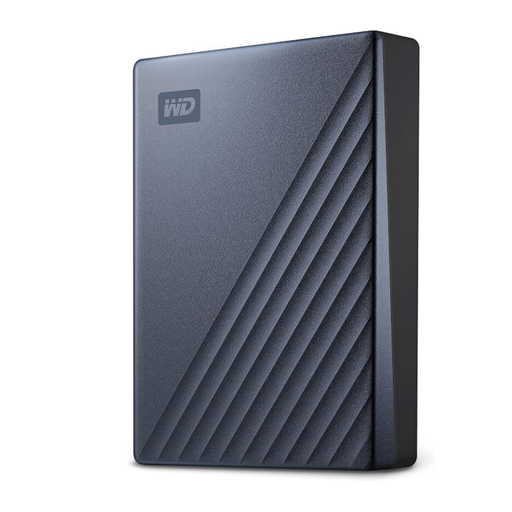
Western Digital My Passport Ultra 5TB, Blue
This portable external HDD is worth considering when a 5TB local copy fits your photo library and routine backups matter more than frequent fast transfers.
Check the connection and required file format for your computer. Copy existing files elsewhere before any reformatting, which erases the drive’s contents.
View on Joybuy
 No image available
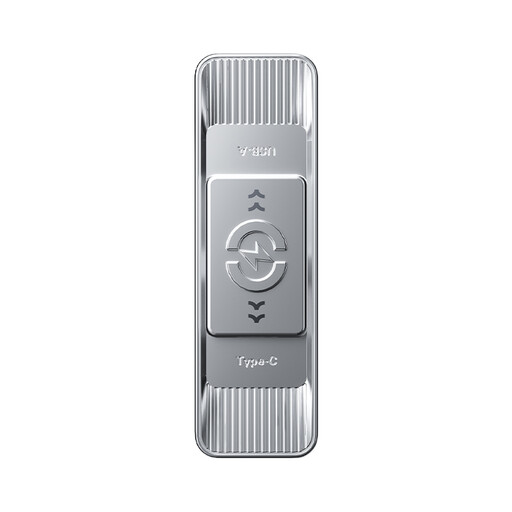
MOVESPEED YSUSP05-512GSR 512GB USB flash drive
Use this flash-drive option for a selected set of photos or files if they fit within 512GB, rather than assuming it will hold a growing archive.
The product name specifies USB-A and USB-C connectors and USB 3.2 Gen 1. Check the target device’s connection and file-format requirements.
View on Joybuy
Photo-backup questions
Which file format should I use between a Mac and a Windows computer?
ExFAT is a format to consider for a drive shared between Mac and Windows; Apple Support lists it as Windows-compatible. Check the requirements of both devices before changing formats, and copy existing files elsewhere first because reformatting erases the drive.
Why might a portable SSD copy files more slowly than its stated speed?
The connection can limit the transfer rate even when the SSD has a higher stated maximum. Crucial notes that an older USB standard limits maximum performance, while Samsung specifies a compatible USB 3.2 Gen 2 host and cable with UASP enabled for its stated T7 Shield maximum speeds.
Is one external drive enough to back up my photos?
One external drive should not be your only copy. The National Cyber Security Centre describes keeping at least three copies on two devices, including one offsite, and advises disconnecting backup media when it is not in use because connected devices can also be affected by malware.
What should I do after copying my photos to a new drive?
Open a selection of older and recent files from the copy, then repeat backups as your photo collection changes. Keep another copy separately and disconnect the local backup drive after use where practical, in line with National Cyber Security Centre guidance.


