
24/7 全天候客户支持

免费退货

当日/次日达

品质保障

开启新人专享福利: 全场免邮 | 低至 2 折 | 免费试用 30 天 JoyPlus 会员
下载 Joybuy
For any serious cyclist in the UK, managing changing light is a constant challenge. One moment you are pedalling under bright sunshine, the next you are navigating a shaded country lane or the dappled light of a forest trail. Constantly swapping lenses or squinting through glare is not just inconvenient; it can compromise your focus and safety.
This guide is designed to help you navigate the technical world of performance eyewear. We will break down the key features to look for in a quality pair of photochromic cycling sunglasses, helping you find a pair that adapts as quickly as the British weather. We will then present a few of our top recommendations for 2026, chosen for their performance, features and value.
Choosing the right sunglasses involves more than just style. For cyclists, technical specifications are paramount. Here are the key factors to consider before making a decision.
The two most important lens technologies for cyclists are photochromic and polarised. Understanding the difference is crucial.
Some advanced models now offer both technologies in a single lens, providing a comprehensive solution for both changing light and reflective glare.
When you are on the bike for hours, comfort is non-negotiable. Look for frames made from materials like TR90, a thermoplastic known for being incredibly durable, flexible and lightweight. A heavy or ill-fitting pair of glasses can cause pressure points and become a distraction.
Features like adjustable nose pads and non-slip temple tips ensure the glasses stay securely in place, even during intense efforts or on bumpy terrain. The overall weight is also a key consideration; a pair of lightweight bike glasses (typically under 35g) will feel almost unnoticeable during a long ride.
Your eyes are exposed to more than just sunlight on a ride. Dust, insects and road debris are all potential hazards. Therefore, impact resistant sunglasses are essential for both road cycling sunglasses and mountain bike glasses. Look for compliance with safety standards like ANSI Z87.1, which indicates a high level of durability.
Furthermore, full UV400 sports sunglasses are a must. This rating ensures the lenses block 100% of harmful UVA and UVB rays, protecting your eyes from long-term damage during prolonged sun exposure.
Here are a few standout options that deliver on the technical features that matter most to UK cyclists.
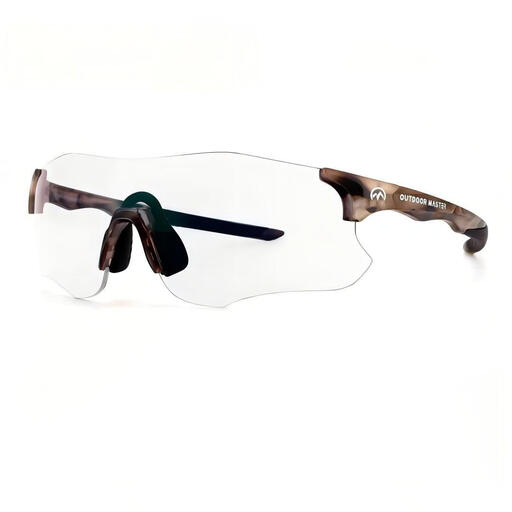
Why It Stands Out: The HawkSharp excels in adaptability. Its photochromic lenses transition smoothly across a wide spectrum (Cat.0 to Cat.3), making them suitable for everything from overcast days to bright sunshine. The lightweight TR90 frame and anti-slip features provide a secure and comfortable fit for long-duration sports.
Pros:
Who is it for? All-round cyclists who ride in a variety of weather and light conditions and value the convenience of a single, adaptive pair of sunglasses.
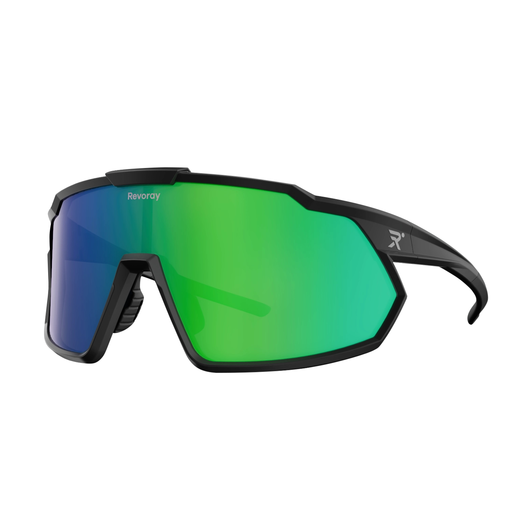
Why It Stands Out: While not photochromic, this model from Revoray is a top-tier choice for those who prioritise glare reduction above all else. The HD TAC polarised lenses are exceptionally effective at cutting through reflections from wet roads. Its ultra-lightweight design (33g) and ANSI Z87.1 impact-resistance certification make it a serious contender for performance-focused riders.
Pros:
Who is it for? Road cyclists and riders who frequently train in bright, open conditions where road glare is a primary concern.
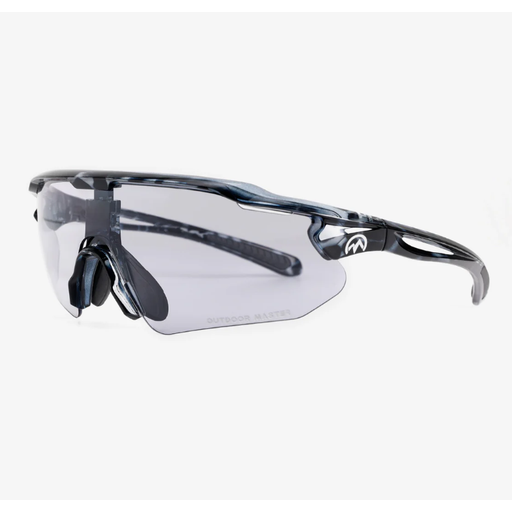
Why It Stands Out: This model combines the best of both worlds. It features lenses that are both photochromic and polarised, offering a complete solution for dynamic light and harsh glare. Weighing in at an exceptionally light 26-29g and offering a 20% wider field of vision, the HAWK LT is built for performance without compromise. The inclusion of an inner frame for prescription lenses is a significant bonus.
Pros:
Who is it for? The enthusiast or semi-professional cyclist who demands maximum performance and versatility and for whom both changing light and road glare are significant factors.
While our recommendations cover a range of needs for dedicated cyclists, the world of performance eyewear is vast. If you are looking for different styles or features, you can explore a wider selection to find the perfect match for your activities.
Explore Our Full Range of Women's Sports Sunglasses and More
Q1: Are photochromic lenses good for cycling? Yes, they are an excellent choice for cycling. Their ability to adapt to changing light levels means you maintain clear vision whether you are on an exposed road in full sun or riding through a shaded forest, improving both comfort and safety without needing to stop and change glasses.
Q2: What is the difference between photochromic and polarised sunglasses? Photochromic lenses change their tint based on UV light exposure, getting darker in the sun and lighter in the shade. Polarised lenses have a fixed tint but contain a special filter that specifically blocks horizontal light waves, which is what we perceive as glare from reflective surfaces like water or wet roads.
Q3: How long do photochromic lenses last? The photochromic properties of lenses do have a lifespan. Generally, you can expect them to perform effectively for two to three years with regular use. Over time, they may take longer to transition or not get as dark or as light as they once did. Storing them in their protective case away from extreme heat can help prolong their lifespan.