For piano recitals, a wired in-ear monitor described as neutral or flat is a sensible starting point if tonal detail matters most to you. In noisy places, a comfortable seal and passive isolation may take priority; if you prefer cable-free listening, consider wireless noise-cancelling earbuds while checking their sound balance, fit and device compatibility.
Who is this for?
Detail-focused piano listeners
If you listen for differences in touch, sustain and balance across the keyboard, the stated sound balance of an in-ear monitor is a useful starting point. Etymotic describes the ER2SE as flat-response, while Sennheiser describes the IE 200 as neutral and precise; neither description guarantees your preferred sound.
Listeners in noisy surroundings
When a commute or shared room masks quieter passages, ear-tip fit and passive isolation deserve attention before you turn up the volume. Published isolation figures depend on the seal you achieve, so comfort matters alongside noise reduction.
Long-session wired-audio users
For a full recital, you may care as much about a stable fit and a replaceable cable as the initial sound. Check how the cable sits around your ears and whether your listening device has the output required by the particular model.
What matters when choosing?
For piano-recital listening, decide which issue would rule out an otherwise appealing pair: its sound balance, noise around you, comfort through a performance or the connection to your device.
| Concern |
What to check |
Who this matters to |
| Piano tone and detail |
Check how the exact model describes its sound balance, particularly whether it is presented as flat, neutral or bass-emphasised. Do not use driver count as a substitute for that distinction. |
When tone and differences between recordings drive my choice, I want to avoid selecting extra bass by accident; around 36% of consumers would put tonal detail first. |
| Isolation at a comfortable volume |
Check the supplied tip options and whether you can obtain a comfortable seal for the places where you listen. Treat published isolation figures as model claims, not a personal result. |
If outside noise masks quiet passages, I need a better seal rather than simply turning the recital up; roughly 29% of consumers would make noise management their primary concern. |
| Fit through a full recital |
Consider tip sizes and materials, shell shape and cable routing. A fit that works briefly may need reassessing for a longer session. |
I would set aside an appealing sound if the earpieces became uncomfortable or slipped during a performance; about 21% of consumers would prioritise lasting fit. |
| Device and cable connection |
Match the plug or wireless connection to your source device. For a wired model, check whether its cable detaches and whether a compatible audio adapter is needed. |
Before choosing a wired pair, I need to know it will play from my phone, tablet or other source; around 14% of consumers would put connection compatibility first. |
Buying pitfalls
-
Assuming the stated isolation will be your result
An attenuation figure cannot tell you how well a particular tip will seal in your ears. Shure says isolation varies with ear-canal shape, sleeve, model and fit.
Look at the supplied tip sizes and fitting guidance, and check the seller’s applicable returns terms before ordering if you expect to try different tips.
-
Overlooking the source connection
The Shure SE215 and AONIC 3 use 3.5 mm cables. A source without a matching headphone output will need a compatible way to provide analogue headphone audio.
Check your exact device and confirm that any adapter supports audio output, rather than assuming a matching connector shape is enough.
-
Choosing by driver count alone
Driver count does not resolve whether a model’s stated tuning, fit or connection suits your piano listening. A bass-emphasised description, for example, answers a different question from a flat-response claim.
Compare the exact models’ sound descriptions and fitting options before treating their driver configurations as decisive.
-
Turning up the volume because the earphones isolate
Isolation does not make prolonged loud listening risk-free. Royal Free London NHS Foundation Trust advises limiting headphone volume and taking listening breaks.
Find a comfortable seal, use the lowest comfortable playback level and take breaks rather than compensating for outside noise with more volume.
Relevant brands for reference
Etymotic
The wired ER2SE is a reference point for listeners interested in a manufacturer-described flat response and substantial passive isolation.
- Etymotic states that the ER2SE has a flat frequency response and 35–42 dB passive attenuation.
- That attenuation is not a guaranteed personal result: the tips must seal suitably, and a wired connection must work with your source.
Sennheiser
The wired IE 200 is another model to consider if you are looking for a sound Sennheiser describes as neutral and precise.
- Sennheiser specifies a closed ear-canal design and a 3.5 mm angled plug for the IE 200.
- The brand’s sound description does not establish how its tonal balance or fit will work for every listener or recording.
Shure
The SE215 and AONIC 3 offer monitor-style wired options for listeners who want to consider sleeve choice and detachable cables.
- Shure lists multiple sleeve options and 3.5 mm cables for these models; it states that the SE215 can block up to 37 dB with a suitable fit.
- Shure also describes the SE215 as having deep bass, so do not assume it has a neutral sound. Sleeve choice and personal fit still need attention.
Joybuy product choices for recital listening
These in-ear choices cover wired listening, USB-C connections and cable-free noise-cancelling use. Compare each one against your main concern; a wireless noise-cancelling design or a bass-focused description is not, by itself, evidence of neutral piano reproduction.
 No image available
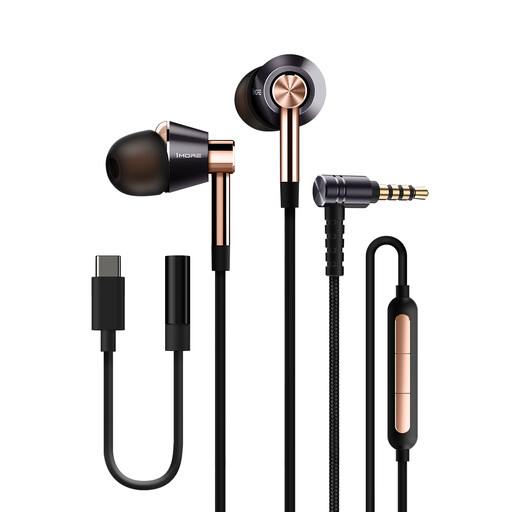
1MORE E1001 Triple Driver Wired Earphones with MEMS Mic (Gold)
Consider this wired in-ear model if you want to try different fits while listening to recordings. Its product name describes deep bass, so check whether that sound balance suits your preference for piano tone rather than assuming a neutral response.
View on Joybuy
 No image available
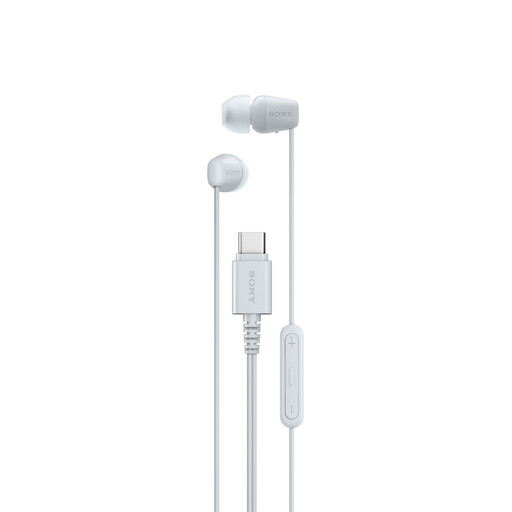
Sony IER-EX15C USB-C Wired Earbuds (White)
The wired USB-C connection is relevant if your listening device supports headphone audio through that port. Check source compatibility and whether the fit provides the comfort and seal you need for a full recital.
View on Joybuy
 No image available
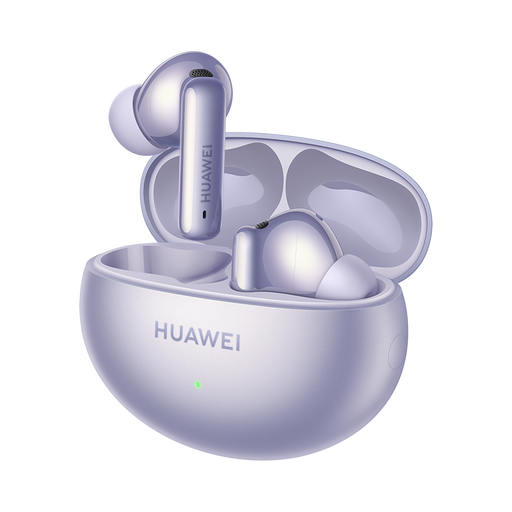
HUAWEI FreeBuds 6i True Wireless Noise-Cancelling Earbuds (Purple)
These are a cable-free option for listening where outside noise is a concern. Check how well the tips seal for you and whether the listing’s bass-forward sound description matches what you want from piano recordings; noise-cancelling effectiveness will depend on your fit and surroundings.
View on Joybuy
 No image available
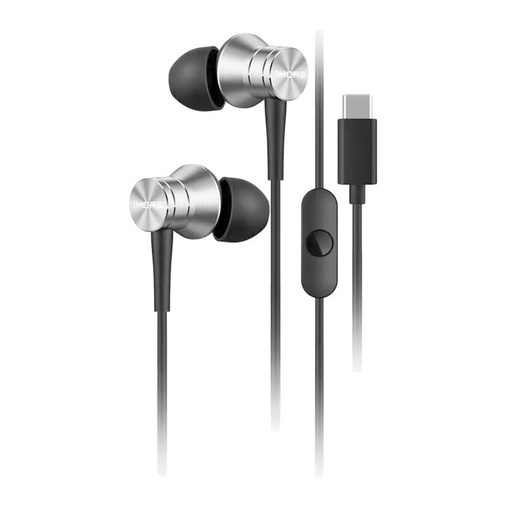
P10 1MORE Piston Type-C Wired Earphones (Silver)
The Type-C wired connection makes these worth considering for a source that supports USB-C headphone audio. Confirm that connection with your device, then check the available tips and sound balance if secure fit and piano tone matter most.
View on Joybuy
 No image available
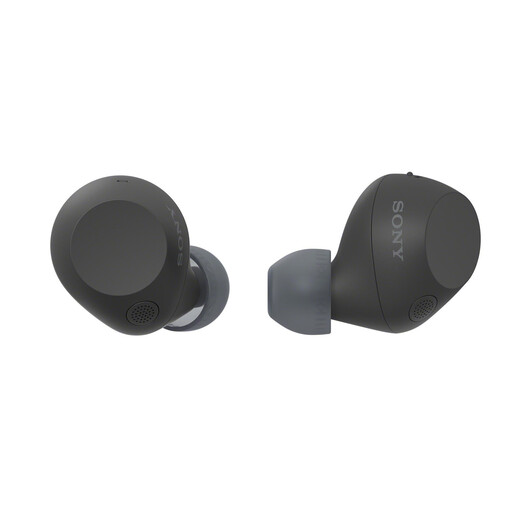
Sony WF-C710N Noise-Cancelling True Wireless Earbuds (Black)
This cable-free noise-cancelling model is relevant when you listen on the move. Its listing emphasises bass rather than neutral tuning, so consider that preference alongside tip fit before choosing it for piano recitals.
View on Joybuy
Frequently asked questions
Should I choose a neutral or bass-emphasised sound for piano recitals?
Start with a model described as neutral or flat if your priority is following piano tone and recording detail without deliberately boosted bass. Etymotic describes the ER2SE as flat-response and Sennheiser describes the IE 200 as neutral and precise; a bass-emphasised model may still suit you if you prefer extra low-end weight.
Can passive isolation help me listen at a lower volume?
A comfortable, effective seal can reduce the outside sound competing with quieter passages, so you may not feel the same need to raise playback volume. Fit determines the isolation you experience; Royal Free London NHS Foundation Trust also advises limiting headphone volume and taking listening breaks.
Will I need an adapter for a wired in-ear monitor?
You will need a compatible audio connection if your source has no socket for the monitor’s plug. Shure identifies 3.5 mm cables for the SE215 and AONIC 3; for those models, check whether your device has a 3.5 mm output or supports a suitable audio adapter before ordering.
What safety information should I check when buying in Great Britain?
Check for understandable instructions and safety information appropriate to the electrical product. The Electrical Equipment (Safety) Regulations 2016 require manufacturers placing covered equipment on the market to provide instructions and safety information consumers can understand. GOV.UK guidance states that CE marking continues to be recognised alongside or instead of UKCA marking in Great Britain where applicable; a mark alone does not tell you whether a particular pair fits or suits your listening device.


