
24/7 Customer Support

Free returns

Same-day & Next-day Delivery

Quality Guaranteed

Unlock Your Welcome Offers: FREE Delivery | Up to 80% OFF | Free 30-day JoyPlus trial
Download the APP
Navigating the world of pickled mustard greens can be surprisingly complex. Whether you know it as zha cai, suan cai or simply as a delicious side for congee, finding the right one is key to perfecting your dish. As a Joybuy Product Recommendation Officer, I see where shoppers often go wrong. Many end up with a product that's too salty, the wrong texture or requires unexpected preparation, leading to disappointment in the kitchen.
This guide is designed to help you bypass the common pitfalls and select the perfect pickled mustard greens for your needs, whether you're recreating a family recipe or exploring new flavours.
Before you add a packet to your basket, be aware of these frequent issues that can affect your cooking and enjoyment:
To ensure you get exactly what you need, focus on these three key parameters.
The foundation of any pickled product is the vegetable itself. Understanding the main types will help you match the product to your recipe.
The cut—shredded, sliced, chunk or whole—also matters. Shredded varieties are convenient for fried rice, while chunks offer a more substantial bite as a side dish.
Beyond the vegetable, the pickling brine defines the final taste. Look for these common profiles:
Always check the ingredient list. This will confirm the flavour profile and alert you to the presence of flavour enhancers (E621, E635), sweeteners (E955, E950) or preservatives (E211, E223) if those are a concern for you.
This is a crucial detail often found in the usage instructions on the packaging.
Here are a few options from our selection, matched to different needs and preferences.
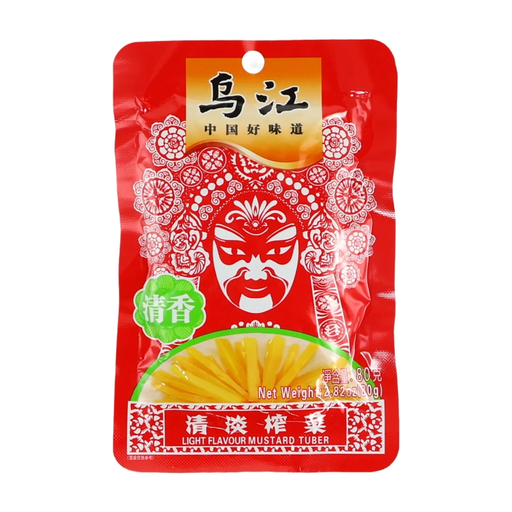
Why This Fits Their Persona: This is the ultimate convenience food. The single-serving 80g pouch is perfect for adding a quick, crunchy side to a bowl of noodles or rice after a long day, with no prep or waste.
Its "Light Flavour" label clearly indicates lower salt content, avoiding the salt overload trap. It is explicitly ready-to-eat, eliminating any preparation guesswork.
Retains a satisfying crispy texture with a milder taste. The individual packaging is hygienic and convenient.
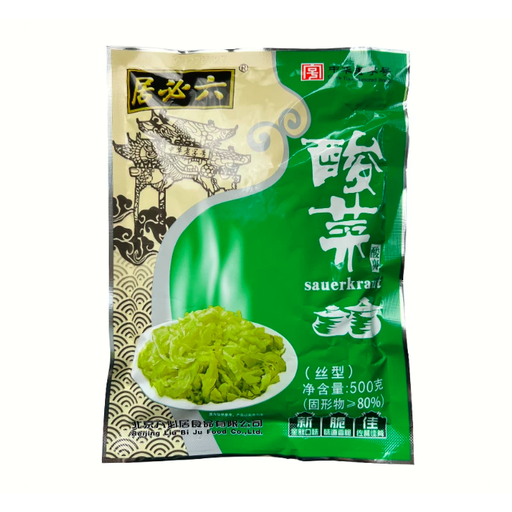
Why This Fits Their Persona: This is a classic shredded suan cai, the specific type of sour mustard greens needed for authentic dishes like sauerkraut fish soup or braised noodles. The large 500g pack is ideal for cooking family-sized meals.
It directly counters the "ready-to-eat" gamble by stating "Cooking required" and advising users to rinse before use, ensuring the product is used correctly for the best flavour.
Provides an authentic, tangy fermented flavour essential for traditional recipes. It is also low-calorie and fat-free.

Why This Fits Their Persona: For those who believe a meal isn't complete without a kick, these spicy pickles deliver. The sour and spicy profile is perfect for enlivening plain rice, noodles or acting as a zesty appetiser on its own.
The "Sour and Spicy" name is unambiguous, ensuring shoppers get the bold flavour they're looking for and don't accidentally buy a mild or overly salty version.
Ready-to-eat with a balanced flavour profile. The multi-pack of small individual pouches keeps the product fresh until needed.
We have compiled a complete, real-time list of products that fully satisfy these strict selection criteria and UK safety regulations.
The main difference is the part of the plant used and the resulting texture. Zha cai is made from the swollen, knobbly root stem of the mustard plant, giving it a distinctively firm and crunchy texture. Suan cai, on the other hand, is typically made from the leaves and upper stems, resulting in a softer, more tender texture, similar to sauerkraut. Zha cai is often used as a crunchy condiment, while suan cai is a key ingredient in soups and stews.
It depends on the product and your preference. For many ready-to-eat pouches, you can consume them directly. However, if you find them too salty, a quick rinse under cold water can help. For products packed in heavy brine or dried varieties, rinsing (and often soaking) is not just recommended, it is essential for rehydrating the vegetable and removing excess salt before cooking. Always check the usage instructions on the package.
Once opened, most pickled mustard greens should be transferred to an airtight container and stored in the refrigerator. For products in brine or oil, ensure the vegetables remain submerged in the liquid to maintain freshness. Generally, they should be consumed within one to two weeks for the best flavour and texture. Pouches are designed for single use, but if you have leftovers, refrigerate them and consume them within a day or two.