
24/7 Customer Support

Free returns

Same-day & Next-day Delivery

Quality Guaranteed

Unlock Your Welcome Offers: FREE Delivery | Up to 80% OFF | Free 30-day JoyPlus trial
Download the APP
For many in the UK, a simple packet of pickled mustard greens is more than just a condiment; it’s a direct link to the familiar tastes of home. For others, it’s an exciting step into the complex world of Chinese cuisine. Yet, navigating the online aisles can be confusing. A simple search reveals a huge variety, and choosing incorrectly can lead to a dish that’s not quite right.
Before you add a packet to your basket, it’s worth knowing about a few common pitfalls. Making the right choice is simple once you know what to look for.
To ensure you get the exact flavour and texture you’re after, focus on these three key characteristics.
The texture and application of the pickle depend heavily on which part of the mustard plant is used and how it's prepared.
The region of origin dictates the taste. Knowing the difference is key to matching the pickle to your meal.
This is perhaps the most critical check. The packaging should clearly state whether the product is ready to serve or requires cooking.
To help you choose, we've matched some popular options to different needs and preferences.
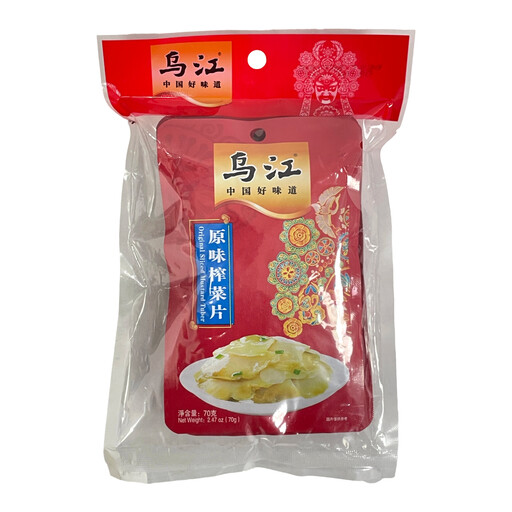
Why This Fits Their Persona: For busy students or professionals in the UK, convenience is paramount. This multi-pack of individually wrapped portions is perfect for a quick, flavourful side with a simple meal of rice or noodles without any prep work or waste.
It is explicitly a ready to eat side dish, eliminating the preparation trap. The "Original Flavour" from a major brand like Wu Jiang ensures a consistent, balanced taste, avoiding the overly salty or sweet pitfall.
The individual 70g packs are hygienic and ideal for single servings, preventing food waste. The crisp texture and savoury flavour are classic and versatile.

Why This Fits Their Persona: For those recreating authentic Sichuan dishes in their UK kitchen, having the right foundational ingredient is non-negotiable. This Yibin specialty (*Yá Cài*) is a cooking ingredient, not a side dish, perfect for adding depth to sauces and famous dishes like Dan Dan noodles.
This product directly counters the "one-size-fits-all" myth. It is a specific regional ingredient with a unique, salty and umami-rich profile designed for cooking, not for eating raw.
It provides an authentic flavour base that is difficult to replicate with other pickles. The finely chopped texture allows it to blend seamlessly into dishes, infusing them with its distinctive taste.
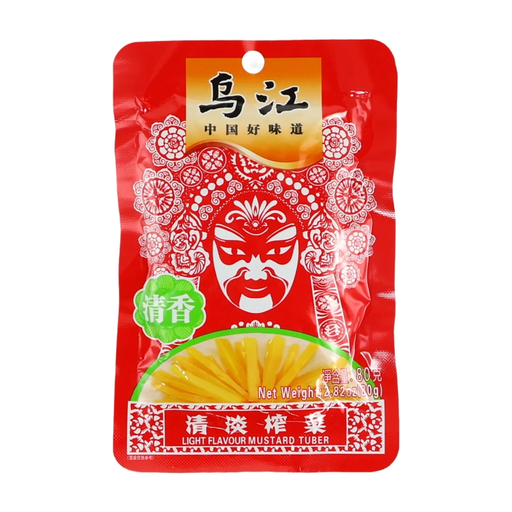
Why This Fits Their Persona: For those who love the crunchy texture of zhacai but are mindful of their salt intake, this is an ideal choice. It allows them to enjoy the classic condiment without the intense salinity of traditional versions.
This product directly addresses the "flavour imbalance" pitfall. It is specifically marketed as a "light-salted" option, giving consumers clear control over the saltiness of their meal.
It retains the satisfying crunch of traditional mustard tuber while offering a milder taste. The product description even suggests rinsing it to reduce saltiness further, providing extra flexibility.
We have compiled a complete, real-time list of products that fully satisfy these strict selection criteria and UK safety regulations.
1. What is the difference between zhacai and suan cai? While both are popular Chinese pickled vegetables, they are made from different plants. Zhacai is specifically made from the knobbly, swollen stem of the mustard plant, giving it a unique crunchy texture. Suan cai is a more general term for "sour vegetable" and is most commonly made from pickled napa cabbage, similar to sauerkraut, with a softer, more acidic profile.
2. How long do pickled mustard greens last after opening? Once opened, most ready-to-eat pickled mustard greens should be transferred to an airtight container and stored in the refrigerator. It is generally advisable to consume them within one to two weeks for optimal freshness and texture. Always check the packaging for specific storage instructions.
3. Are all pickled mustard greens spicy? Not at all. While many popular versions, especially from Sichuan, are spicy, there is a wide spectrum of flavours. You can easily find light-salted, savoury or sweet-and-sour varieties. Reading the product description and ingredient list will give you a clear idea of the flavour profile before you buy.