
24/7 Customer Support

Free returns

Same-day & Next-day Delivery

Quality Guaranteed

Unlock Your Welcome Offers: FREE Delivery | Up to 80% OFF | Free 30-day JoyPlus trial
Download the APP
A walk down the world food aisle reveals a fascinating array of pickled mustard greens, a staple condiment in many Asian cuisines. From the fiery kick of Sichuan zhacai to the tangy crunch of sour mustard greens, these preserved vegetables can transform a simple bowl of noodles or a plate of rice. However, for many UK shoppers, the sheer variety can be confusing. Choosing the wrong type can lead to a dish that is overwhelmingly salty or has an unexpected texture, turning a culinary experiment into a disappointment.
Many buyers fall into a few common traps. The first is assuming all Chinese pickled vegetables are interchangeable. This often results in using a ready-to-eat spicy side dish in a soup that calls for a milder, sour variety. Another frequent misstep is overlooking preparation needs. Some products are ready to serve straight from the packet, while others, like dried mei gan cai, require soaking and rinsing. Without checking, you might end up with an unpleasantly intense flavour and a ruined meal.
This guide will help you navigate the options, breaking down the key factors to consider so you can confidently select the right product for your pantry.
To avoid the common pitfalls, focus on three core characteristics. Understanding these will ensure the preserved mustard greens you choose perfectly match your culinary needs.
The physical form of the pickled vegetable is the first clue to its intended use. Each format offers a different texture and preparation experience.
Pickled mustard greens are not a monolith of flavour. The taste profile varies significantly by region and preparation style.
This is a critical distinction. Always check the usage instructions on the packaging.
To help you choose, we have matched a few distinct products to common user needs.
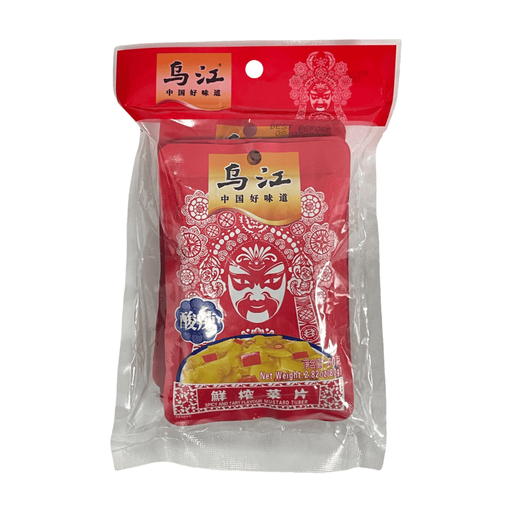
Why This Fits Their Persona: For those needing a quick and easy flavour boost for weeknight meals, this ready-to-eat shredded format is ideal. It can be added directly to noodles, rice or even a sandwich for an instant kick without any prep work.
Its "shredded" format and "ready to eat" nature eliminate the risk of buying a product that requires unexpected chopping or soaking. The "Hot & Sour" flavour is clearly stated, preventing any taste surprises.
Convenience: Pre-shredded and seasoned in a single-serving 80g packet. Versatile Flavour: The hot and sour profile complements a wide range of dishes.
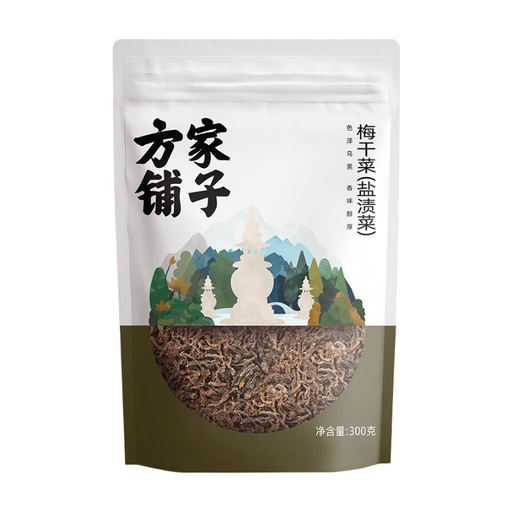
Why This Fits Their Persona: This is for the home cook dedicated to authenticity. If you're making a classic dish like 'Mei Cai Kou Rou' (braised pork with preserved greens), you need proper dried mei gan cai, not a ready-to-eat substitute.
This product avoids the "one-size-fits-all" trap by being a specific ingredient for traditional cooking. Its dried nature is a feature, not a flaw, for someone seeking the deep, complex flavour that only rehydrated greens can provide.
Authentic Flavour: Delivers the traditional, rich and savoury-sweet taste required for specific Jiangnan dishes. Requires Soaking: The instructions clearly state it needs soaking, ensuring correct preparation.

Why This Fits Their Persona: Perfect for those who enjoy a tangy, crunchy element with their meals. This sour mustard green is a classic side dish in its own right and is also the key ingredient for adding a refreshing, acidic note to soups and stir-fries.
The name "Pickled Sour Mustard" is unambiguous, ensuring the buyer gets the tangy flavour profile they expect, rather than a spicy or purely salty one. It's a whole-leaf product, offering versatility for use as a side or cooking ingredient.
Distinct Sour Flavour: Provides a clean, tangy taste that cuts through rich or oily foods. Versatile Use: Can be eaten as a side dish or chopped and added to soups, stews and fried rice.
We have compiled a complete, real-time list of products that fully satisfy these strict selection criteria and UK safety regulations.
It depends on the product and your preference. For most ready-to-eat varieties in small packets, rinsing is optional but can help reduce the saltiness if you find it too strong. For larger packs of brined vegetables or dried varieties like mei gan cai, rinsing or soaking is usually a required step to remove excess salt and rehydrate the product. Always check the package for specific usage instructions.
Once opened, pickled mustard greens should be transferred to a clean, airtight container and stored in the refrigerator. For brined products, ensure the vegetables remain submerged in their liquid. Generally, they should be consumed within a week for the best texture and flavour, but refer to the packaging for the manufacturer's specific recommendation.
Although both are types of Chinese pickled vegetables, they are quite different. Zhacai is typically made from the knobbly, swollen stem of the mustard plant. It is usually salty, often spicy and has a distinctively crunchy texture. It is most commonly sold ready-to-eat. In contrast, mei gan cai is made from the whole leaves of the mustard plant, which are salted, fermented and sun-dried. It has a darker colour and a more complex, savoury-sweet flavour. It must be rehydrated and cooked before consumption.