
24/7 Customer Support

Free returns

Same-day & Next-day Delivery

Quality Guaranteed

Unlock Your Welcome Offers: FREE Delivery | Up to 80% OFF | Free 30-day JoyPlus trial
Download the APP
From the tangy punch in a Sichuan fish soup to the savoury crunch atop a bowl of noodles, pickled mustard greens are a cornerstone of many East Asian cuisines. Yet, for home cooks in the UK, buying them online can be a confusing experience. With terms like suan cai, zha cai and mei gan cai often used interchangeably, it is easy to end up with the wrong product, leading to a dish that doesn't taste quite right.
As the Joybuy Product Recommendation Officer, my role is to help you navigate the options. This guide will break down the common purchasing pitfalls and clarify the key factors to consider, ensuring you select the perfect preserved mustard greens for your culinary needs.
Navigating the world of Chinese pickles can be tricky. Many shoppers find themselves disappointed when the product they receive doesn't match their recipe's requirements. Here are two frequent issues to watch out for.
The "One-Type-Fits-All" Misconception: A common mistake is assuming all pickled mustard greens are the same. Buying a packet of oily, spicy zha cai when your recipe calls for the sour, leafy suan cai needed for a classic suan cai yu (Sichuan fish soup) will fundamentally change the dish's flavour profile. The type of vegetable, the cut and the pickling method all result in vastly different tastes and textures.
Ignoring the Preparation Method: Some products are ready-to-eat condiments, while others are raw ingredients that require cooking, rinsing or even extensive soaking. Mistaking a packet of dried mei gan cai for a ready-to-use wet pickle can halt your cooking plans, as it needs to be rehydrated first. Always check the usage instructions to ensure the product fits your desired level of convenience.
To avoid these traps, focus on two core parameters: the type of pickle and its intended use. This will help you match the product to your recipe with confidence.
The term "pickled mustard greens" covers a wide family of Chinese pickles. Knowing the difference is key to getting the flavour you want.
Before adding a product to your basket, look for clues on the packaging and in the ingredient list.
To make your choice easier, we have matched some popular options to different cooking needs and preferences.

Why This Fits Their Persona: This user is on a mission to replicate the authentic taste of Sichuan fish soup at home. They need the specific sour, leafy pickle that forms the soul of the dish, not a simple condiment.
It is explicitly labelled "for Fish Dishes," directly addressing the "one-type-fits-all" pitfall by confirming it is the correct type of suan cai for this specific recipe.
Specially crafted to provide the classic sour and savoury flavour that balances the richness of fish, ensuring an authentic-tasting soup base.
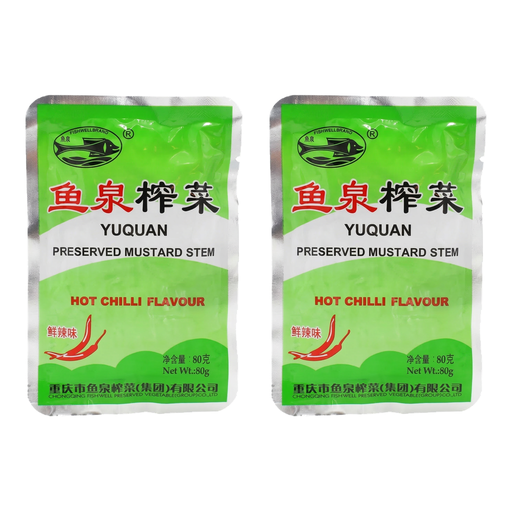
Why This Fits Their Persona: This user wants a convenient, flavourful topping for simple meals like rice, congee or instant noodles. They value speed and a punchy, ready-to-eat product.
This is a classic zha cai condiment, clearly labelled "Ready to eat." This prevents the user from mistakenly buying a cooking ingredient that requires preparation.
Offers a satisfyingly crunchy texture and a spicy kick from chilli. The small 80g packets are convenient for individual servings and help maintain freshness.
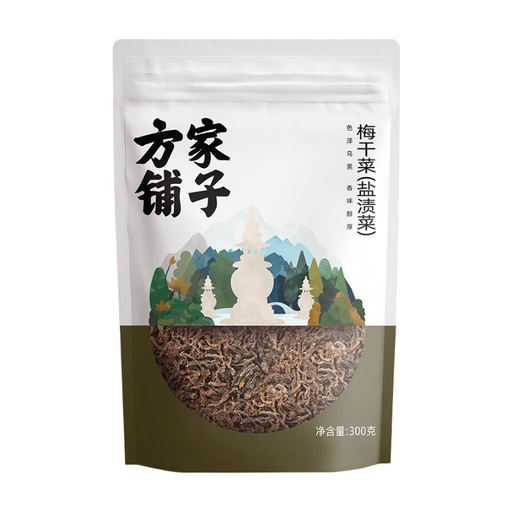
Why This Fits Their Persona: This home cook is looking for the authentic mei gan cai to make classic slow-cooked dishes like braised pork belly. They understand that preparation is part of the process and seek the deep, umami flavour that only this type of pickle can provide.
This product is clearly a dried vegetable that requires soaking, which avoids the "ready-to-eat" pitfall. The instructions specify the rehydration process, setting clear expectations.
Made with traditional sun-drying methods, it delivers an authentic, concentrated flavour. Soaking allows the cook to control the final saltiness of the dish.
We have compiled a complete, real-time list of products that fully satisfy these strict selection criteria and UK safety regulations.
This depends on the type and your personal preference. For ready-to-eat condiments like zha cai, you can typically consume them directly from the packet. For cooking ingredients like suan cai or dried mei gan cai, it is often a good idea to rinse or soak them. This helps to remove excess brine and allows you to control the salt level in your final dish. Always check the package for specific instructions.
Once opened, most varieties should be transferred to a clean, airtight container and stored in the refrigerator. The high salt content acts as a natural preservative, but they are best consumed within one to two weeks for optimal flavour and texture. Discard the product if you notice any off-smells, sliminess or mould.
The key differences are the part of the plant used and the flavour profile. Suan cai is typically made from the leaves and stems of the mustard plant, which are fermented to create a distinctly sour mustard greens flavour. It is soft and used as a cooking ingredient. Zha cai, on the other hand, is made from the crunchy, knobbly root stem. It is salted, pressed and often seasoned with chilli, resulting in a salty, crunchy and sometimes spicy profile, primarily used as a condiment.