
24/7 Customer Support

Free returns

Same-day & Next-day Delivery

Quality Guaranteed

Unlock Your Welcome Offers: FREE Delivery | Up to 80% OFF | Free 30-day JoyPlus trial
Download the APP
A good jar of pickled radish can transform a simple meal. That satisfying crunch and burst of savoury, spicy or sweet-sour flavour is the perfect companion to rice, noodles and congee. However, the online marketplace is crowded, and it's easy to end up with a product that disappoints. Many shoppers find their "crispy" radish is disappointingly soft, or the flavour is a one-note salt bomb rather than the complex taste they were hoping for.
As the Joybuy Product Recommendation Officer, my role is to help you navigate these choices. This guide will break down the key factors to consider and highlight the common pitfalls to avoid, ensuring you find the right pickled radish to elevate your home-cooked Asian side dishes.
Before adding to your basket, be aware of these frequent issues that can lead to buyer's remorse:
To ensure you get a product you'll enjoy, focus on these three essential parameters.
The way the radish is prepared directly impacts its texture and how you can use it.
Pickled radish is not a single entity; its flavour varies dramatically by region. Understanding the different types helps you match the pickle to your meal.
Always check the ingredients list for key flavour indicators like chilli, Sichuan peppercorn, vinegar and the types of sweeteners used.
Consider how you plan to use the pickled radish.
Based on these criteria, here are a few options from our catalogue, matched to different needs and preferences.
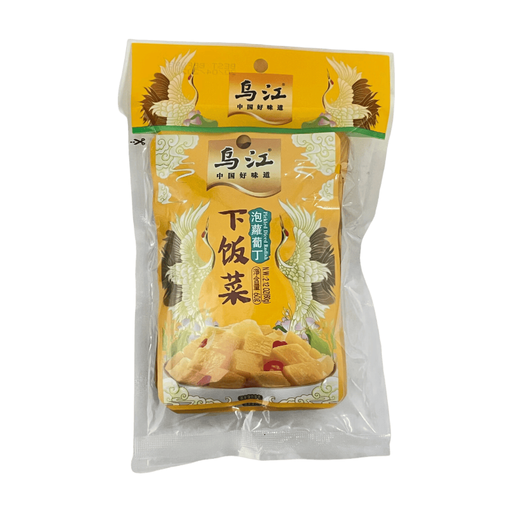
Why This Fits Their Persona: This multi-pack is perfect for anyone needing a quick, flavourful side for a work lunch or a simple weeknight dinner. The individual 60g packets are easy to store and transport, eliminating waste.
It sidesteps the "crispness" pitfall. Single-serving vacuum packs ensure that every portion is opened fresh, preserving the intended crunchy texture right until you eat it.
Excellent portion control and guaranteed freshness. The pickled pepper flavour offers a mild, appetising spice that isn't overpowering.
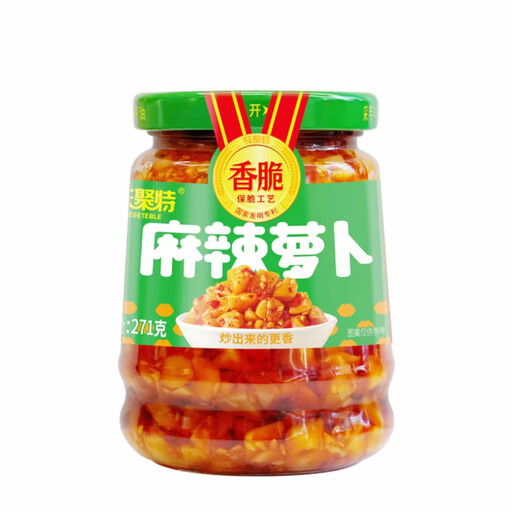
Why This Fits Their Persona: For those specifically seeking the bold 'málà' (numbing and spicy) profile of Sichuan cuisine, this product delivers. It's an ideal choice for anyone looking to replicate an authentic regional Chinese meal at home.
This product avoids the unbalanced flavour pitfall by committing to a specific, complex taste. The inclusion of Sichuan peppercorn and chilli in rapeseed oil creates a layered flavour, not just simple saltiness.
Delivers a genuine Sichuan numbing and spicy flavour. The brand also mentions a "lock-crisp technology" aimed at preserving texture.
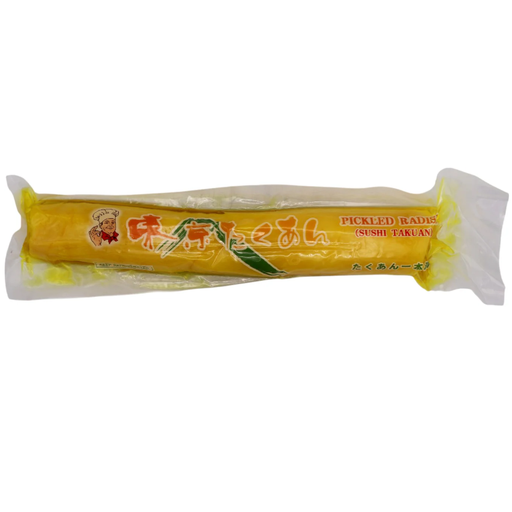
Why This Fits Their Persona: The large 500g whole pickle format is economical and highly versatile for household use. It can be sliced to order for bento boxes, served alongside grilled fish or chopped into fried rice, catering to multiple meals and preferences.
As a whole pickle, it naturally avoids the sogginess trap of pre-cut products. The user controls the texture by slicing it just before serving, ensuring maximum crispness every time.
Maximum versatility and texture control. The classic sweet and salty Japanese flavour profile is a crowd-pleaser that complements a wide range of dishes.
We have compiled a complete, real-time list of products that fully satisfy these strict selection criteria and UK safety regulations.
This depends on the product and packaging. Small, single-use packets are designed to be consumed in one sitting. For larger jars or packs, you should always follow the storage instructions on the label. As a general rule, once opened, they should be kept refrigerated in a sealed container and consumed within a few days to a few weeks. The flavour will remain, but the signature crispness will diminish over time.
Pickled radish can be a flavourful, low-calorie addition to a balanced diet. However, it is important to be mindful of the sodium and sugar content, which can be high in many commercially prepared varieties. Always check the nutritional information panel, paying attention to the values per 100g, to make an informed decision that fits your dietary needs. Some traditionally fermented types, like radish kimchi, may also offer the benefit of probiotics.
The primary differences are in the flavour profile and typical usage. Chinese pickled radish often leans towards savoury, spicy and sometimes numbing flavours, making it a robust appetiser or condiment for staples like congee. In contrast, Japanese pickled daikon (takuan) is generally milder and sweeter, serving as a palate-cleansing side dish (tsukemono) to accompany main courses like sushi, ramen or grilled dishes.