
24/7 Customer Support

Free returns

Same-day & Next-day Delivery

Quality Guaranteed

Unlock Your Welcome Offers: FREE Delivery | Up to 80% OFF | Free 30-day JoyPlus trial
Download the APP
By Joybuy Product Recommendation Officer
Pickled vegetables can turn plain rice, noodles or soup into a more distinctive meal, but choosing the right jar or pouch is not always straightforward. UK shoppers comparing Chinese pickled vegetables, Japanese garnishes, Thai preserved foods and familiar gherkins may find that similar-looking products differ considerably in flavour, preparation and storage.
Before buying, watch for three common traps:
Pickled vegetables cover several distinct styles:
Consider whether you want a ready-to-eat side dish, a garnish or an ingredient that will be heated. This prevents buying a strongly seasoned product when you need a neutral cooking base.
Salt, vinegar, sugar, chilli, spices and acidity regulators all affect the final taste. Some Asian pickles also contain soy sauce, sesame oil or wheat, which matters for shoppers managing allergens.
For example, Jixiangju Pickled Mustard Tuber contains soybeans and wheat through soy sauce, while Da Mao Young Bamboo Shoot contains soybeans and sesame. Pickled garlic and some bamboo shoot products list sulphites. Check the current packaging before purchase, particularly if you have an allergy or are buying for someone else.
UK food labelling rules require allergens to be emphasised in the ingredients list, but recipes and packaging can change. Online product information should therefore be treated as a guide rather than a replacement for checking the label delivered with your order.
Pack size should reflect how quickly you expect to use the product. Small individual packs can reduce waste, while 440g to 907g formats may suit families or frequent cooks.
Salt levels can vary substantially. The supplied nutrition information lists 3.0g salt per 100g for Jixiangju Pickled Mustard Tuber, 6.5g for Jixiangju Open-Flavor Pickled Mustard and 1.25g for Baxters Sauerkraut. These figures are not directly interchangeable unless the serving size and drained or as-sold basis are understood, but they demonstrate why checking the nutrition panel is worthwhile.
After opening, many products require refrigeration and prompt use. Some should remain submerged in brine; others should be transferred to a clean, airtight container. Follow the product-specific instruction rather than assuming every pickle has the same shelf life.
The following options suit different shopping priorities rather than one universal preference.
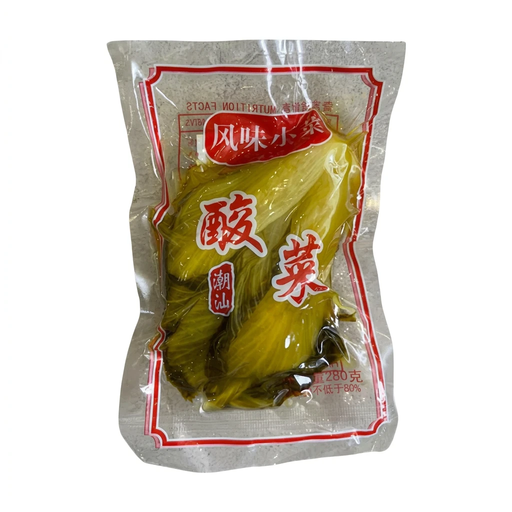
Why This Fits Their Persona: The 280g format is a manageable introduction to pickled mustard greens for UK shoppers trying Chinese cooking without committing to a large quantity.
The listed ingredients clearly identify mustard greens at 85%, with water, salt and permitted preservatives also shown.
Straightforward ingredient profile; suitable for chopping into rice, noodles or stir-fries.
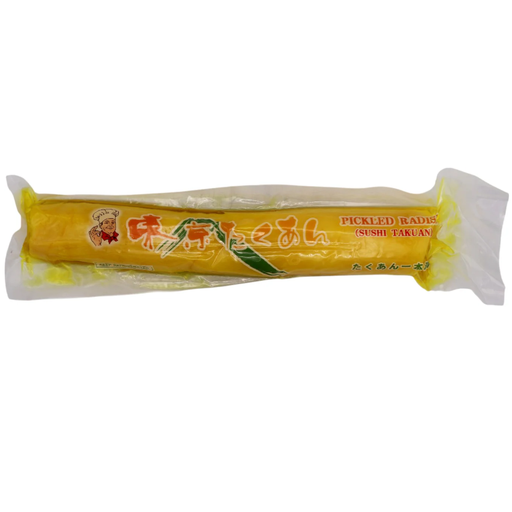
Why This Fits Their Persona: A 500g whole daikon format suits shoppers who value a firm, sliceable garnish for sushi, ramen, donburi, bento boxes and grilled dishes.
The listing specifies ready-to-eat use, with optional light rinsing if a less salty taste is preferred.
Whole daikon can be sliced to the desired thickness; ingredient list includes daikon, salt, sugar, rice vinegar and seasonings.
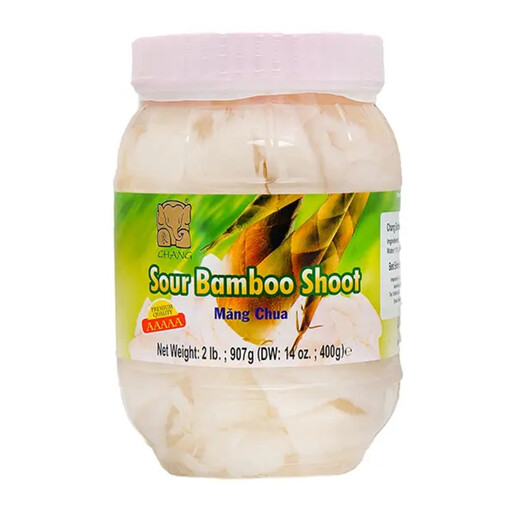
Why This Fits Their Persona: The approximately 907g pack is practical for frequent Thai cooking, batch preparation or households using bamboo shoots in soups, curries and stir-fries.
It is presented as sliced bamboo shoots in sour brine, so less preparation is needed before adding them to recipes.
Large format; listed uses include Tom Yum, Thai curries, stir-fries and salads. Refrigerate after opening and use within the stated period.
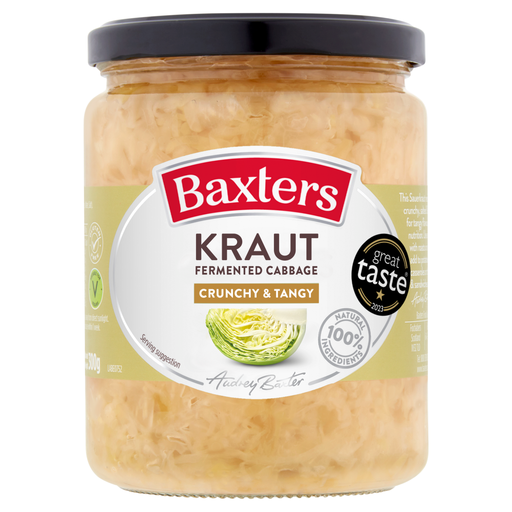
Why This Fits Their Persona: This familiar fermented cabbage option works for UK meals as well as world-food recipes, including sandwiches, salads, potatoes and roast accompaniments.
Its listed ingredients are sauerkraut, cabbage, water and salt, making the format easy to understand.
480g pack; nutrition information lists 13 kcal and 1.25g salt per 100g as sold.
We have compiled a complete, real-time list of products that fully satisfy these strict selection criteria and UK safety regulations.
Some are. Sushi ginger, many pickled onions, gherkins, seasoned bamboo shoots and certain pickled radishes are labelled ready to eat. Other products, such as Yu Yuan Suan Cai pickled cabbage, are supplied with instructions to rinse, drain and cook before consumption. Always check the individual packaging.
There is no single lifespan. The supplied product information gives examples ranging from one week for some mustard greens, sauerkraut and bamboo shoots to several weeks for pickled onions or garlic. Refrigeration, keeping vegetables submerged and using clean utensils can help maintain quality, but the printed label takes priority.
“Fermented” describes a production method, not a guarantee of a particular nutritional or health outcome. Compare the ingredients, salt, sugar and serving size instead. Fermented vegetables such as sauerkraut or naturally fermented pickled cabbage may have a different sourness and texture from vinegar-preserved pickles, so choose according to the dish and your dietary requirements.