
24/7 Customer Support

Free returns

Same-day & Next-day Delivery

Quality Guaranteed

Unlock Your Welcome Offers: FREE Delivery | Up to 80% OFF | Free 30-day JoyPlus trial
Download the APP
Whether you are preparing ramen, building a burger, serving a Sunday roast or stocking a restaurant pantry, pickled vegetables can add acidity, crunch and contrast without lengthy preparation. The challenge is choosing products that match your recipe, storage space and serving volume rather than paying for attractive packaging or an oversized jar you will not finish.
This guide explains the practical details to check before buying, then matches a selection of pickled mustard greens, pickled onions, sauerkraut and other world food condiments to different UK shopping needs.
“Pickled” does not always describe the same process. Pickled onions, pickled gherkins and jalapeños are commonly preserved in vinegar or an acidified brine. Sauerkraut and some Asian pickles may be fermented, although packaging should be checked for the precise description.
The difference affects flavour and use. Vinegar products are often sharper and cleaner tasting, while fermented vegetables can have a deeper tang. Do not assume that every sauerkraut or pickled cabbage product contains live cultures or offers a particular nutritional benefit; check the label and storage instructions instead.
Brine adds weight to the jar but is not the portion you serve. Compare drained weight, especially when choosing between products for a catering kitchen or a family that eats pickles regularly.
Salt and sugar also vary considerably. For example, the listed nutrition for Chang Pickled Garlic is 5.6g salt per 100g, while Morrisons Classic Pickled Onions lists 0.62g salt per 100g drained. These products suit different eating patterns and recipes, so reading the nutrition panel is more useful than relying on phrases such as “traditional” or “authentic”.
Pickled vegetables may contain sulphites, mustard, celery, soya or wheat-derived ingredients. Some products also contain colourants, sweeteners, preservatives or acidity regulators. In the UK, check the ingredients and allergen information every time, particularly when buying for children, guests or customers.
A vegan label can be useful, but it should be confirmed on the specific product listing or packaging. “Asian pickles” is a broad category that includes products with soy sauce, fish-derived ingredients or other components unsuitable for every diet.
Choose based on the role the product will play:
Look for the main vegetable near the beginning of the ingredients list. The listed Chang Pickled Sour Mustard contains mustard greens, water, salt, sugar and acetic acid, while Baxters Sauerkraut lists cabbage, water and salt.
Small packs are sensible for occasional use or first-time purchases. Larger jars and catering packs can reduce repeat ordering when the product is used daily, but only if you have suitable refrigeration after opening.
Sliced products are convenient for burgers, ramen and sandwiches. Whole pickled radish or whole gherkins give you more control over portioning and presentation. A 907g pack of sliced sour bamboo shoots, for instance, is more appropriate for frequent cooking than occasional garnish.
Ambient storage before opening is convenient, but it does not mean the product can remain in the cupboard indefinitely after opening. Instructions vary:
Always follow the current packaging instructions, keep vegetables covered by brine where stated, and discard products showing mould, unusual odour, discolouration or sliminess.
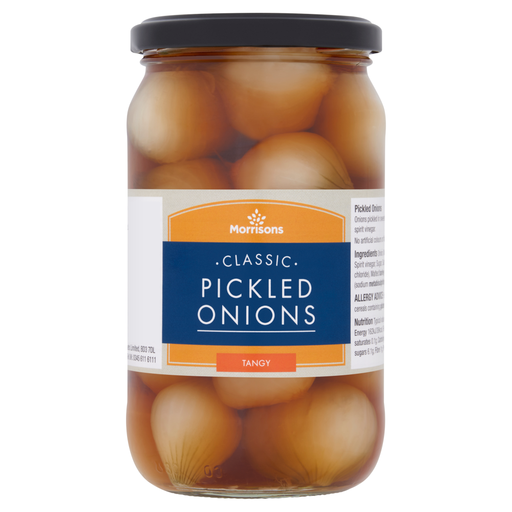
Why This Fits Their Persona: A familiar, ready-to-serve option for UK households trying pickled vegetables with sandwiches, pies, salads or cheese boards.
The listing identifies onions as 55% of the ingredients and provides drained nutrition, helping shoppers assess the actual food rather than the brine volume.
440g jar; suitable for vegans according to the listing; no artificial colours or flavours stated.
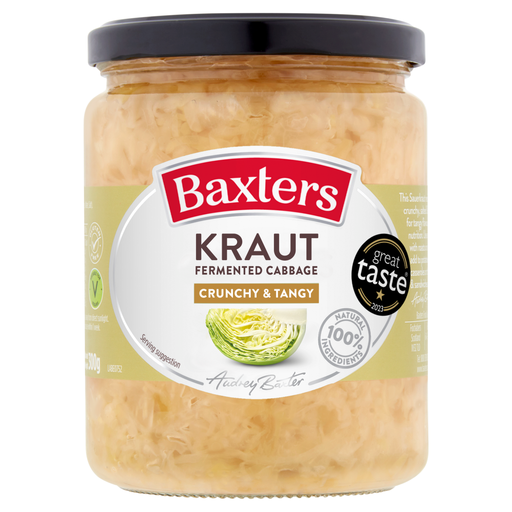
Why This Fits Their Persona: A straightforward fermented cabbage option for shoppers who prioritise a short ingredient list and classic tangy flavour.
Its listed ingredients are sauerkraut, cabbage, water and salt, avoiding a long list of flavourings or sweeteners.
480g pack; 13kcal per 100g as listed; suitable for roasts, sausages, potatoes and sandwiches.

Why This Fits Their Persona: Designed for cooks making Southeast Asian dishes who want a sour, crunchy ingredient ready for fried rice, noodles, soups and stews.
The product description specifies mustard greens, sour flavour, nutrition, allergens and after-opening refrigeration guidance.
300g pack; contains mustard; listed at 19kcal per 100g drained; suitable for chopping into cooked dishes.
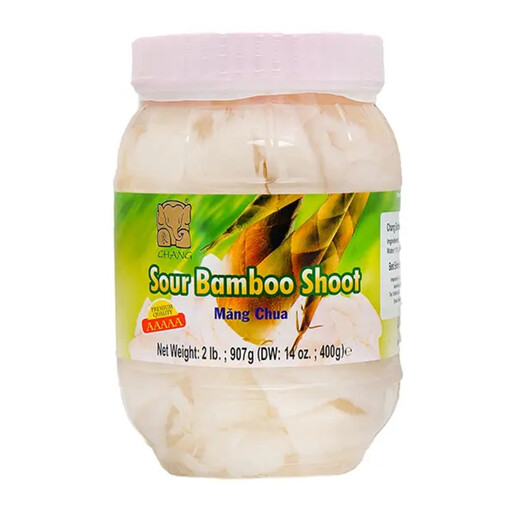
Why This Fits Their Persona: The approximately 907g pack suits restaurants, caterers and households that regularly prepare Thai curries, Tom Yum, stir-fries or salads.
The listing clearly states the pack size and advises refrigeration, airtight storage with brine and use within three to four days after opening.
Sliced format reduces preparation; ingredients include bamboo shoots, water, salt and acidity regulators; contains sulphites.
We have compiled a complete, real-time list of products that fully satisfy these strict selection criteria and UK safety regulations.
For broader meal planning, consider combining different textures and flavour profiles:
Usually, unopened ambient products can be stored in a cool, dry place if the packaging permits it. After opening, many require refrigeration. The exact period differs by product, so follow the label rather than applying one standard rule.
It depends on the vegetable, brine and packaging. The referenced products specify periods ranging from immediate consumption for ambient kimchi to around six weeks for pickled onions. Use clean utensils, reseal the container and check for spoilage before serving.
Some are, including the listed Morrisons Classic Pickled Onions, which are described as suitable for vegans. However, kimchi, mixed pickle and Asian pickles can contain fish products, soy sauce or other animal-derived ingredients. Check the current ingredients and suitability statement before buying.