
24/7 Customer Support

Free returns

Same-day & Next-day Delivery

Quality Guaranteed

Unlock Your Welcome Offers: FREE Delivery | Up to 80% OFF | Free 30-day JoyPlus trial
Download the APP
From a sharp sandwich relish to crunchy Japanese vegetable pickles, the right jar can transform a simple meal. However, shoppers comparing pickled vegetables can easily overlook serving size, storage instructions and allergen information. A product described as “traditional” may not suit a quick side dish, while an attractively priced large jar may be impractical if it must be consumed soon after opening.
This guide explains what to check before buying Asian pickles, mixed pickle, pickled mustard greens, kimchi, piccalilli and other ready-to-eat pickles for UK kitchens.
Not every pickle is intended to be eaten straight from the jar. Yu Yuan Suan Cai pickled cabbage, for example, states that it should be cooked before consumption and can be rinsed, shredded and added to stir-fries, soups or fillings. By contrast, kimchi, pickled onions and many pickled radishes are ready to eat.
Check the usage instructions before ordering. A product designed for cooking may be too salty or strongly flavoured to serve as a simple side dish.
A 750g jar may look more economical than a 100g pack, but large quantities are most suitable for families, frequent users or restaurants. Once opened, products may need refrigeration and consumption within a specified period. Chang Pickled Sour Mustard, for instance, advises keeping the contents submerged in brine and consuming them within one week after opening.
For occasional use, a smaller pack can reduce waste. For regular rice, noodle or curry meals, a larger mixed pickle or crushed pickle may be more practical.
Pickling commonly involves salt, vinegar, sugar or preservatives. Nutrition panels vary considerably: Chang Pickled Garlic lists 5.6g salt per 100g, while Morrisons Classic Pickled Onions lists 0.62g per 100g drained product. These figures are not directly interchangeable unless the serving and drained weight are considered.
Always read the ingredients and allergen declaration. Mustard, sulphites, barley, celery, soya, sesame, wheat and aspartame appear across different products. Formulations may change, so the packaging supplied with your order should take priority.
The main ingredient determines texture and how the product works in a meal:
Also check whether the vegetables are whole, sliced, crushed or mixed. A crushed pickle spreads easily, whereas whole radishes and gherkins offer more bite.
Look for clear wording such as “ready to eat”, “serve directly” or “cook before consumption”. Chun Yu Fu Cut Kimchi is pre-cut and ready to eat, while LTF TAKUAN Pickled Radish can be served immediately and lightly rinsed if you prefer a less salty taste.
The distinction matters when planning meals. Ready-to-eat pickles are useful for packed lunches and quick dinners; cook-before-use products are better suited to recipes where their flavour can blend into the dish.
A jar’s net quantity includes liquid, so compare drained weight where it is provided. Consider how often you will use the product and whether you have sufficient refrigerator space.
Typical storage instructions include:
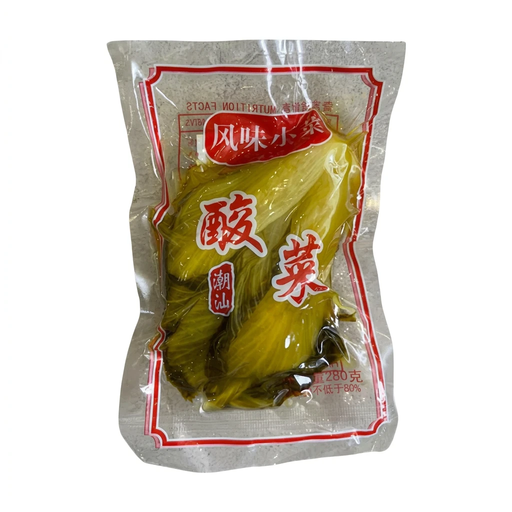
Why This Fits Their Persona: A compact pack for shoppers trying Asian pickles with rice, noodles or soups without committing to a large jar.
The 280g size is easier to manage than a foodservice pack, while its listed ingredients clearly identify mustard greens, salt and preservatives.
280g quantity; suitable for adding to everyday cooked dishes; sulphite information is listed.
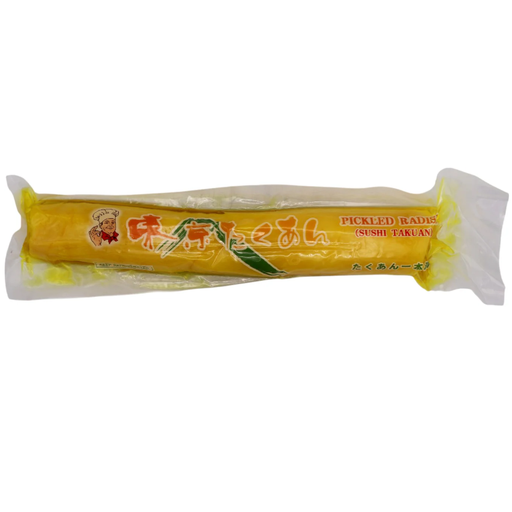
Why This Fits Their Persona: A substantial Japanese-style radish option for shoppers who prioritise texture, recognisable preparation and versatile serving ideas.
The product specifies ready-to-eat use, refrigeration within seven days after opening and the option to rinse before slicing.
500g pack; daikon-based; suitable for sushi, ramen, rice bowls and grilled dishes.
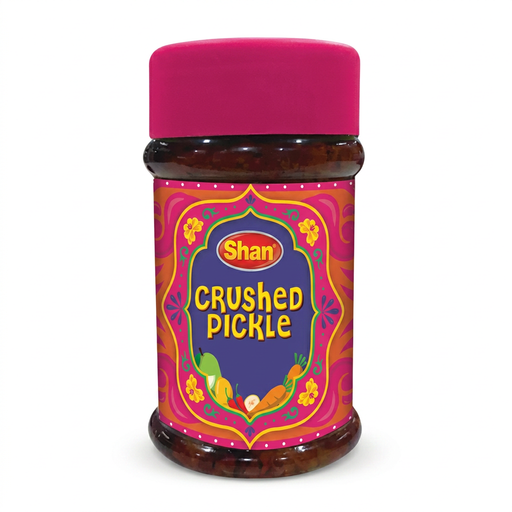
Why This Fits Their Persona: A large-format traditional pickle for families, frequent home cooks and foodservice kitchens serving rice, roti, paratha, curries and snacks.
The ingredient and allergen information identifies mango, carrot, lemon, green chilli, mustard and sulphites, helping buyers check suitability before purchase.
750g quantity; crushed texture; halal certified according to the supplied product information; no artificial colours or flavours listed.
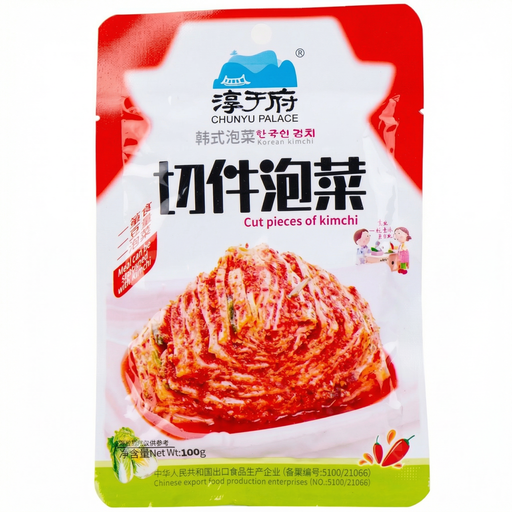
Why This Fits Their Persona: A pre-cut, ready-to-eat option for lunches, quick rice bowls and weeknight meals where preparation time is limited.
The pack is clearly marked as ready to eat and specifies refrigeration at 0–4°C, avoiding confusion over whether cooking is required.
100g pre-cut pack; includes napa cabbage, radish, chilli, garlic, ginger and spring onion; contains no preservatives according to the supplied description.
We have compiled a complete, real-time list of products that fully satisfy these strict selection criteria and UK safety regulations.
For British-style flavours, Bartons Piccalilli combines cauliflower and onions in a mustard and vinegar sauce, while Branston Original Pickle and Branston Small Chunks Pickle are designed for sandwiches, crackers and cheeseboards. Morrisons Classic Pickled Onions and Whole Gherkins provide familiar tangy accompaniments and are suitable for vegans according to the supplied product information.
For international cooking, consider Shan Pickle Mix with mango, carrot, lemon and green chilli, Chang Pickled Garlic for Thai-inspired meals or Yutaka Shibazuke Mixed Vegetable Pickles for Japanese rice and bento dishes. Pink sushi ginger and sliced green jalapeños are also useful when you need a small, ready-to-serve accent for sushi, tacos, nachos or fajitas.
Some are, but not all. Kimchi, pickled onions, gherkins, sushi ginger and many pickled radishes are commonly served directly after draining. Always check the product’s usage instructions. Yu Yuan Suan Cai specifically states that it should be cooked before consumption.
The period varies by product. Examples in this range include one week for Chang Pickled Sour Mustard and LTF TAKUAN Pickled Radish, four weeks for Chang Pickled Garlic and six weeks for Branston products and piccalilli. Refrigerate products as directed and follow the packaging supplied with your order.
Pickled mustard greens, kimchi, Shan mixed pickle, pickled cabbage and pickled radish all pair naturally with rice or noodles. Choose whole or sliced vegetables for texture and crushed or mixed pickle when you want a stronger condiment that can be distributed through each bite.