
24/7 Customer Support

Free returns

Same-day & Next-day Delivery

Quality Guaranteed

Unlock Your Welcome Offers: FREE Delivery | Up to 80% OFF | Free 30-day JoyPlus trial
Download the APP
Pickled vegetables can add sharpness, crunch and contrast to everyday meals, but the wide choice can make shopping confusing. A jar labelled as a pickle may be ready to eat, require cooking, contain a high amount of salt or include allergens that are easy to overlook.
This guide helps UK shoppers compare pickled vegetables, Asian pickles and traditional British pickle condiments by checking practical details rather than relying on promotional wording.
Some ready-to-eat pickles, such as pickled onions, gherkins and Japanese takuan, can be drained and served immediately. Others, including certain Chinese pickled vegetables and preserved cabbage, are intended to be rinsed and cooked first.
For example, Yu Yuan Suan Cai pickled cabbage states that it should be rinsed, drained and cooked before consumption. Chang Bamboo Shoot Tip Vacuum also requires cooking, while Da Mao Young Bamboo Shoot is labelled ready to eat. Always check the usage instructions rather than judging by the product name.
Brine contributes to the total weight of many jars, cans and pouches. The stated net quantity may therefore be higher than the amount of vegetable available for serving. Compare drained weight, where it is provided, especially when choosing gherkins, pickled radish or sliced bamboo shoots for family meals.
A larger pack can be practical for frequent cooking, but a smaller jar may create less waste if you only use pickle condiments occasionally.
Pickled vegetables can contain mustard, celery, barley, sulphites, soya, sesame or wheat, depending on the recipe. Piccalilli commonly includes mustard and may contain barley and sulphites. Some Japanese or Chinese pickles use soya sauce, while flavoured bamboo shoots may contain sesame oil.
UK food labels identify regulated allergens in bold, but recipes can change. Check the current packaging before buying, particularly if you have an allergy or are preparing food for guests.
Choose the format according to how you plan to serve it:
A firmer texture is useful when you want a noticeable crunch. Softer products may blend more easily into sauces, fillings and cooked dishes.
Pickling liquid often contains salt, vinegar, sugar or acidity regulators. Nutrition panels provide a more reliable comparison than descriptions such as “light”, “traditional” or “authentic”.
As a reference, Jixiangju Open-Flavor Pickled Mustard lists 6.5g of salt per 100g, while Morrisons Classic Pickled Onions lists 0.62g per 100g drained. These products are designed for different uses, so consider whether you will serve a small portion as a side dish or use a larger quantity in cooking.
If a pickle tastes too salty, rinsing and draining may soften the flavour, although this can also reduce some of the seasoning. For sweeter choices, check the sugar figure in products such as mango chutney, piccalilli and traditional British pickle.
Shelf-stable packaging is convenient, but opening the container changes the storage requirements. Many products need refrigeration after opening and should be consumed within a stated period. Some bamboo shoots should remain submerged in brine, while dry-packed snack pickles may need to be eaten immediately once opened.
For safe handling:
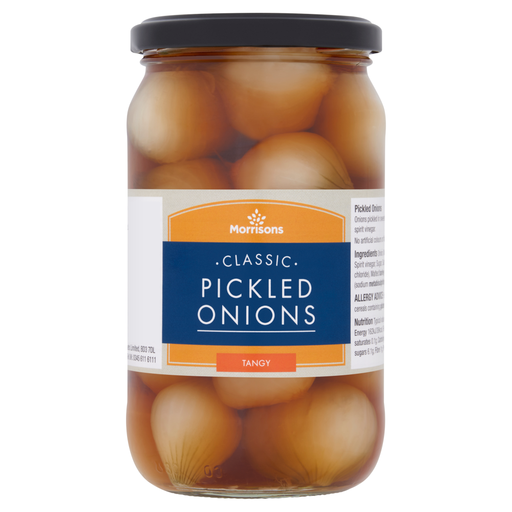
Why This Fits Their Persona: A familiar British-style option for shoppers starting to explore pickled vegetables, with a 440g pack suitable for sandwiches, salads and cheeseboards.
The listing provides drained nutrition information and clearly identifies barley and sulphites, helping shoppers check suitability before purchase.
Sweetened spirit vinegar; suitable for vegans; refrigerate after opening and use within six weeks.
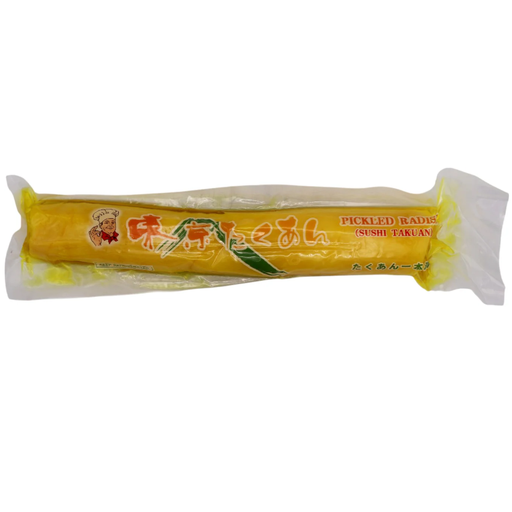
Why This Fits Their Persona: A substantial Japanese-style daikon option for shoppers who value a defined format and want a versatile accompaniment for sushi, ramen, rice bowls and salads.
The listing states that it is ready to eat and gives a seven-day refrigerated period after opening, rather than leaving preparation unclear.
500g whole daikon format; can be rinsed lightly if a less salty taste is preferred; contains wheat and soya.
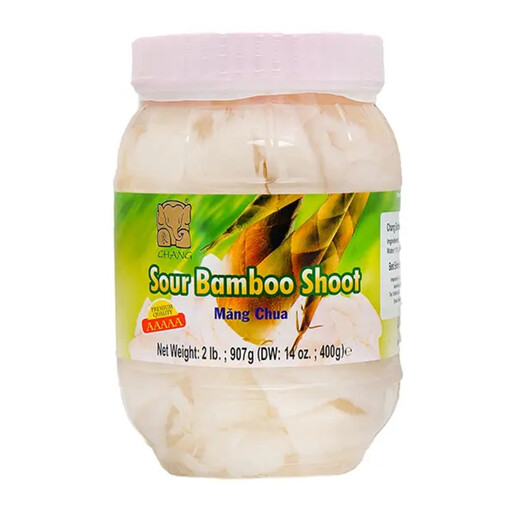
Why This Fits Their Persona: The approximately 907g pack suits regular home cooks preparing Thai soups, curries, stir-fries or meals for several people.
The product clearly states that the brine is not for direct consumption and gives opening instructions, including refrigeration and a three-to-four-day use period.
Pre-sliced bamboo shoots; suitable for Tom Yum, Thai curries and salads; contains sulphites.
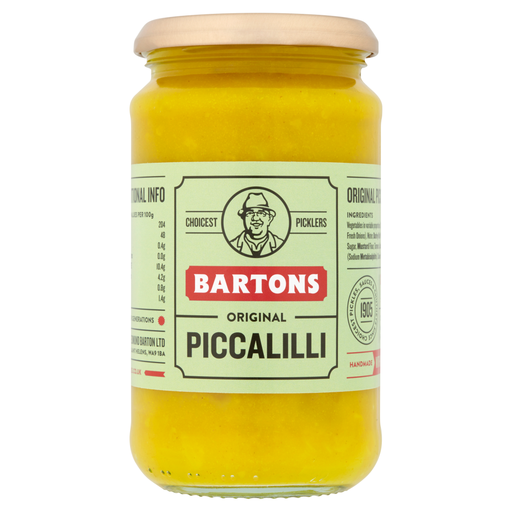
Why This Fits Their Persona: A ready-to-eat British pickle condiment for serving with cold meats, sandwiches, salads and snack platters.
Its ingredient and allergen information identifies barley, mustard and sulphites, while the storage guidance specifies refrigeration after opening.
439g jar; cauliflower and onion pieces in a mustard-and-vinegar sauce; ready to eat.
We have compiled a complete, real-time list of products that fully satisfy these strict selection criteria and UK safety regulations.
Some are, but not all. Gherkins, pickled onions, piccalilli, mango chutney and many types of pickled radish are normally ready to serve. Dried or fermented products such as certain pickled mustard greens, sour cabbage and bamboo shoots may require rinsing or cooking. Follow the product instructions.
The period varies by product and packaging. Examples in this range include one week for some mustard greens and Japanese takuan, three to four days for opened sour bamboo shoots and up to six weeks for some jars of pickled onions or piccalilli. Refrigerate when instructed and use the shortest stated period if you are unsure.
Many are made from vegetables, vinegar, salt and spices and some products are labelled suitable for vegans. However, recipes can include fish ingredients, dairy, honey or animal-derived additives. Check the ingredients and allergen information on each product rather than assuming that every pickle is suitable.