
24/7 Customer Support

Free returns

Same-day & Next-day Delivery

Quality Guaranteed

Unlock Your Welcome Offers: FREE Delivery | Up to 80% OFF | Free 30-day JoyPlus trial
Download the APP
Pickled vegetables can turn plain rice, sandwiches or a sharing platter into a more interesting meal with almost no preparation. However, jars, pouches and frozen packs vary considerably in flavour, salt content, allergens, texture and storage requirements.
The main buying mistakes are usually easy to avoid:
Read the ingredients list rather than relying on the product name. Mustard greens, for example, may be combined with soya sauce, sesame or flavour enhancers. Pengsheng Olive Vegetables contains mustard, soya and sesame, while Chang Pickled Sour Mustard with Chilli contains mustard, soya-related ingredients and sulphites.
Salt is another important comparison point. The listed salt values per 100g include:
These figures are not directly equivalent to the amount you may eat, but they help identify products suited to occasional small servings rather than generous portions. If you are managing your salt intake, compare labels and use pickles as an accompaniment.
Also check for colourings, sweeteners and preservatives. For example, Guo Sheng Pickled Lettuce contains sweeteners, and some seaweed salads include added sugar or glucose syrup.
Storage can affect both convenience and food safety. Look for three details:
J-BASKET Goma Wakame Salad is a frozen product that requires defrosting in cold water, at room temperature or overnight in the refrigerator. By contrast, Yutaka Shibazuke is ready to eat and should be kept refrigerated at 0°C to 4°C.
Follow the label’s stated timeframe after opening. Morrisons Whole Gherkins should be refrigerated and used within seven days, while Cooks & Co Saporiso Mixed Veg in Oil advises consumption within seven days. Karyatis Spanish Green Pitted Olives can be kept for up to two weeks after opening when refrigerated and submerged in brine, according to the product information.
Choose the format around your meal routine:
Check the drained weight where available, especially for olives and vegetables in oil. A large net quantity may include brine or oil, so the usable portion can be smaller than the front-of-pack number suggests.
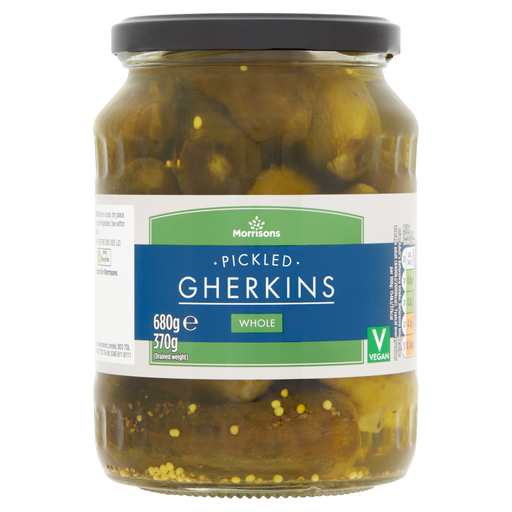
Why This Fits Their Persona: A familiar ambient jar for shoppers wanting a versatile pickle for burgers, sandwiches, salads and snacks without committing to a specialist flavour.
The label states the drained nutrition values, storage advice and a seven-day refrigerated-use period after opening, making the practical commitment clear.
680g jar; suitable for vegans; no artificial colours or flavours listed; 0.8g salt per 100g drained.
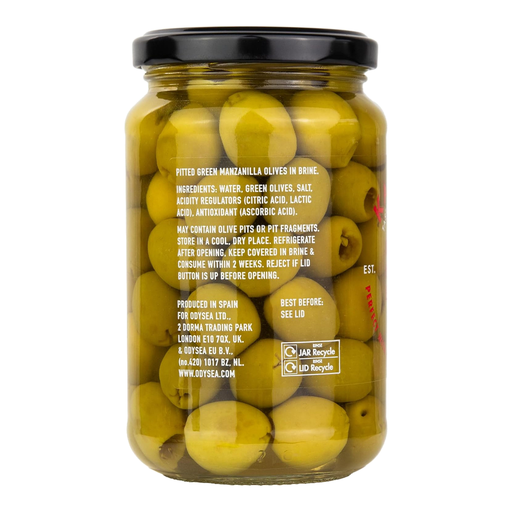
Why This Fits Their Persona: A Mediterranean-style option for entertaining, grazing boards and recipes where a firm olive texture and pitted convenience matter.
The product information explains brine storage after opening and warns that occasional olive pits or fragments may remain despite mechanical pitting.
350g jar; ingredients include green olives, water, salt and acidity regulators; useful for salads, pasta, pizza and platters.
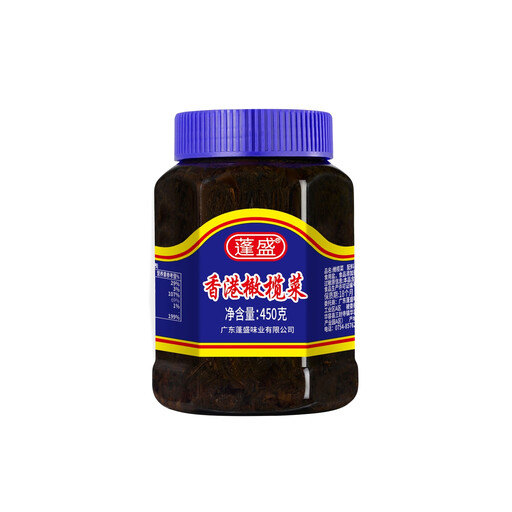
Why This Fits Their Persona: A family-sized Hong Kong-style condiment for shoppers who regularly serve congee, rice or noodles and also want an ingredient for stir-fries.
Its 450g quantity suits repeat use, while the product details clearly identify mustard, soya and sesame allergens and flag its high salt content.
Ready to eat from the jar; can be mixed with rice or noodles or used in cooked dishes; refrigerate after opening.
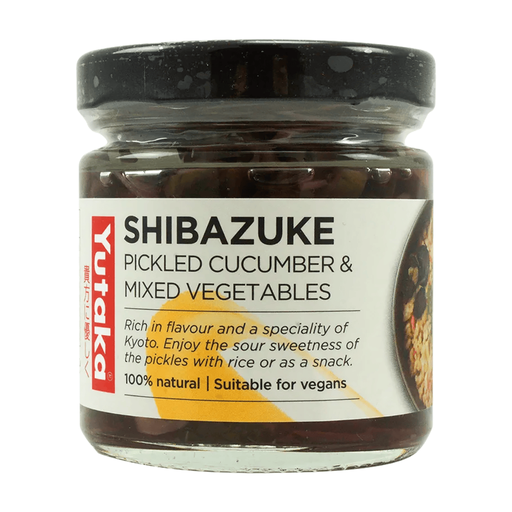
Why This Fits Their Persona: A small, chilled Japanese pickles pack for bento lunches, steamed rice, noodles and quick Asian-inspired dinners.
The 110g size reduces the chance of a large jar sitting unused, and the label states that it is ready to eat and should be consumed promptly after opening.
Contains cucumber, aubergine, ginger and shiso leaf; no allergens listed; serve chilled alongside rice or main dishes.
We have compiled a complete, real-time list of products that fully satisfy these strict selection criteria and UK safety regulations.
Use pickled vegetables as a measured accompaniment rather than the main part of a meal. Try:
For entertaining, combine contrasting textures: crisp gherkins, pitted olives, soft pickled onions and a mustard-based piccalilli. Keep chilled products cold and use clean serving utensils to avoid contaminating the jar.
Many jarred and canned products are ready to eat, including gherkins, olives, piccalilli and several Japanese pickles. Frozen products such as goma wakame salad must be defrosted according to the packaging instructions. Always check whether the product is intended as a side dish, cooking ingredient or both.
There is no single lifespan. Some products advise using within two days, seven days or two weeks after opening. Refrigerate as directed, keep vegetables covered by brine or oil where required, and follow the printed label rather than relying on smell or appearance alone.