
24/7 Customer Support

Free returns

Same-day & Next-day Delivery

Quality Guaranteed

Unlock Your Welcome Offers: FREE Delivery | Up to 80% OFF | Free 30-day JoyPlus trial
Download the APP
Pickled vegetables can add acidity, crunch and depth to simple meals, but the wrong jar may leave you with a product that is too salty, too sweet, inconvenient to store or unsuitable for your dietary needs. UK shoppers comparing mixed pickles, Asian pickles and world food condiments should look beyond attractive packaging and broad flavour claims.
Many pickled vegetables can be served straight from the jar, including gherkins, pickled onions, green olives, jalapeños and some Korean kimchi. Others are intended to be rinsed, chopped or cooked before consumption.
For example, Yu Yuan Suan Cai Pickled Cabbage is supplied with instructions to rinse, drain and cook before eating. It is more suitable for stir-fries, soup, fillings and stews than for opening and placing directly on a cheeseboard.
“Pickled vegetables” covers a wide range of tastes:
Check the ingredient list and serving suggestions rather than relying only on terms such as “authentic” or “traditional”.
A large jar may contain a considerable amount of brine, so compare net quantity and drained weight where available. Storage also varies. Some products remain ambient until opened, while others need refrigeration immediately or must be consumed within a short period after opening.
Always check the current packaging for allergens. Examples in this range include mustard, barley or gluten, sulphites, celery, soya and wheat. Some products also include sweeteners or colourings that may matter to particular shoppers.
Choose whole, sliced, chopped or mixed formats based on how you cook. Whole pickled radish suits slicing for ramen, rice bowls or bento boxes. Sliced green jalapeños are convenient for tacos, nachos and fajitas, while chopped piccalilli or Branston pickle can be spread directly into sandwiches.
For a quick side dish, look for products labelled ready to eat. For cooking, a larger pack of pickled mustard greens or mixed pickle may offer better practicality.
The first ingredients indicate what makes up most of the product. Shan Crushed Pickle, for instance, lists mango, carrot, lemon and green chilli alongside oil and spices, creating a strong Indian achar-style accompaniment for rice, roti, paratha and curries.
By contrast, green olives are generally preserved in brine with salt and acidity regulators. Crespo Green Olives Pimiento also includes a pimiento filling, making the flavour milder and more suitable for snacks, salads and tapas-style serving.
A 110g jar may be useful for occasional Japanese meals, whereas a 680g or 750g pack is more practical for families, frequent cooks or small foodservice settings. However, larger packaging is only economical if it will be used within the stated storage period.
After opening, follow the label carefully. Examples include:
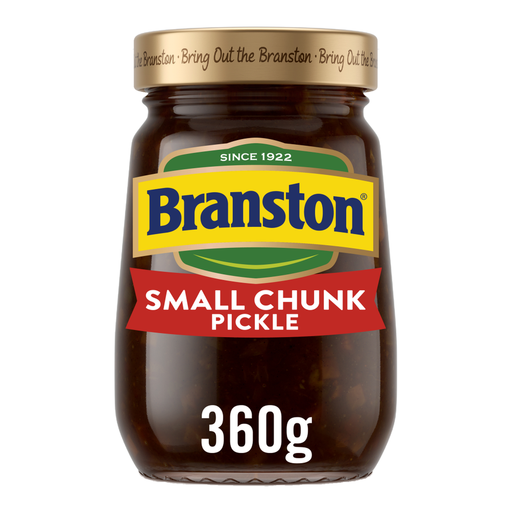
Why This Fits Their Persona: A familiar British-style condiment in a manageable jar, suitable for sandwiches, crackers, cheese and cold meats.
The label clearly identifies it as ready to use, avoiding the uncertainty of products intended mainly for cooking.
360g format; small vegetable pieces provide texture; suitable for vegans and vegetarians according to the product information.
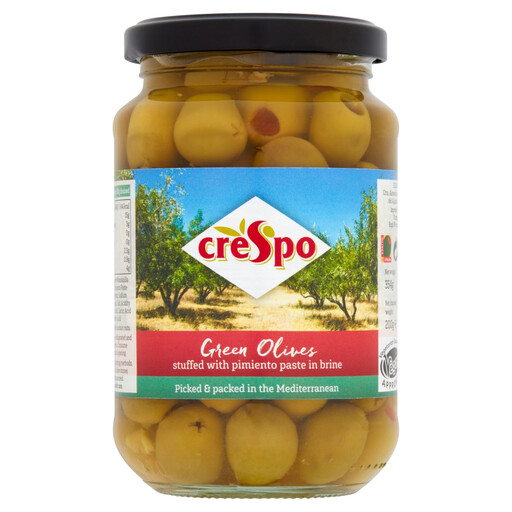
Why This Fits Their Persona: A presentation-friendly option for tapas, cheeseboards, salads, cocktails and chilled snacks.
The product description specifies pitted Manzanilla olives and a pimiento centre, so shoppers can distinguish it from plain or stone-in olives.
345g jar; vegetarian and vegan according to the listing; filled with 15% pimiento paste.
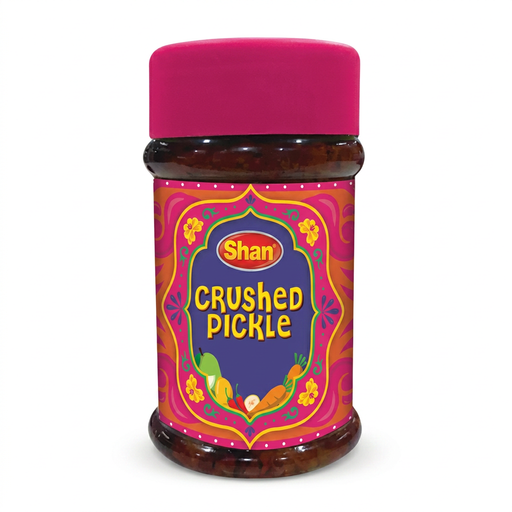
Why This Fits Their Persona: Designed for regular use with rice dishes, curries, roti, paratha, snacks or foodservice portions.
The 750g quantity makes the intended frequent-serving use clear, while the ingredient list sets expectations for chilli, oil, mustard and sulphites.
Mango, carrot, lemon and green chilli blend; halal certified according to the listing; large family or catering format.
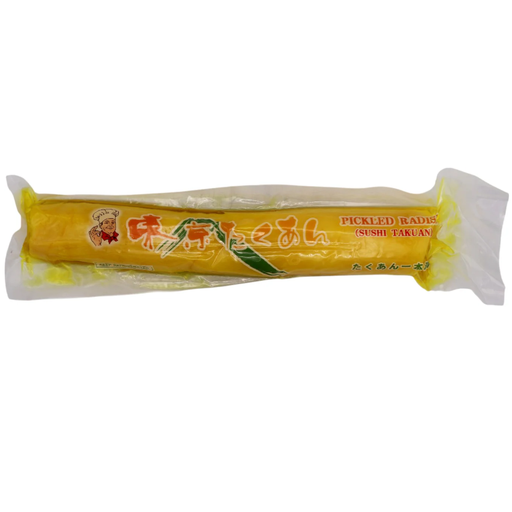
Why This Fits Their Persona: A substantial Japanese pickled radish format for ramen, sushi-style meals, rice bowls, bento boxes and grilled dishes.
The listing explains that it is ready to eat and can be rinsed lightly if a less salty taste is preferred.
500g pack; crisp daikon format; contains wheat and soya, which are clearly identified for checking before purchase.
We have compiled a complete, real-time list of products that fully satisfy these strict selection criteria and UK safety regulations.
It depends on the product. Many jarred pickles require refrigeration after opening and should remain covered by brine. Follow the label’s stated period, which may range from around one week for some Asian pickles to several weeks for products such as piccalilli or Branston pickle.
Some are, but not all. Several products in this selection are listed as suitable for vegans, including certain olives, gherkins, pickled onions and Branston products. Always check the current ingredient and allergen information, particularly for kimchi, sauces and mixed condiments.
Pickling commonly uses salt, vinegar, sugar or a combination of these. Nutrition varies considerably: savoury olives and mustard greens may contain notable salt, while sweeter relishes can contain more sugar. Compare the nutrition panel per 100g and use smaller portions where appropriate.