
24/7 Customer Support

Free returns

Same-day & Next-day Delivery

Quality Guaranteed

Unlock Your Welcome Offers: FREE Delivery | Up to 80% OFF | Free 30-day JoyPlus trial
Download the APP
Choosing pickled vegetables and condiments online can be surprisingly difficult. Product photographs may show generous portions, while the actual pack is much smaller; descriptions may highlight “crunch” without explaining storage; and a condiment suited to rice may not work well on a British cheeseboard.
The right choice depends on flavour, texture, serving style, pack size and ingredient information. This guide explains the main buying pitfalls and compares practical options for sandwiches, curries, lunchboxes, rice, noodles and everyday meals.
A large jar can appear economical, but it may not suit occasional use. Once opened, many pickles need refrigeration and should be consumed within a stated period. Smaller multipacks can reduce waste and are easier to take to work, school or university.
Check whether the listed weight is the total product weight or a multipack total. For example, individually packed 71g portions provide a different type of value from a single 360g or 750g jar.
“Pickle” covers several distinct categories:
Reading the ingredient list is more reliable than relying on phrases such as “bold”, “traditional” or “premium”.
Pickled products often use salt, vinegar, spices, mustard, sesame, soya, fish sauce or cereals containing gluten. Always check the current packaging before purchase, particularly if buying for several people.
Salt values can vary considerably. The supplied products list figures from approximately 1.37g to 5.5g of salt per 100g, so portion size matters. Some products also contain sweeteners, flavour enhancers or preservatives. These are not automatically a reason to avoid a product, but they should be considered alongside personal preferences and dietary requirements.
Look for clearly listed ingredients and highlighted allergens. Branston Original Pickle contains barley, while Baxters Kimchi lists wheat and fish through its ingredients. Chinese preserved vegetables may contain soya, sesame or mustard.
If you require a vegan, vegetarian, halal or gluten-free option, do not rely only on the product title. Check the product page and packaging information for the relevant certification or declaration.
Texture is one of the most noticeable differences between products:
Also check whether the item is ready-to-eat. Many products can be served directly after opening, but refrigerated storage may be required afterwards.
Compare the price per 100g where possible, but also consider how quickly you will use the product. A 750g jar may suit a family or frequent cook, while 50g or 71g portions are more practical for packed lunches.
Storage instructions are important. Some unopened products can be kept in a cool, dry place, while others require refrigeration at 0°C to 4°C. After opening, use a clean utensil, reseal the container and follow the stated consumption guidance.
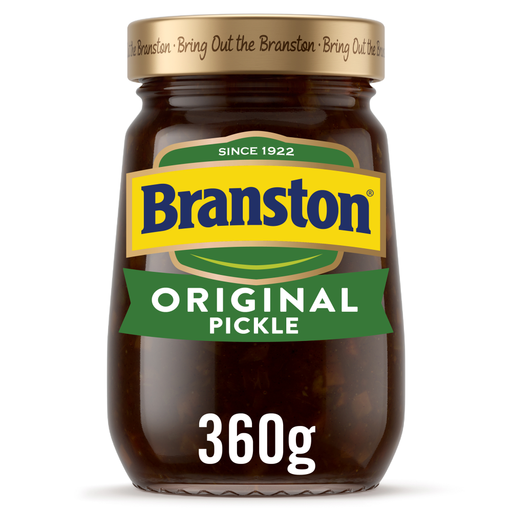
Why This Fits Their Persona: A familiar British-style pickle in a manageable jar for sandwiches, crackers and cheeseboards without committing to a larger household pack.
The 360g size is easier to use gradually than a large catering-style jar, with storage guidance supplied for opened contents.
Contains 51% vegetables in variable proportions and is ready to use with sandwiches or cheese.
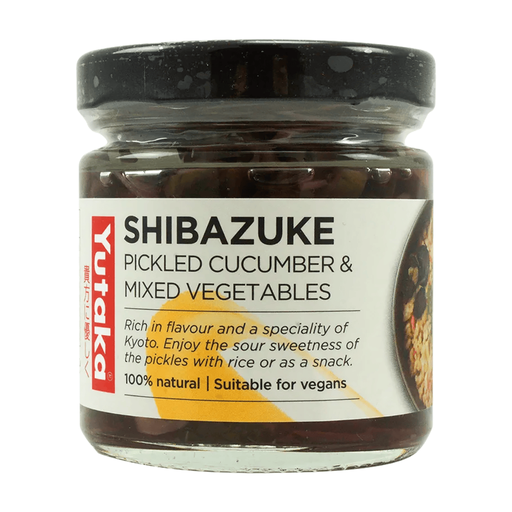
Why This Fits Their Persona: Suitable for shoppers seeking a Japanese-style accompaniment with cucumber, aubergine, ginger and red shiso leaf.
The ingredient list identifies the vegetables and serving instructions, helping you distinguish this from a generic vinegar pickle.
Product of Japan, ready to eat and designed for rice, noodles and main dishes.
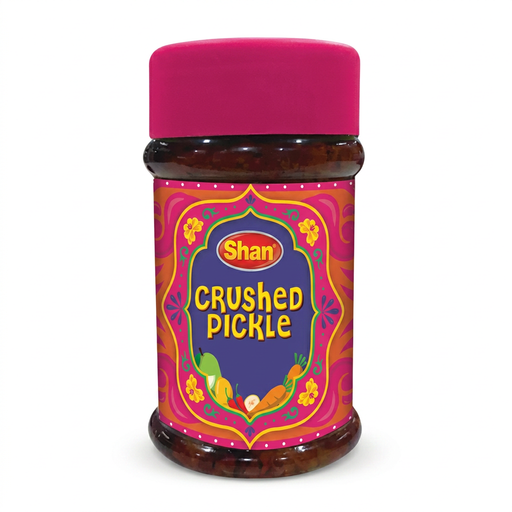
Why This Fits Their Persona: A larger Indian-style achar for households that regularly serve curries, roti, paratha, rice and snacks.
The 750g format is suited to frequent use, while the product page clearly identifies mustard, sulphites and possible tree-nut traces.
Contains mango, carrot, lemon and green chilli, with halal certification stated in the product information.
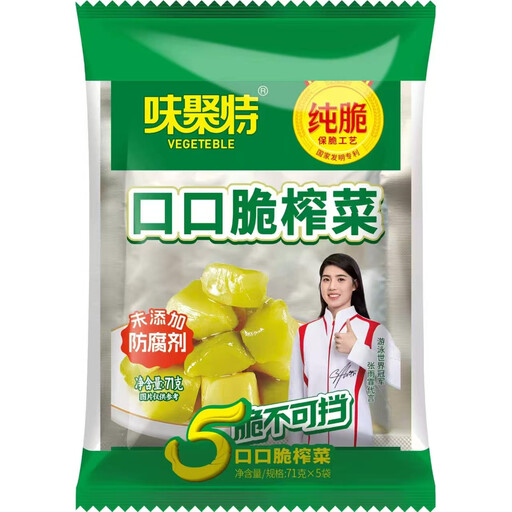
Why This Fits Their Persona: Individual portions are convenient for packed lunches, quick noodles, congee and rice bowls.
The five sealed 71g packs make portion size clear and avoid repeatedly opening one large container.
355g total weight, ready to eat, with mustard, sesame and soya clearly identified as allergens.
We have compiled a complete, real-time list of products that fully satisfy these strict selection criteria and UK safety regulations.
Many products, including Branston pickle, Indian lime pickle, Chinese preserved mustard stem and Japanese vegetable pickles, are ready to eat after opening. Some can also be added to cooking, but check the product instructions and storage requirements first.
There is no single rule. The product label may specify a period such as six weeks, one week or three to five days. Refrigerate products when instructed, use a clean utensil and discard any item with an unusual smell, damaged seal, bulging pack or unexpected texture.
For rice and noodle condiments, Sichuan pickled mustard stem, Chinese preserved vegetables, kimchi, Indian lime pickle and Japanese vegetable pickles are practical choices. Choose based on the flavour you want: salty and crunchy, spicy and oily, sour and fermented-style or lightly sweet and tangy.