
24/7 Customer Support

Free returns

Same-day & Next-day Delivery

Quality Guaranteed

Unlock Your Welcome Offers: FREE Delivery | Up to 80% OFF | Free 30-day JoyPlus trial
Download the APP
Choosing pickles and chutneys online can be less straightforward than it appears. A jar may look generous, but the useful information is often hidden in the ingredients, allergen statement or storage instructions. Whether you want a traditional British pickle, an Indian achar, a fruity preserve or a versatile cooking sauce, a few checks can prevent disappointing purchases.
Not every jar is designed for the same job. A thick mango chutney may work with curry, cheese and sandwiches but become too sweet as a marinade. Conversely, a chilli marinade or slow-cooker sauce may need heat and preparation before serving.
Check the serving instructions before buying:
Dietary labels need careful reading. A product may be described as gluten-free while being made in an environment where cereals or other allergens are present. Other jars may contain mustard, sulphites, soya, sesame, peanuts or milk.
For example, Bartons Piccalilli contains barley malt vinegar, so it is not suitable for people avoiding gluten. Branston Small Chunks Pickle is listed as gluten-free certified, while Branston Original Pickle lists barley and sulphites in its allergen information. Hawkshead Relish Christmas Chutney is described as free from nuts and gluten and suitable for vegans.
Always check the current packaging, particularly if buying for a child, guest or someone with an allergy.
A large jar is not automatically economical if your household only uses pickle occasionally. Pickles can also have a relatively high salt content, while chutneys and sauces may contain significant amounts of sugar.
Compare:
Look for descriptive ingredients rather than relying only on terms such as “traditional” or “authentic”. Mustard, vinegar, horseradish and citrus generally provide sharpness. Sugar, fruit and onions add sweetness, while chilli, cayenne and Scotch bonnet bring heat.
A British pickle or piccalilli normally offers a tangy, vinegar-led flavour with vegetables and spices. An Indian pickle may be oil-based, salty and strongly spiced. Asian pickled vegetables can be savoury, crunchy and designed to accompany rice, noodles or steamed bread.
Ingredient percentages show what gives the product its character. Geetas Lime Pickle contains 45% whole limes, while Geetas Lime & Chilli Pickle Chutney lists limes at 49% and green chillies at 10%. Hawkshead Relish Mango Chutney lists mangoes at 51%.
Read the bold allergen information and the full ingredient list. Watch for:
Unopened jars are commonly stored in a cool, dry place, but opened products generally require refrigeration. Use a clean, dry spoon for oil-based pickles and follow the stated consumption period.
Oil separation in lime pickle can be natural; stirring before serving may be recommended. Do not use a jar if its seal is damaged, the lid is raised or the packaging appears compromised.
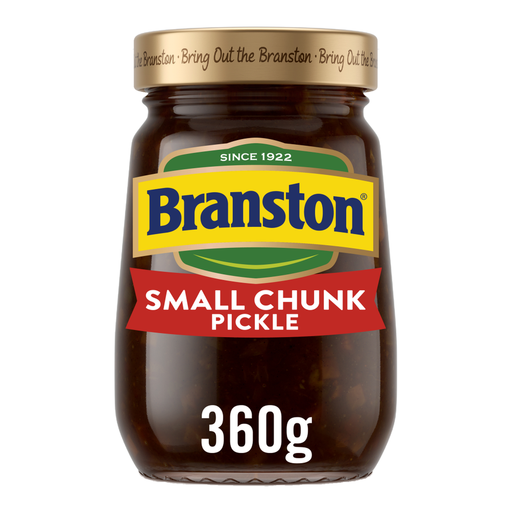
Why This Fits Their Persona: A familiar British pickle in a moderate 360g jar, suited to sandwiches, crackers and cheeseboards without committing to a larger pack.
The listed 51% vegetable content and clear serving guidance make it easier to judge what you are buying.
Ready to eat; suitable for vegans and vegetarians; gluten-free certification is listed.
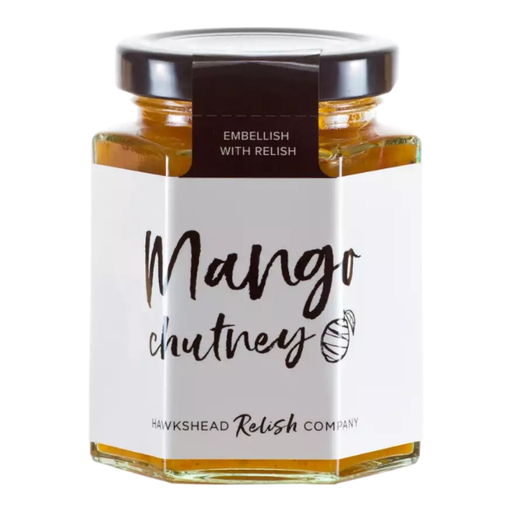
Why This Fits Their Persona: A small-batch English chutney with mango, lemon, lime, cardamom, nigella and chilli for curry nights, mature cheese and cold-meat sandwiches.
The 51% mango ingredient declaration gives a clearer indication of the preserve’s fruit base than front-label imagery alone.
Listed as free from nuts and gluten; no allergenic ingredients are listed.
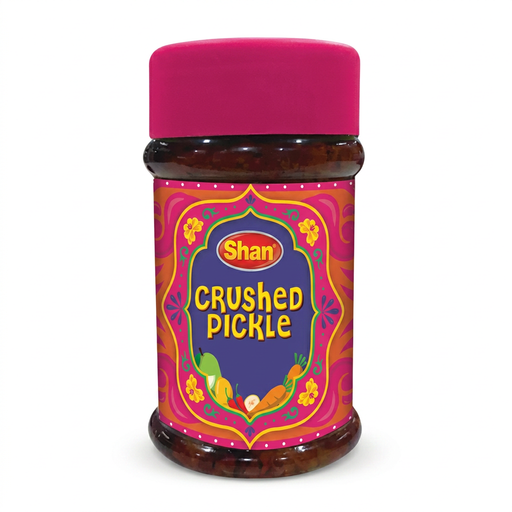
Why This Fits Their Persona: The 750g jar is practical for families, frequent curry cooking or foodservice-style use alongside rice, roti, paratha and snacks.
The 30g serving information helps shoppers consider portion size, while the label clearly identifies mustard and sulphites.
Contains mango, carrot, lemon and green chilli; halal certified and ready to serve.
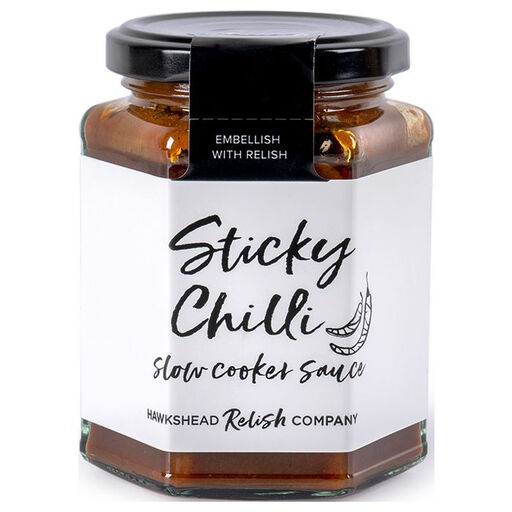
Why This Fits Their Persona: Designed for slow-cooked meat, vegetables or plant-based alternatives, it offers a ready-to-use route to a sticky, mildly warming meal.
Its instructions specify slow cooking for approximately four hours, so it is not mistaken for a simple cold table sauce.
Suitable for vegetarians and listed as gluten-free; refrigerate after opening and use within one month.
We have compiled a complete, real-time list of products that fully satisfy these strict selection criteria and UK safety regulations.
A varied cupboard can cover several meal occasions:
Usually, yes. Many products specify refrigeration after opening, although the recommended period varies. Branston products advise using the jar within six weeks, while several Hawkshead Relish products specify one month. Follow the instructions on the packaging rather than relying on appearance alone.
Pickle commonly refers to vegetables or fruit preserved in vinegar, salt, oil or spices, often with a sharper or saltier flavour. Chutney is typically a thicker sweet-and-sour preserve made with fruit, vegetables, vinegar, sugar and spices. There is overlap, so the ingredient list and serving instructions are more useful than the name alone.
Start with a small spoonful, particularly for salty or hot products such as Indian pickle, lime pickle and chilli sauce. You can add more to suit the meal. Checking the nutrition panel is sensible if you are comparing sugar or salt levels across different condiments.