
24/7 Customer Support

Free returns

Same-day & Next-day Delivery

Quality Guaranteed

Unlock Your Welcome Offers: FREE Delivery | Up to 80% OFF | Free 30-day JoyPlus trial
Download the APP
Pickles and preserved vegetables can transform a simple meal, but choosing the right jar is not always straightforward. Product names such as Asian pickles, Indian achar, Korean kimchi and Japanese pickles cover very different flavours, textures, ingredients and storage needs.
A jar that works well with curry may be too spicy for a sandwich, while a refrigerated kimchi can be unsuitable for a pantry shelf. Before buying, look beyond the front label and check how the product is made, how it should be stored and whether it matches your intended dish.
Not all preserved vegetables are fermented. Some are prepared in vinegar or an acidic brine, while others develop their flavour through fermentation. Korean kimchi, for example, is commonly associated with fermentation, whereas many pickled onions, gherkins and pickled ginger products rely mainly on vinegar, salt, sugar or acidity regulators.
This affects flavour and storage. Fermented products may have a deeper sourness and can require refrigeration, while vinegar-pickled products are often ambient before opening.
The number printed on the jar is often the total weight, including brine. This can make two products of similar size appear better value than they are. Check the drained weight where it is provided, particularly for pickled radish, gherkins, ginger and whole vegetables.
A 340g jar of sushi ginger, for example, has a stated drained weight of 200g. This is more useful for planning servings than the full jar weight.
Descriptions such as “traditional”, “authentic” or “bold” do not provide a standard measure of heat, saltiness or sweetness. Read the ingredient list for chilli, sugar, vinegar, mustard and salt. If you are serving a pickle with several dishes, a mixed pickle or a less spicy mustard vegetable may be more adaptable than a strongly seasoned achar.
UK food labels should identify relevant allergens, but recipes can vary between products. Look specifically for:
For example, Wan Xing Long Chaoshan Pickled Mustard Greens contains mustard greens, salt and preservatives including E202 and E222, with sulphites listed in the ingredients. Shan Crushed Pickle lists mustard and sulphites and may contain traces of tree nuts. Always check the packaging before consumption, particularly if an allergy or dietary restriction is involved.
Ambient storage does not mean every product can remain in a cupboard after opening. Bibigo Sliced Kimchi Ambient 150g is designed for cool, dry storage before opening, while Chun Yu Fu Cut Kimchi 100g requires refrigeration at 0–4°C. British products also vary: Morrisons Classic Pickled Onions should be refrigerated after opening and consumed within six weeks, while Morrisons Whole Gherkins should be used within seven days.
Use a clean utensil, keep vegetables covered by brine where instructed and follow the product’s own guidance rather than relying on general assumptions.
Choose the cut and texture for the meal:
Remember that Yu Yuan Suan Cai pickled cabbage is marked cook before consumption, unlike ready-to-eat pickles. That distinction matters when planning quick meals.

Why This Fits Their Persona: A straightforward introduction to Southeast Asian pickled mustard for shoppers who want one versatile jar for rice, noodles and soups.
The ingredient list identifies mustard greens at 80%, with a 300g pack size and clear preparation details.
Tangy, crunchy vegetable texture; suitable for chopping into fried rice, noodles, soups and stews.

Why This Fits Their Persona: A convenient choice for Korean food enthusiasts who want sliced napa cabbage with chilli, garlic, ginger and spring onion.
Its stated storage format is ambient before opening, and the label identifies soya as an allergen.
Pre-sliced and ready to eat; suitable for rice bowls, ramen, stir-fries and stews.
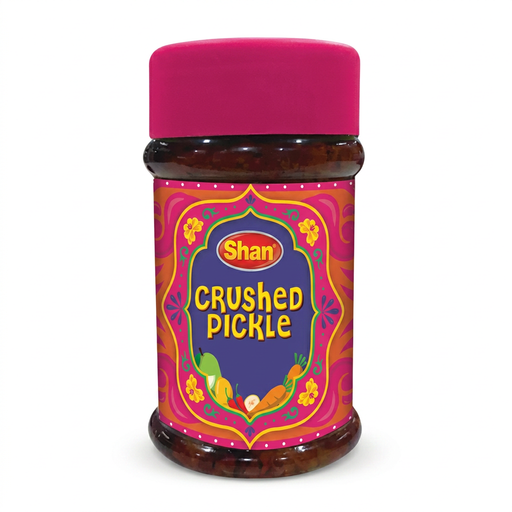
Why This Fits Their Persona: The larger format suits families, frequent curry eaters, caterers and food-service buyers serving achar with rice, roti, paratha and snacks.
The 750g quantity is clearly stated, while mustard, sulphites and possible tree-nut traces are disclosed.
Crushed texture is easy to portion; ingredients include mango, carrot, lemon and green chilli.
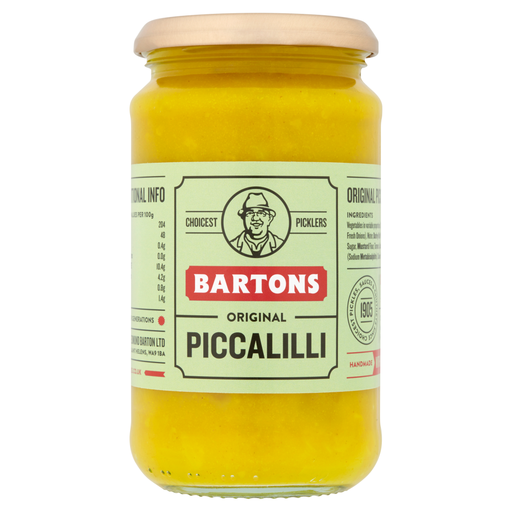
Why This Fits Their Persona: Designed for shoppers who enjoy a British-style pickle with cold meats, sandwiches, salads and cheese boards.
The label makes its mustard, barley gluten and sulphite content clear, helping shoppers compare dietary suitability.
Ready to eat; combines cauliflower and onions with mustard, turmeric and vinegar.
We have compiled a complete, real-time list of products that fully satisfy these strict selection criteria and UK safety regulations.
Use vegetable pickles in small portions to add contrast rather than allowing them to dominate the plate:
Many are, but suitability depends on the ingredients and manufacturing details. Morrisons Classic Pickled Onions and Morrisons Whole Gherkins are described as suitable for vegans. Other products may include fish-based seasoning, dairy, honey or less obvious ingredients, so check the current label before buying.
Not always. Some sealed jars and pouches are designed for ambient storage, including several vinegar-pickled products and Bibigo Sliced Kimchi Ambient. Refrigerate products labelled as chilled, such as Chun Yu Fu Cut Kimchi, and refrigerate opened products whenever the packaging instructs you to do so.
There is no single lifespan. Examples in this range include six weeks for opened pickled onions, piccalilli and Branston pickle, seven days for some gherkins and Japanese radish products and four weeks for Chang Pickled Garlic. Always follow the package instructions, use clean utensils and discard any product showing mould, unusual odour or a slimy texture.