
24/7 Customer Support

Free returns

Same-day & Next-day Delivery

Quality Guaranteed

Unlock Your Welcome Offers: FREE Delivery | Up to 80% OFF | Free 30-day JoyPlus trial
Download the APP
A good pickle or relish can transform a meal, turning a simple sandwich into a flavour-packed lunch or adding a vibrant kick to a rice bowl. Yet, the sheer variety on the shelves can be overwhelming. From classic British sandwich pickle to fiery Asian condiments, choosing the right jar can feel like a gamble. As a Joybuy Product Recommendation Officer, my role is to help you navigate the options and find the perfect accompaniment for your plate.
Many of us have been disappointed by a jar that didn't live up to its label. Before you make your next purchase, it helps to be aware of a few common pitfalls that can lead to a flavourless experience.
To avoid these issues, it pays to look beyond the front label and understand a few core characteristics. Focusing on these details will help you select high-quality pickled vegetables and relishes every time.
The method used to preserve the vegetables is the single biggest factor influencing the final taste and texture.
The contents of the jar tell the real story. A quick scan of the ingredients list can reveal the true flavour profile.
To help you find a starting point, we've matched a few standout products to different tastes and uses.
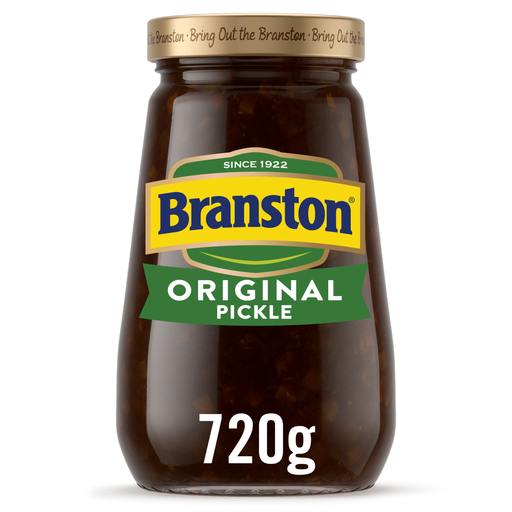
Why This Fits Their Persona: This is the quintessential British condiment, perfect for anyone who loves a classic ploughman's lunch, a cheese toastie or a ham sandwich. Its familiar, robust flavour is a reliable staple for the UK pantry.
It sidesteps the "one-note flavour" trap by using a complex recipe with a variable mix of vegetables, date paste and apple pulp, creating a deep, tangy and sweet profile rather than just a simple sour taste.
A versatile and recognisable flavour that pairs well with cheese and cold meats. The mix of carrot, swede, onion and cauliflower provides a satisfyingly crunchy texture.

Why This Fits Their Persona: For those looking to explore authentic Korean flavours, this is an ideal starting point. It's perfect for adding to ramen, making kimchi fried rice or serving as a zesty side dish to cut through rich foods.
This product counters the "authenticity illusion." It is made in South Korea with high-quality Napa cabbage and a genuine fermentation starter culture, delivering the complex, tangy and spicy flavour expected of real kimchi.
Conveniently shelf-stable (ambient), so it can be kept in the pantry. It is pre-sliced, making it ready to use straight from the pack without any prep work.
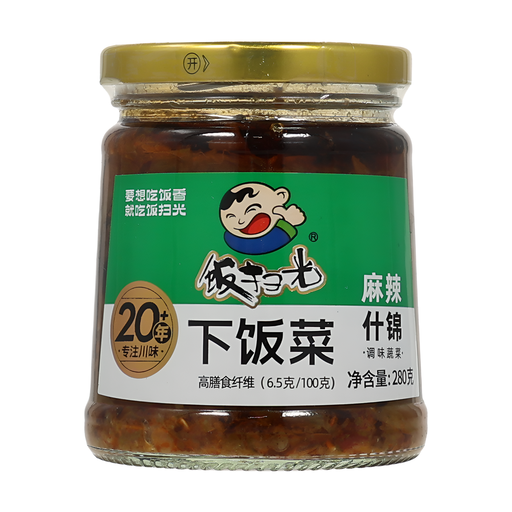
Why This Fits Their Persona: This is for the diner who wants to add a serious, flavourful kick to their meals. This Sichuan-style spicy pickle is perfect for spooning over rice, noodles or steamed buns, providing both heat and a satisfying crunch.
It avoids the "texture catastrophe" by using a thoughtful mix of vegetables known for their crunch, such as king oyster mushrooms, cowpeas and wood ear fungus. Preserving them in oil helps maintain their firm bite.
Delivers an authentic, multi-layered Sichuan flavour with chilli and Sichuan pepper. The varied vegetable mix provides a rich, interesting texture that isn't found in single-vegetable pickles.
We have compiled a complete, real-time list of products that fully satisfy these strict selection criteria and UK safety regulations.
This depends on the type. As a general guide, vinegar-based pickles and relishes, such as piccalilli or a sandwich pickle, should be kept refrigerated and will typically last for up to 6 weeks. Oil-based and fermented products like Chinese pickles or kimchi can have different shelf lives, so it is always advisable to check the packaging for specific storage instructions. To maximise freshness, always use a clean spoon or fork to take portions from the jar.
While the terms are often used interchangeably in casual conversation, there is a technical difference. 'Pickles' usually refer to whole vegetables or large chunks preserved in a brine or vinegar (e.g., pickled onions or gherkins). A 'relish', on the other hand, typically consists of finely chopped vegetables cooked in a sauce, which is often sweet and sour. By this definition, many popular brown sandwich pickles are technically relishes due to their texture and consistency.