Hosts packing for 3–4 people
A ready-to-eat four-pack is a practical format for a small picnic group. Sainsbury’s and Waitrose both list four-pack croissants with cool, dry storage guidance; use a cool bag if you add chilled fillings.


For a summer picnic, a ready-to-eat four-pack is the simplest option when you want to serve croissants straight from the basket. Loose bakery croissants suit small quantities and prompt eating, while frozen bake-at-home packs work only when you have time to bake and cool them before leaving; chilled fillings need a cool bag or box.
A ready-to-eat four-pack is a practical format for a small picnic group. Sainsbury’s and Waitrose both list four-pack croissants with cool, dry storage guidance; use a cool bag if you add chilled fillings.
One loose bakery croissant each or a two-pack can help avoid surplus pastries. Check counter allergen information carefully where avoiding a particular allergen is essential.
A frozen bake-at-home multipack can suit a larger group when you have an oven, time to bake fully and time for the croissants to cool before transport.
Start with whether the croissants can be served as bought, then match the pack size and allergen information to your group and picnic plan.
| Priority | What to check | Your needs |
|---|---|---|
| Ready to eat or bake first | Look for a ready-to-eat statement or hot-or-cold serving guidance. Frozen dough must be baked before the picnic. | I want to unpack and serve without using an oven at the destination. |
| Pack size | Compare the stated number of croissants, not just the pack format. Two-, four-, six- and eight-piece options suit different group sizes. | For two people, a smaller pack may be enough; for a group, I need enough portions without carrying unnecessary leftovers. |
| Allergen information | Read the exact pack or counter label for wheat, milk, egg, nuts and cross-contact warnings. Recipes and labels can change. | I need product-specific information rather than assuming an all-butter croissant will suit an allergy requirement. |
| Filled croissants in warm weather | Follow the storage instructions for the pastry. Keep fillings normally stored in the fridge in a cool bag or cool box with ice or frozen gel packs. | If I am making croissant sandwiches with dairy, meat, spreads or prepared salad, I need a plan to keep the fillings cool until serving. |
A frozen croissant pack may contain raw dough that must be baked and kept frozen before preparation.
Choose a ready-to-eat pack for same-day outdoor serving. Choose frozen croissants only when you can bake them at home before departure.
Without enough time or an oven, the croissants may not be ready for the picnic.
Verified examples contain wheat, milk and egg, while loose or counter-served products can also carry cross-contact warnings or nut information.
Read the label or counter information for the exact item and do not rely on the words “all butter” for an allergy decision.
Plain pastry may have cool, dry storage guidance, but fillings such as dairy, meat, spreads and prepared salads normally need refrigeration.
Pack filled croissants in a cool bag or cool box with ice or frozen gel packs, keep it closed and take food out when needed.
Warm conditions can make chilled fillings unsuitable for serving.
Short-lived retailer offers can change, and a lower displayed price may depend on eligibility.
Check the shelf label, online basket or store app on the day, and compare the pack size as well as the price per croissant.
M&S is relevant for loose in-store bakery croissants and frozen bake-at-home multipacks.
Tesco Finest provides a premium own-label four-pack option in Tesco’s croissant category.
Sainsbury’s offers a ready-to-eat premium four-pack for a small picnic group.
Waitrose offers a standard four-pack for hot or cold serving and a No.1 two-pack for a smaller purchase.
Asda is relevant for a frozen all-butter bake-from-frozen option.
Lidl is relevant for an individual all-butter croissant bought in store.
Joybuy options in this selection are frozen bake-at-home croissants for hosts who can prepare food before leaving for the picnic.
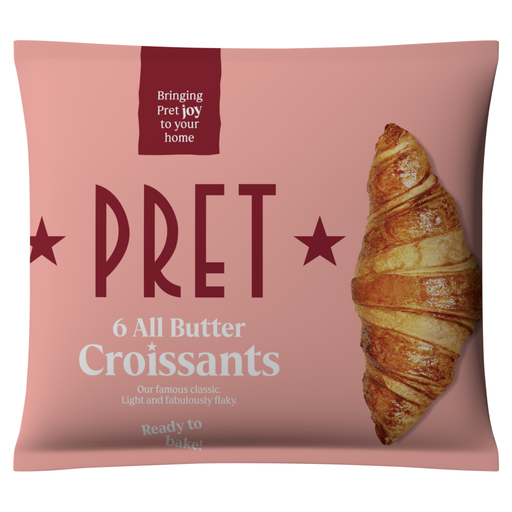 No image available
A frozen plain-croissant option for a host who can bake before departure.
Stated 24% butter content; bake from frozen for 20 minutes.
Keep frozen at -18°C or colder and do not refreeze once thawed. Contains wheat, gluten, milk and egg; may contain nuts, sesame and soya.
Check the pack count before planning portions for your group.
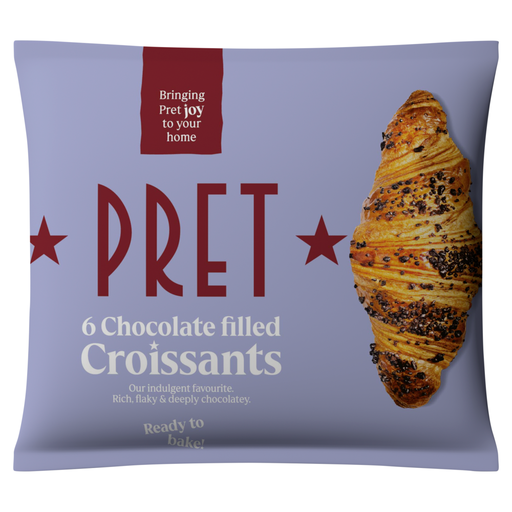 No image available
A six-piece sweet pastry option for a group when you can prepare it at home.
Chocolate-filled croissants with stated 22-minute oven instructions from frozen.
Keep frozen at -18°C or colder and do not defrost before cooking. Contains wheat, milk, egg and soya; not suitable for nut and sesame allergy sufferers.
The chocolate filling makes this a sweet alternative rather than a plain croissant option.
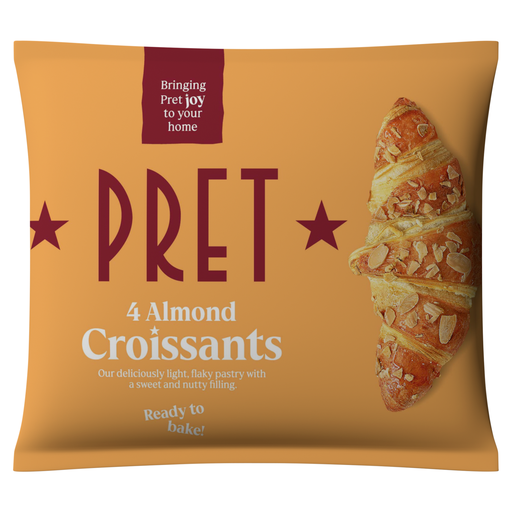 No image available
A frozen almond pastry option for a picnic group that can bake before leaving.
Almond filling and flaked almonds; intended for bake-at-home use.
Keep frozen at -18°C or colder and do not refreeze once thawed. Contains almonds, wheat, gluten, milk and egg; may contain other nuts, sesame and soya.
Check the cooking instructions and pack count before planning preparation and portions.
Follow the product’s storage instructions. The Sainsbury’s and Waitrose packaged examples have cool, dry storage guidance, but croissants filled with foods normally kept refrigerated should go in a cool bag or box with ice or frozen gel packs.
Keep chilled sandwich fillings cold until serving. The Food Standards Agency advises that bacterial risk increases after four hours or more at warm temperatures of 8°C and above in England, Northern Ireland and Wales; in extremely hot weather, use food that has been out of the fridge within two hours. Food Standards Scotland advises eating ready-to-eat foods within four hours of removal from the fridge.
Do not make a general assumption. Verified standard products list wheat, milk and egg, so check the physical pack for the exact product. UK food businesses are required to provide allergen information to consumers.
Yes, but only if you can bake it before leaving. M&S states that its eight-pack is raw, must be baked and stored frozen at -18°C, so bake and prepare it at home rather than expecting to cook it at the picnic location.
Choose the format that gives you enough product-specific allergen information for the person’s requirement. Prepacked products provide packaging information, while M&S warns that its in-store bakery area uses several allergens and cannot guarantee the absence of traces.