Organic-first dairy shoppers
If you want dairy milk with a product-level organic claim, an organic UHT carton can be a base for a homemade shake. Check the pack’s certification information and plan how you will keep the finished drink cool.


If organic sourcing matters most, choose an organic-labelled dairy milk or plant drink and make the milkshake yourself, checking the certification information on the exact pack. A ready-to-drink UHT milkshake avoids preparation, but its brand or flavour does not establish that it is organic; whichever route you choose, follow the label and keep prepared or opened drinks cool at the picnic.
If you want dairy milk with a product-level organic claim, an organic UHT carton can be a base for a homemade shake. Check the pack’s certification information and plan how you will keep the finished drink cool.
An organic soya or oat drink offers a plant-based base you can blend or flavour yourself. Check the exact drink’s ingredients, allergens and nutrition panel: dairy-free does not mean free from other allergens.
A ready-to-drink UHT milkshake removes the need to blend at the picnic. Confirm whether the exact bottle is organic if that matters to your group, and follow its instructions once opened.
Choose between making a shake and serving one straight from the bottle, then check organic status, ingredients and storage on the exact product.
Choose when: Organic dairy matters and you can make the milkshake yourself.
Trade-off: Plain milk still needs flavouring or other ingredients, and the prepared shake needs cold storage.
Choose when: You want a dairy-free base with an organic product claim.
Trade-off: You must make the shake, and ingredients, allergens and nutrition differ between soya and oat drinks.
Choose when: Serving without preparation matters more than choosing the shake’s ingredients.
Trade-off: Check the exact bottle for an organic claim rather than assuming that a ready-made milkshake has one.
| Priority | What to check | Your needs |
|---|---|---|
| Organic status | Check the organic claim on the exact product and its control-body information. The Department for Environment, Food & Rural Affairs’ UK labelling guidance sets conditions for an organic food label, including certification and at least 95% organic agricultural ingredients. | I want the drink I serve to qualify as organic, not just to contain an organic ingredient or have a natural-sounding name. |
| Picnic storage | Read the unopened and after-opening instructions separately. GOV.UK advises keeping dairy foods that normally need refrigeration cool at a picnic; a cool bag or box with ice packs helps with prepared drinks. | Will I open or blend the drink before leaving, or can I carry its unopened carton and prepare it closer to serving? |
| Allergens | Read the current ingredients and allergen statement. UK government allergen guidance identifies milk and soya among the allergens that must be declared when they are ingredients in prepacked food. | Someone in our group needs to avoid milk, soya or another ingredient, and I need to check the particular product and anything added during blending. |
| Nutrition label | Compare sugars and protein per 100ml, then consider the amount you will pour. Check calcium and vitamin information rather than assuming that dairy and plant drinks have the same composition. | Organic or dairy-free wording alone does not tell me what is in the finished serving, especially if I add fruit or flavouring. |
| Preparation | Decide whether you can bring ingredients and mixing equipment or need a bottle you can serve directly. Check whether the chosen ready-made drink needs chilling before serving. | For a group picnic, I may prefer fewer preparation steps; if organic sourcing takes priority, I can make the shake in advance and pack it cold. |
An organic ingredient or a familiar dairy brand does not establish that the finished milkshake is labelled organic.
Check the claim and certification information for the exact carton or bottle. If you make a shake, check the other ingredients too before describing the finished drink as organic.
Unopened storage and storage after opening are different. GOV.UK’s picnic guidance says dairy products normally kept in the fridge must stay cool outdoors.
Follow the product label, keep prepared or opened drinks in a cool bag or box with ice packs, and pour only what you are ready to serve.
Those descriptions do not tell you the sugars, protein or added nutrients in a serving.
Compare labels per 100ml and check the amount you intend to pour. Include any ingredients added to a homemade shake in that comparison.
A soya-based drink avoids dairy but still contains soya. Ingredients added to a homemade shake can introduce other allergens.
Read the current packaging and keep it available when serving. Use separate, clean equipment where cross-contact matters for someone in your group.
These examples illustrate different bases and ready-made drinks; a brand name alone does not establish the organic status or storage instructions of every variant.
A dairy-base example for shoppers making their own shake.
A plant-drink example for making a dairy-free shake.
An organic oat-drink example for a homemade plant-based shake.
A ready-to-drink option when preparation is the main inconvenience.
A ready-to-drink milkshake brand appearing in the supplied Tesco and Sainsbury’s category listings.
A ready-to-drink milkshake brand represented in chilled-drink listings.
A chocolate milk-drink example for shoppers considering a ready-made bottle.
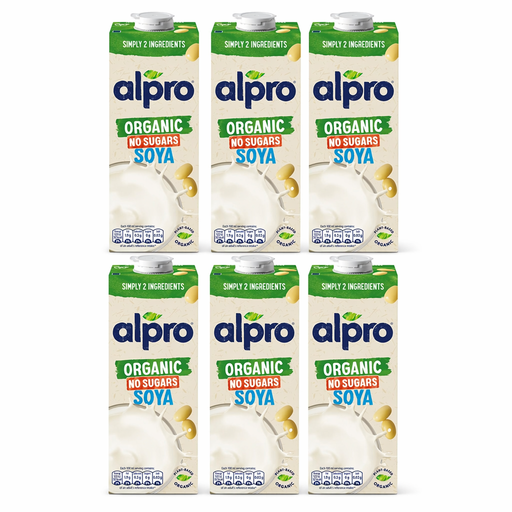
This soya-drink option is a base for making a picnic milkshake, rather than a shake ready to serve.
 No image available
Use this soya drink as a base if you plan to make the shake yourself. Check the current pack’s organic certification, allergen statement and unopened storage instructions before relying on it for the picnic; keep the prepared drink cool.
Check the organic claim and certification information on that exact product. The Department for Environment, Food & Rural Affairs’ UK guidance says an organic food label depends on organic production rules, at least 95% organic agricultural ingredients and certification by an approved control body; an organic milk base does not automatically make every finished flavoured drink organic.
Yes, when the particular carton’s instructions allow storage unopened without refrigeration. Sainsbury’s listing for Yeo Valley Organic long-life semi-skimmed milk says to keep it in a cool, dry place and chill before opening. Follow the carton’s instructions once opened, and keep a prepared shake cool.
Pack a prepared dairy milkshake in a cool bag or box with ice or frozen gel packs, rather than leaving it warm on the picnic table. GOV.UK says dairy foods normally refrigerated at home need to be kept cool at a picnic; Food Standards Scotland also advises keeping picnic food cold and eating ready-to-eat food within four hours of removing it from the fridge.
No. An organic soya drink can be dairy-free while still containing soya. UK government allergen guidance identifies both milk and soya among allergens that must be declared when they are ingredients in prepacked food, so check the current pack and anything added to the shake.
Do not assume so. Compare protein and any stated calcium or vitamin content on the exact cartons you are considering; Ocado’s information for Oatly Organic Oat Drink discusses limits on fortifying organic plant drinks. Also check the nutrition of anything you add when making the shake.