Picnic batch bakers
If you want to bake one large rice pudding or several portions, your dish needs to fit the usable cavity, shelf or turntable. The appliance also needs to suit the amount you plan to make.


Choose an oven by the size of your oven-safe rice pudding dish and the number of portions you want to take to the picnic, then decide which appliance format fits your kitchen. A built-in oven is a route for regular batch baking if you have compatible housing; a mini oven can suit a smaller kitchen, while a convection combination microwave adds reheating functions. In every case, check usable dish clearance rather than relying on capacity in litres.
If you want to bake one large rice pudding or several portions, your dish needs to fit the usable cavity, shelf or turntable. The appliance also needs to suit the amount you plan to make.
If a full kitchen refit is out of the question, compare worktop space and dish clearance alongside the appliance’s placement and electrical requirements.
If you also want to reheat or cook other food, a combination appliance may appeal. Check that it has a convection-bake mode and that your pudding dish is suitable for that mode.
For picnic rice pudding, decide how much you need to bake before choosing between a fitted oven and a worktop appliance. The formats differ in where they go and what else they can do, but none removes the need to measure your dish.
Consider it when: You bake larger batches regularly and have compatible kitchen housing.
Trade-off: Installation and electrical requirements make this a fitted-kitchen decision, not a worktop swap.
Consider it when: You want a separate baking cavity without fitting a full-size oven.
Trade-off: A compact cavity and worktop footprint both limit where the oven and pudding dish can go.
Consider it when: You want to convection-bake the pudding and use the same appliance for microwave reheating.
Trade-off: The baking mode, permitted cookware and turntable or cavity clearance need checking together.
| Concern | What to check | Who this matters to |
|---|---|---|
| Dish fit and portions | Measure the dish’s outside width, depth and height, including any handles. Compare them with usable cavity, shelf or turntable dimensions. | If I am taking pudding for a group, I need my intended dish to fit without cutting down the batch. Around 44% of consumers put dish fit and portion capacity first. |
| Kitchen and electrical fit | Check appliance dimensions, ventilation clearance and the manufacturer’s connection instructions. For a built-in oven, check cabinet and circuit requirements too. | With limited kitchen space, I need an appliance I can place or install safely before its extra functions matter. Kitchen and electrical fit come first for around 33% of consumers. |
| Baking and broader use | Confirm a fan-assisted or convection-bake mode, a suitable recipe temperature range and cookware rules; compare the cleaning approach if that matters to you. | If I will use the appliance beyond picnic puddings, I want its baking mode and other functions to suit those meals. Around 23% of consumers prioritise that versatility and day-to-day convenience. |
A stated capacity cannot tell you whether a particular rectangular dish, its handles or the clearance above it will fit. Turntables make shape especially important.
Measure your oven-safe dish and compare it with the exact model’s cavity, shelf and turntable information before ordering.
Cabinet dimensions and electrical connections vary. NEFF specifies electrician connection and no plug for its B3ACE4AG3B built-in oven; that requirement should not be assumed to apply to every model.
Check the exact installation diagram, housing dimensions and connection instructions, and arrange qualified electrical advice where needed.
Cabinet alterations or an electrician’s visit can add work before the oven is ready to use.
A combination appliance needs a stated convection-bake function for this oven-style use; microwave and grill functions alone do not establish that it can bake your pudding as intended.
Check the convection temperature range and follow the appliance’s cookware instructions for that mode.
Electrical Safety First warns that sharing an extension lead with high-power appliances can overload it and create a fire risk.
Follow the oven’s placement and power instructions. If you are unsure whether the existing circuit is suitable, ask a qualified electrician.
These brands illustrate different oven formats; the features below apply to the named ranges or models, not to every appliance carrying the brand.
A built-in-oven reference for a compatible fitted kitchen. Beko UK describes single-oven capacities ranging from 65L to 82L, alongside compact and double-oven formats.
A combination-microwave reference for buyers who want convection baking alongside other cooking functions.
A countertop mini-oven reference when fitting a full-size oven is not the plan.
These choices cover fitted single and double ovens, plus a convection combination microwave. Compare them with your dish and kitchen requirements; the mini-oven route discussed above remains a separate format to consider.
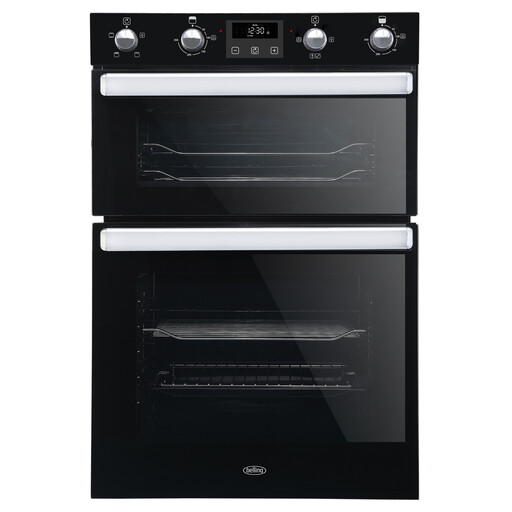 No image available
Consider this double-oven format if you want a fitted appliance with separate cooking cavities for regular baking. Measure your pudding dish against the usable cavity and shelf space, and check the housing and electrical instructions before ordering.
 No image available
Consider this worktop route if you want convection cooking as well as microwave reheating. Its stated microwave output is 900W; check the convection settings separately, along with dish clearance and cookware instructions for baking.
 No image available
A fitted single oven is worth considering for regular pudding baking in a compatible kitchen. Check the usable shelf space against your dish and confirm the cabinet and electrical connection requirements; the product information calls for hardwiring.
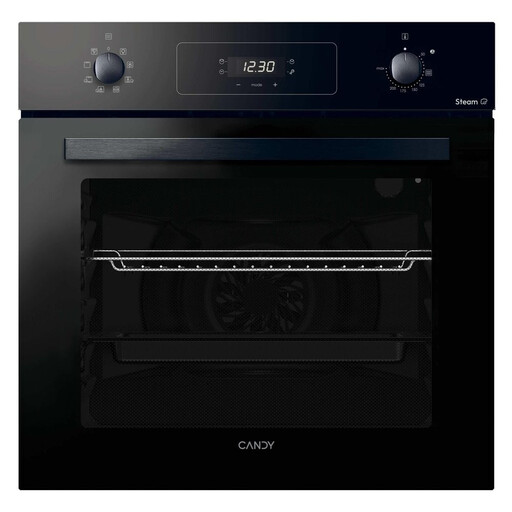 No image available
This fitted single-oven format may suit a kitchen already set up for a built-in appliance. Its stated 65L capacity is not a dish measurement: check internal clearance, cabinet fit and the exact connection instructions before buying.
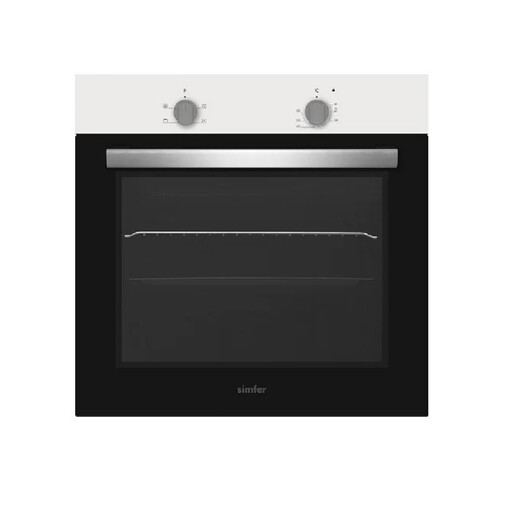 No image available
Consider this single-oven format if you have a suitable fitted-kitchen space. Confirm the installation cut-out and usable shelf clearance rather than using outer dimensions to judge whether your pudding dish will fit; check the plug and power instructions too.
A built-in single oven is a practical route if you bake large dishes regularly and have compatible housing, but check the dish against its usable cavity and shelf dimensions. Beko UK describes its single-oven range as 65L–82L; that capacity figure alone does not establish which dish will fit.
Yes, if the model has a convection-bake function and its instructions permit your cookware in that mode. Panasonic UK & Ireland specifies convection-bake settings of 40°C and 100–220°C for the NN-CD88; do not assume a microwave-only model offers the same function.
That depends on the exact oven and your kitchen connection. The NEFF B3ACE4AG3B is specified without a plug and calls for electrician connection, while Electrical Safety First advises qualified help when installation or circuit suitability is uncertain.
Do not assume an extension lead is suitable. Electrical Safety First warns that sharing one with high-power appliances can cause an overload and fire risk; follow the oven manufacturer’s power instructions and seek qualified advice if the circuit is uncertain.