Low-prep picnic packers
An unopened tin can be stored in a cool, dry place before the picnic, then opened when you are ready to make sandwiches, wraps or salads. Prepared food and any opened salmon still need chilled handling.


Choose an unopened tin when you want to make sandwiches or salads close to serving time without thawing or cooking salmon. Frozen fillets suit a cook-ahead picnic if you can follow the pack's cooking directions, chill the cooked fish and carry it cold. Once a tin is opened or salmon is cooked, treat it as chilled picnic food rather than a cupboard-stored item.
An unopened tin can be stored in a cool, dry place before the picnic, then opened when you are ready to make sandwiches, wraps or salads. Prepared food and any opened salmon still need chilled handling.
Frozen fillets fit a plan that includes cooking before the picnic, chilling the cooked salmon and taking it in a cool bag or cool box. Follow the cooking directions for the particular pack.
A skinless-and-boneless tin can mean less sorting when making a filling. Check the exact label: Marks & Spencer warns that small bones may remain in its skinless-and-boneless Wild Alaskan Red Salmon.
Decide whether the meal needs flaked salmon assembled near serving time or cooked fillets prepared ahead. Then consider how the food will travel and how much preparation the chosen pack requires.
| Concern | What to check | Who this matters to |
|---|---|---|
| Preparation time | Choose between a tin you can open near serving time and fillets that need cooking beforehand. Check the pack size for the meal you are making. | If I am making sandwiches shortly before lunch, I want salmon that needs no thawing or cooking. About 33% of consumers put quick assembly first. |
| Chilled transport | Plan a cool bag or cool box with ice or frozen gel packs for cooked salmon, opened tins and prepared fillings. | If I cook fillets in advance, I need to chill them and keep them cold on the journey. For about 27% of consumers, that transport plan is the primary concern. |
| Skin and bones | Read the exact format and bone statement; a skinless-and-boneless label may still warn about small bones. | For a sandwich filling that needs less sorting, I would look for a skinless-and-boneless tin while still checking for bones. Around 20% of consumers chiefly want to minimise that preparation. |
| Portion and label details | Compare pack size, any stated drained weight, ingredients and nutrition information for the specific product. | If I need enough salmon for the planned servings without unwanted leftovers, the usable amount matters more than the pack size alone. Portion and label details come first for about 20% of consumers. |
Cupboard storage applies before opening. Marks & Spencer instructs buyers of its listed tinned salmon to transfer unused contents to a non-metallic container, refrigerate them and eat them within 24 hours.
Choose a tin you expect to finish, or bring a suitable container and keep unused salmon chilled. Follow the time stated on your own pack.
Without a way to chill leftovers, some of the fish may have to be discarded.
Frozen fillets are not ready to add straight to a cold picnic dish. Tesco's Wild Salmon Fillets, for example, have preparation directions that differ according to whether the fish is chilled or frozen.
Check your pack's directions before cooking. If the cooked salmon will be served cold, chill it and carry it in a cool bag or cool box with ice or frozen gel packs, as advised by the Food Standards Agency.
This route also needs time for cooking and chilling, plus equipment for cold transport.
Marks & Spencer says small bones may remain in its skinless-and-boneless Wild Alaskan Red Salmon despite care taken to remove them.
Read the statement on the particular tin and check the fish as you prepare it when bones matter to the people eating.
A tin's stated weight does not by itself tell you its drained quantity or how well it fits the number of servings you plan. Formats also differ in whether skin and bones need attention.
Check any drained-weight declaration and the format on the actual label, then choose an amount you can use while following its after-opening instructions.
Princes lists red and pink tinned salmon options. Its Wild Pacific Red Salmon comes in 105g and 213g sizes.
Tesco lists tinned pink and red salmon, including skinless-and-boneless formats, as well as frozen salmon fillets.
Marks & Spencer lists 105g Wild Alaskan Red Salmon in standard and skinless-and-boneless formats.
Sainsbury's lists Wild Pacific red and pink tinned salmon, including skinless-and-boneless options.
Tesco's tinned-salmon listings include John West red and pink salmon and skinless-and-boneless wild pink salmon multipacks.
These selections cover two picnic plans: an unopened tin for low-prep assembly and frozen fillet steaks for a meal cooked ahead and carried chilled.
 No image available
A tinned option for making a picnic filling close to serving time without cooking salmon first. The pack is 213g; check its label for the drained quantity and skin-and-bone format if either affects your serving plan. Keep prepared food and any opened salmon chilled, and follow the pack's directions for leftovers.
 No image available
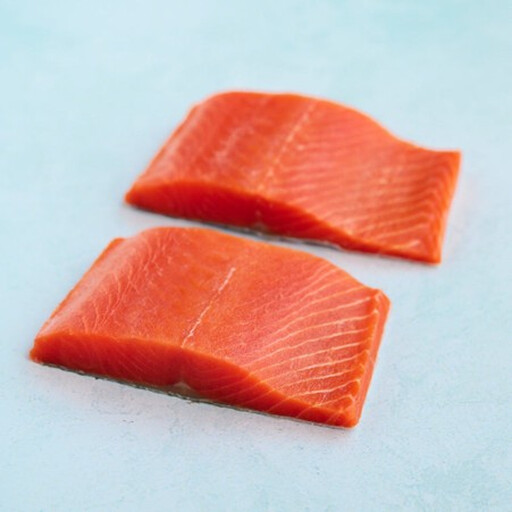
Frozen fillet steaks for a picnic dish you can cook before leaving, then chill and transport cold. The pack is 220g, and the fillets are skin-on. Check the package directions for thawing and cooking before you prepare them; they are not ready to eat straight from the frozen pack.
Take an unopened tin if you want to assemble food near serving time without cooking salmon. Choose frozen fillets if you can cook them according to their pack, chill the cooked fish and keep it cold on the way to the picnic.
Carry it as chilled food. The Food Standards Agency advises using a cool bag or cool box with ice or frozen gel packs for foods that need to stay cold at a picnic; keep the container closed and out of direct sun.
Follow the directions on the particular tin rather than leaving leftovers in it by default. Marks & Spencer instructs buyers of its listed tinned salmon to move unused contents to a non-metallic container, refrigerate them and eat them within 24 hours of opening; other products may give different instructions.
The NHS classifies salmon as oily fish. For a particular tin, read its own ingredients and nutrition information rather than assuming that all salmon products have the same composition.