Picnic planners comparing total fat
If reducing total fat is the main aim, compare the per-100g figures across bars of different sizes. A fruit, oat or protein format does not establish whether a particular bar is low in fat.


For a picnic bar with less total fat, compare labels per 100g rather than relying on words such as “light”, “no added sugar” or “high protein”. Eat Natural Red Fruits Soft Fruit Bar has the lowest fat value of four researched bar examples at 6.4g per 100g, but it exceeds the NHS low-fat benchmark of 3g per 100g. If you specifically want a bar labelled “reduced fat”, check the pack’s comparison with a similar product: the British Nutrition Foundation describes that claim as at least 30% less fat, not necessarily a low total-fat value.
If reducing total fat is the main aim, compare the per-100g figures across bars of different sizes. A fruit, oat or protein format does not establish whether a particular bar is low in fat.
When choosing for a restricted diet or someone with an allergy, read the ingredients and allergen declaration on the exact current pack. A vegan or gluten-free description does not replace that check.
A protein bar may fit a different picnic preference from a lower-fat bar. Compare its protein and fibre figures alongside total fat rather than treating one claim as an answer to the other.
Start with the nutrient you want to compare, then check the portion, any front-of-pack claim and the ingredients of the exact bar.
| Priority | What to check | Your needs |
|---|---|---|
| Total fat | Compare total fat per 100g across different bar sizes. The NHS defines low total fat as 3g or less per 100g; check the per-bar figure separately for the portion you will pack. | I want to compare bars fairly, even when one looks lower in fat simply because it is smaller. |
| Fat claims | Look for a claim about fat itself and its comparison product. The British Nutrition Foundation describes “reduced fat” as at least 30% less fat than a similar product; it does not mean the bar meets the NHS low-fat benchmark. | If I am shopping for a reduced-fat claim, “less sugar”, “no added sugar” and “light” are not substitutes for checking total fat. |
| Protein and fibre | Read the protein, fibre and total-fat figures together. Nature Valley UK lists around 10g protein and 4g fibre per 40g Protein Salted Caramel Nut bar, alongside 29.5g fat per 100g. | Protein or fibre matters to me, but I still want to see how that bar fits a lower-fat comparison. |
| Ingredients and allergens | Check the exact current ingredient list, allergen declaration and any precautionary wording before packing bars for other people. Dietary labels apply to the named product, not every bar in a brand’s range. | For a shared picnic, I need each person to be able to check the wrapper against their own dietary requirements. |
Claims describe different parts of a bar’s nutrition. Tesco lists 22g fat per 100g for Graze Honey Oat Boost, despite its “45% less sugar” wording.
Read total fat per 100g, then check separately whether the pack makes a reduced-fat claim.
A smaller portion can have a lower per-bar figure without having a lower concentration of fat than another product.
Compare bars per 100g first, then use the per-bar figure for the portion you intend to bring.
Sainsbury’s lists Eat Natural Red Fruits Soft Fruit Bar at 6.4g fat and 48.1g sugars per 100g. Tesco lists Nākd Berry Delight at 12g fat and 48g sugars per 100g. The nutrient that matters to your choice may differ between bars.
Compare the fat, saturates, sugars and salt shown on the packs rather than judging by the bar’s style or ingredients pictured.
Ingredients and precautionary allergen statements can differ between products, including bars within one brand.
Read each exact pack before purchase and keep its wrapper available at the picnic.
A brand name or range description cannot settle a fat comparison; the figures below refer to the named products.
Graze’s Oat Boost range uses sugar-focused wording rather than a reduced-total-fat claim.
Its reviewed oat and protein bars offer different formats for a picnic.
The Red Fruits Soft Fruit Bar is a fruit-bar example for comparing total fat with other picnic bars.
Nākd describes its fruit-and-nut bars as suitable for vegan, gluten-free, wheat-free and dairy-free diets.
TREK’s Biscoff Protein Flapjack is a plant-protein flapjack option rather than an established lower-fat choice.
Alpen’s current product page presents Original and No Added Sugar mueslis.
These Joybuy options include cereal bars, a fruit-and-nut bar, a toddler-labelled oat bar and fruit yoyos, which are not a bar. Compare each exact pack’s total fat per 100g and ingredients before deciding whether it meets your picnic requirements; “light” in a name does not establish a reduced-fat claim.
 No image available
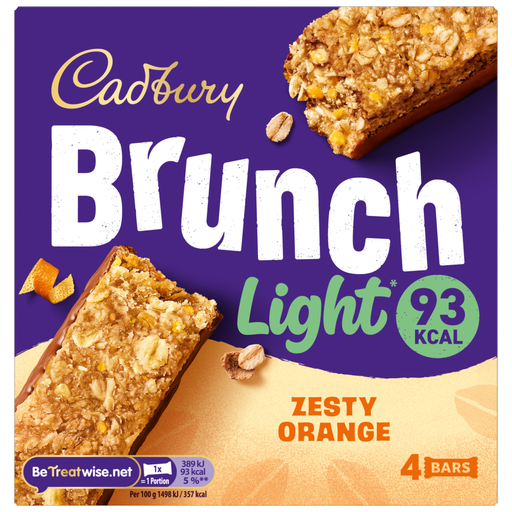
This cereal-bar format is an option when you want portioned snacks for a picnic. Use the pack’s per-100g nutrition panel to compare fat with other bars, and check its ingredients for anyone sharing them.
 No image available
If this cereal bar’s format suits your picnic, check its total fat per 100g against the other options. “Light” is part of its product name; read the pack rather than assuming it makes a reduced-fat claim.
 No image available
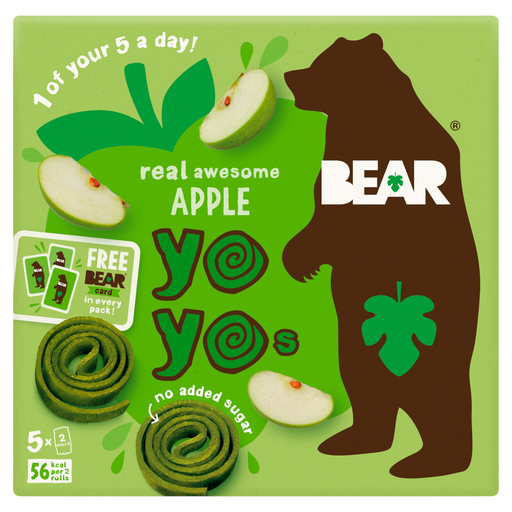
Fruit yoyos offer a different picnic-snack format, not a cereal, oat or protein bar. If that format works for your group, compare the pack’s nutrition and ingredient information on its own terms.
 No image available
This fruit-and-nut bar format may suit a picnic where bars are packed individually. Check the exact Blueberry Muffin pack for total fat, ingredients and allergen wording rather than applying figures from another Nākd flavour.
 No image available
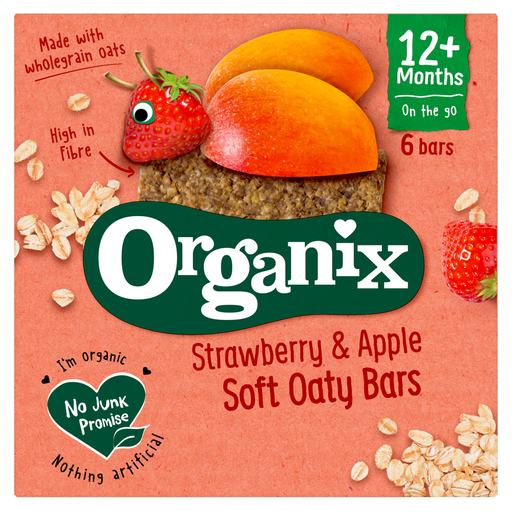
This soft oat-bar pack is labelled for ages 12 months and over, so consider it in that context rather than as a general adult bar. Check its current nutrition and ingredients if it is relevant to your picnic.
No. The British Nutrition Foundation describes “reduced fat” as at least 30% less fat than a similar product, while the NHS defines low total fat as 3g or less per 100g. A bar can meet a relative reduced-fat comparison without meeting that low-fat benchmark.
Eat Natural Red Fruits Soft Fruit Bar has the lowest per-100g fat figure of the four researched bar examples: Sainsbury’s lists 6.4g, compared with Tesco’s 12g for Nākd Berry Delight and Nature Valley UK’s 18.1g for Crunchy Oats & Honey and 29.5g for Protein Salted Caramel Nut. The Eat Natural bar still exceeds the NHS low-fat benchmark of 3g per 100g; these figures do not rank every bar on the page.
No. No-added-sugar wording concerns sugar, not total fat. Tesco lists Nākd Berry Delight, labelled no added sugar, at 12g fat per 100g; check the fat figure on the particular bar you plan to buy.
Read the exact current packs for ingredients, allergens, precautionary statements and storage instructions, and keep the wrappers available at the picnic. Do not assume that a dietary description or another flavour’s label applies to the bar you packed.