Picnic organisers reducing sugar
If you want a flavoured drink without choosing a sugary squash, compare the sugars and energy listed for a diluted serving. A no-added-sugar label alone does not tell you that every flavour has the same nutrition.


Keep water available as the main picnic drink. If guests want squash and reducing sugar matters, choose a no-added-sugar variety over a sugary one, then compare nutrition for the diluted drink and follow the bottle’s mixing instructions. Check ingredients and age guidance for everyone you plan to serve.
If you want a flavoured drink without choosing a sugary squash, compare the sugars and energy listed for a diluted serving. A no-added-sugar label alone does not tell you that every flavour has the same nutrition.
Keep water available and check the exact squash bottle before serving it to a child. Some products give extra-water instructions for toddlers or carry an age warning.
Sugar is only one consideration if someone has an allergy, intolerance or other ingredient restriction. Read the current label for the flavour you buy: the product examples from Sainsbury’s and Ocado include formulations with sulphites or barley.
Choose when: Guests want a flavoured drink and reducing sugar is part of the picnic plan.
Check: Naturally occurring sugars, sweeteners and allergens still vary by product.
Choose when: Your group wants a particular product and reducing sugar is not the priority.
Consider: The NHS advises swapping sugary drinks for diet, sugar-free or no-added-sugar options when reducing sugar.
Choose when: You need a straightforward drink everyone can access without mixing squash.
Consider: Guests who want flavour can have squash separately, provided its ingredients suit them.
Once you have decided which drinks to bring, compare squash on its prepared-drink label and plan how you will mix and serve it at the picnic.
| Priority | What to check | Your needs |
|---|---|---|
| Prepared-drink nutrition | Compare sugars and energy for the same volume after dilution. Sainsbury’s lists 0g sugars and 3 kcal per diluted 250ml for Robinsons Orange No Added Sugar, but 0.8g sugars and 5 kcal per 250ml for its listed Vimto No Added Sugar product. | I want a flavoured option while paying attention to the sugar in the drink people will actually pour. |
| Mixing and servings | Check the stated water-to-squash ratio and number of servings, where given. Sainsbury’s lists 1 part Robinsons Orange to 4 parts water; Ocado lists 1 part M&S Summer Fruits to 9 parts water. | For a group picnic, I need to know how much prepared drink a bottle will make and have enough water to mix it. |
| Children’s instructions | Keep water available and read the exact bottle’s age guidance. Sainsbury’s Ribena Summer Fruits listing advises extra water for toddlers; Ocado’s M&S Summer Fruits listing says it is not suitable for babies. | If children are coming, I do not want to assume that every squash has the same serving instructions. |
| Ingredients and allergens | Read the current ingredients and allergen statement for the chosen flavour. Sainsbury’s lists sodium metabisulphite in Robinsons Orange and barley malt in its Vimto No Added Sugar product. | Someone in our group needs an ingredient check before I make a shared jug. |
Concentrates can have different mixing ratios. The Robinsons Orange and Ribena Summer Fruits examples listed by Sainsbury’s use 1 part squash to 4 parts water, while the M&S and Waitrose Summer Fruits examples give 1 part to 9 parts water.
Compare the dilution instructions and stated servings before deciding how many bottles to pack.
A no-added-sugar squash can still contain naturally occurring sugars. The Vimto No Added Sugar product listed by Sainsbury’s contains 0.8g sugars per 250ml prepared serving.
Use the prepared-drink nutrition panel for the specific flavour rather than relying on the front label alone.
Nutrition given for a prepared serving assumes a particular dilution. Using less water changes the drink you serve.
Follow the bottle’s ratio when mixing a jug, and keep plain water available alongside it.
Ingredients differ between flavours and recipes can change, which matters when someone has an allergy or intolerance.
Check the physical label on the bottle you bring before serving it.
These examples illustrate different labels and mixing instructions; check the particular bottle you intend to buy.
Robinsons Orange No Added Sugar is an example with nutrition stated for the diluted drink.
Tesco’s squash listing includes own-label no-added-sugar Quadruple Strength options in Apple & Blackcurrant, Lemon and Orange.
M&S Summer Fruits is a no-added-sugar squash with a stated 1:9 mixing ratio.
Waitrose Essential No Added Sugar Summer Fruits is a 1.5L double-strength example.
Sainsbury’s listings let shoppers examine specific branded squash examples, including Robinsons Orange, Ribena Summer Fruits and Vimto No Added Sugar.
These options are no-added-sugar squash concentrates for guests who want a flavoured picnic drink. They do not replace the decision to bring water or cover regular squash.
 No image available
An orange squash option when guests want flavour without added sugar. The matching Robinsons Orange product information lists 0g sugars and 3 kcal per 250ml diluted at 1 part squash to 4 parts water. It contains sweeteners and sulphites; check the bottle’s instructions and ingredients before serving, particularly to toddlers.
 No image available
A blackcurrant concentrate for a group that wants a no-added-sugar flavour option. Its product information states 18% blackcurrant juice and at least 4 parts water to 1 part squash; check the prepared-drink nutrition on the bottle for comparison. It lists sodium bisulphite and sweeteners, advises extra water for toddlers and says it is not recommended for children under 3.
 No image available
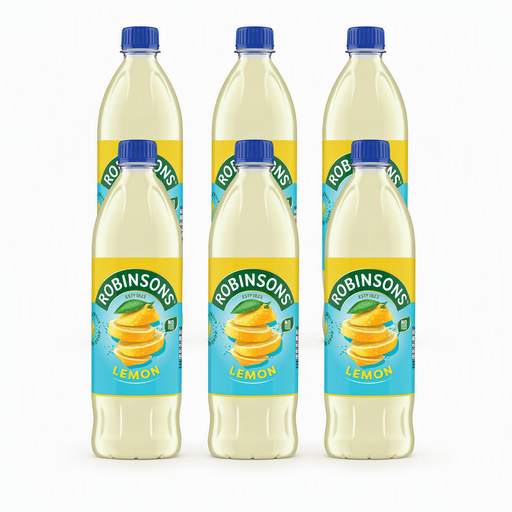
Six 1L bottles suit a plan that calls for several bottles of lemon squash. The product information states 10% lemon juice and lists aspartame and acesulfame K. Check the bottle’s dilution instructions and prepared-drink nutrition before working out servings or comparing it with another concentrate.
 No image available
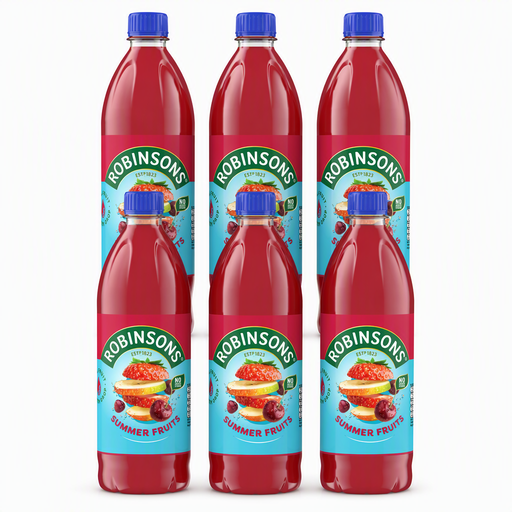
This six-bottle pack offers a summer-fruits flavour for a group. Its product information lists 5 kcal and 0.6g sugars per 250ml diluted and declares sulphites. Follow the bottle’s mixing instructions and check its serving yield when planning quantities.
 No image available
A single 1L bottle for a picnic group that prefers lemon squash. Its product information states 10% lemon juice and lists sweeteners. Check the bottle for its mixing ratio and prepared-drink nutrition before comparing it with another option; the product information also identifies a source of phenylalanine.
No. Fruit ingredients can contribute naturally occurring sugars. For example, Sainsbury’s lists 0.8g sugars per prepared 250ml serving for Vimto No Added Sugar, so check the nutrition panel for the diluted drink.
Compare nutrition for the same amount of prepared drink, then check each bottle’s dilution ratio and stated servings. A concentrate mixed at 1:4 and one mixed at 1:9 cannot be compared by bottle volume alone.
Keep water available and follow the age and dilution instructions on the particular squash bottle rather than assuming all products suit children in the same way. Sainsbury’s Ribena Summer Fruits listing advises extra water for toddlers, while Ocado’s M&S Summer Fruits listing says it is not suitable for babies.
Read the current label against guests’ specific restrictions. The product examples differ: Sainsbury’s lists sodium metabisulphite in Robinsons Orange and barley malt in Vimto No Added Sugar, while Ocado’s M&S Summer Fruits listing declares sulphites.