Picnic planners comparing sugar and calories
If you want a flavoured drink with lunch, compare figures for the squash as prepared. A no-added-sugar label alone does not tell you how much sugar is in the diluted glass.


For a picnic drink where declared sugars and calories matter, compare no-added-sugar squashes by the nutrition of the diluted serving: the claim on the bottle does not mean every prepared drink contains zero sugar. A double-strength concentrate can provide more servings from a smaller bottle if you bring enough water and follow its dilution ratio; a high-juice option may suit a preference for more fruit juice, but its prepared-serving figures can differ. Check the exact bottle’s sweeteners and allergens before packing it.
If you want a flavoured drink with lunch, compare figures for the squash as prepared. A no-added-sugar label alone does not tell you how much sugar is in the diluted glass.
A concentrate can make several drinks, but the bottle still needs to travel with enough water and something to mix or serve them in. Check the dilution and any instructions for children on the bottle you choose.
Ingredient lists differ between squashes, including no-added-sugar varieties. Check the exact flavour and pack for sweeteners and sulphites; the NHS says aspartame is unsuitable for people with phenylketonuria (PKU).
No-added-sugar, double-strength and high-juice describe different aspects of squash, so one bottle can fit more than one description. Start with the prepared drink, then check what carrying and mixing it will involve.
| Priority | What to check | Your needs |
|---|---|---|
| Prepared-drink nutrition | Compare sugars and kcal for the same prepared serving size, using each product’s stated dilution. Sainsbury's lists 0g sugars and 3kcal per diluted 250ml for Robinsons Orange No Added Sugar, against 2.4g sugars and 17kcal per prepared 250ml for its own no-added-sugar High Juice Orange. | I want to know what is in the drink I will actually pour, rather than rely on the words ‘no added sugar’. If fruit-juice content matters more to me, I can weigh that against the declared sugars per glass. |
| Servings and carrying | Check bottle size, servings at the label dilution and how much water you must bring. Sainsbury's lists 20 servings from the 1L Robinsons standard Orange bottle at 1:4 dilution and 40 from the 1L Double Strength Orange at 1:9. | For a group, I would rather carry concentrate and mix drinks if there is enough water and room for a serving bottle or jug. A higher serving count is less useful if I cannot make up the drinks at the picnic. |
| Ingredients | Read the current ingredients and allergen information for the exact variety. No added sugar does not mean no sweeteners; the NHS states that aspartame is unsuitable for people with PKU. | I need to check which sweeteners are used and whether the squash contains sulphites before sharing it with anyone whose ingredients need checking. |
| Drinks for children | Follow the chosen bottle’s dilution and age-related instructions. M&S says its Orange Squash is not suitable for babies and advises extra water if it is given to older children; instructions can differ by product. | I want water available alongside lunch, rather than relying on concentrate as the only drink. Northern Ireland public-health guidance advises limiting squash to mealtimes for children where possible. |
Fruit ingredients can contribute sugars to a prepared drink. Waitrose & Partners lists 0.8g sugars per diluted 250ml for Vimto No Added Sugar, while Sainsbury's lists 2.4g per prepared 250ml for its High Juice Orange No Added Sugar.
Read the ‘of which sugars’ figure and its serving basis on the exact bottle before comparing it with another squash.
Sainsbury's gives a 1:4 concentrate-to-water ratio for Robinsons standard Orange No Added Sugar and 1:9 for its Double Strength Orange. Using the standard ratio for the double-strength bottle changes the prepared drink and the number of servings.
Follow the ratio on the bottle you packed; a marked bottle can make the first mix easier to measure.
No-added-sugar varieties can use different sweeteners and contain sulphites. Ribena Blackcurrant No Added Sugar lists aspartame and sodium bisulphite on the Sainsbury's product information; the NHS says aspartame is unsuitable for people with PKU.
Check the current ingredients and allergen information for each flavour and size rather than assuming that one brand’s varieties are interchangeable.
Concentrate cannot be served as directed without water, and making drinks for several people also calls for a suitable bottle, jug or cups. Bottle size alone does not tell you how convenient it will be to carry.
Match the pack to your group, available water and bag space, and bring plain water separately.
These examples illustrate label and format differences; a brand name does not establish the ingredients or prepared-drink nutrition of every variety it sells.
The Orange No Added Sugar examples listed by Sainsbury's include standard and double-strength 1L concentrates.
Tesco Groceries lists own-label no-added-sugar squash in quadruple-strength varieties and a Stockwell & Co double-strength Orange variety.
Its no-added-sugar High Juice Orange is an option for shoppers specifically interested in fruit-juice content.
M&S lists double-strength Orange Squash alongside high-juice options.
Waitrose & Partners lists Essential no-added-sugar squash, High Juice varieties and branded concentrates, including compact Robinsons Mini products.
Asda has a no-added-sugar squash product in its grocery range.
These no-added-sugar concentrates offer flavours and pack sizes to consider for a picnic where you can bring water for mixing. Check each selected bottle’s label before planning servings or comparing prepared-drink nutrition.
 No image available
A 1L orange concentrate for a picnic where you can mix drinks with water. Sainsbury's lists 0g sugars and 3kcal per diluted 250ml for Robinsons Orange No Added Sugar; follow the directions and check the ingredients on the bottle you receive.
 No image available
A 1.5L blackcurrant concentrate if you are packing drinks for several people. Check this pack’s dilution and prepared-serving nutrition when deciding how much water to bring; read its ingredients if aspartame or sulphites matter to your group.
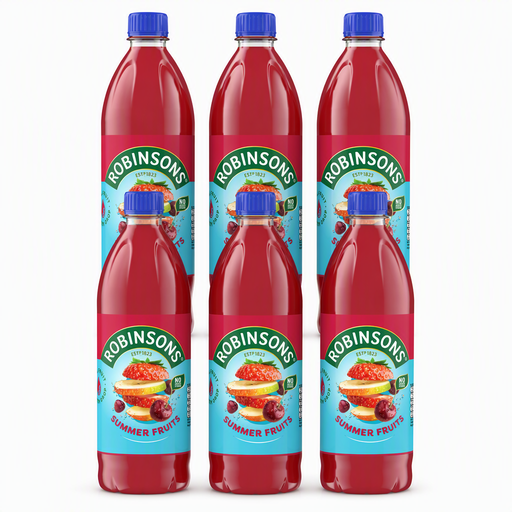 No image available
The six-bottle pack may suit a larger gathering or drinks needed beyond one picnic, but consider how much of it you want to carry. Read the current pack’s dilution and prepared-serving sugar figures before working out quantities.
 No image available
This single 1L summer-fruit bottle is an alternative to carrying the six-pack. Use its own dilution instructions, and check the current nutrition and ingredient panels if you are comparing prepared servings or avoiding particular sweeteners.
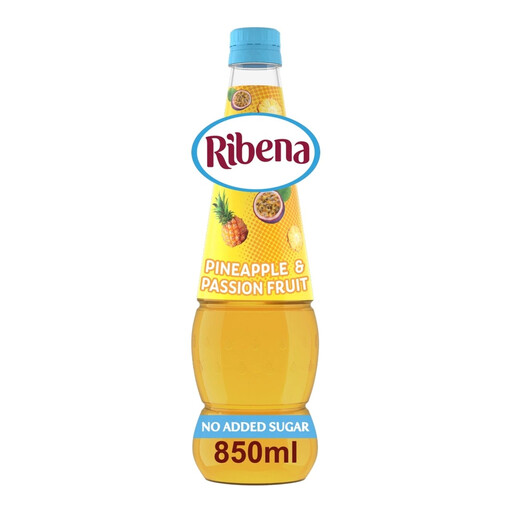 No image available
An 850ml pineapple and passion-fruit concentrate for a picnic with water available for mixing. Check the bottle’s dilution and prepared-serving nutrition before comparing it with another flavour, and read the ingredients if sweeteners or sulphites matter to you.
No. The prepared drink can still contain sugars from its ingredients. Waitrose & Partners lists 0.8g sugars per diluted 250ml for Vimto No Added Sugar, and Sainsbury's lists 2.4g per prepared 250ml for its High Juice Orange No Added Sugar. Compare the nutrition panel on the bottle you choose.
Follow the ratio for the exact bottle. Sainsbury's lists one part concentrate to four parts water for Robinsons standard Orange No Added Sugar, but one part to nine parts water for its Double Strength Orange. Pack enough water for the number of drinks you intend to make.
Check whether the squash contains aspartame: the NHS says it is unsuitable for people with phenylketonuria (PKU). Sainsbury's lists aspartame in Ribena Blackcurrant No Added Sugar, so do not assume that a no-added-sugar label answers this ingredient question.
Pack water as well. Northern Ireland public-health guidance advises limiting squash or fruit juice to mealtimes for children where possible and encouraging water or milk. Follow any age-related and extra-water instructions on the squash you select.
Follow that bottle’s storage directions rather than assuming every squash has the same instructions. Sainsbury's lists a dark, cool, dry place for Robinsons Summer Fruits Double Concentrate and says it tastes best within four weeks of opening; check the label of the variety you are packing.