Waking up with a stiff, aching neck is a frustrating start to any day. While many factors can contribute to this discomfort, an unsupportive pillow is a common culprit. The right pillow does more than just provide a soft place to rest your head; it plays a crucial role in maintaining proper spinal alignment, which can help alleviate pressure and allow your muscles to relax fully.
Navigating the world of pillows can be confusing, with countless materials, shapes and firmness levels to consider. This guide is designed to help you understand what to look for in a pillow for neck pain, making it easier to choose one that suits your specific needs and sleep style.
How to Choose a Pillow for Neck Pain
Finding the right pillow is a personal journey, but a few key considerations can guide you toward a more comfortable night's sleep.
1. Your Sleeping Position is Key
The way you sleep determines the amount of support your head and neck require.
- Side Sleepers: If you sleep on your side, there is a significant gap between your head and the mattress. A firm support pillow with a higher loft (height) is often needed to fill this space, keeping your neck aligned with the rest of your spine. Look for a side sleeper pillow that is substantial enough to prevent your head from tilting downwards.
- Back Sleepers: When sleeping on your back, the goal is to support the natural curve of your neck without pushing your head too far forward. A medium-loft, medium-firm pillow for back sleepers is typically ideal. An ergonomic pillow with a contoured shape can be particularly effective.
- Stomach Sleepers: This position can place considerable strain on the neck, as it requires turning your head to one side for long periods. The best option is a very thin, soft pillow—or no pillow at all—to keep your head and neck as close to a neutral alignment as possible.
2. Understanding Pillow Materials
The filling inside a pillow dictates its feel, support and other properties.
- Memory Foam: Known for its contouring properties, a memory foam pillow adapts to the unique shape of your head and neck, providing personalised support. It can come in a solid block or as shredded foam, which allows for more air circulation and adjustability. This material is often used in orthopaedic pillow designs due to its pressure-relieving capabilities.
- Hollowfibre: This synthetic material is a popular, affordable choice. It is lightweight, breathable and often hypoallergenic, making it a great option for those with allergies. While less contouring than memory foam, modern hollowfibre pillows can be engineered to provide excellent medium-to-firm support and are often machine washable pillows, making them easy to keep fresh.
3. Important Features to Look For
Beyond the basics, certain features can significantly enhance your comfort.
- Adjustability: An adjustable pillow allows you to add or remove filling to customise its height and firmness. This is an excellent feature if you are unsure what you need or if you are a combination sleeper who changes position throughout the night.
- Cooling Properties: If you tend to overheat, a cooling pillow can make a real difference. Look for features like gel-infused foam, breathable covers or ventilated designs that promote airflow.
- Hypoallergenic Materials: For those with allergies or asthma, a hypoallergenic pillow is essential. It helps to prevent the build-up of dust mites and other allergens, contributing to a healthier sleep environment.
Recommended Pillows for Neck Pain
Based on features that address common concerns like support, adjustability and material quality, here are some of our top recommendations.
MENDALE Shredded Memory Foam Pillow
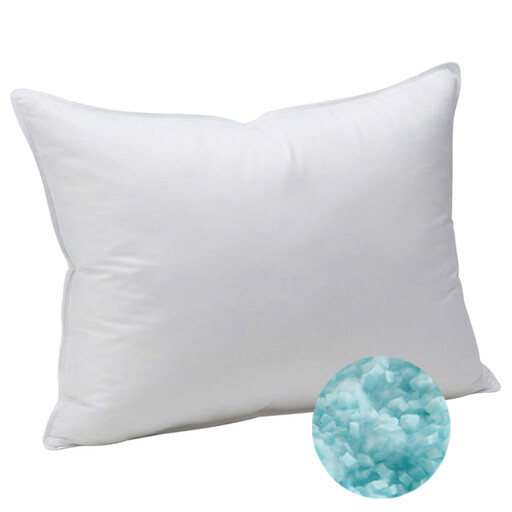
- Why It Stands Out: This pillow combines the pressure-relieving benefits of memory foam with the flexibility of a traditional pillow. The shredded foam filling can be moved and shaped for customised support, and it allows for better airflow than a solid memory foam block. Its soft cover and plush feel give it a luxurious, hotel quality pillow appeal.
- Pros:
- Adjustable shredded memory foam filling.
- Hypoallergenic materials.
- Soft, breathable cover.
- Versatile for back, side and stomach sleepers.
- Who is it for? Individuals who want the contouring support of memory foam but prefer a softer, more adaptable feel. It's a great all-rounder for combination sleepers.
NightComfort Pillow Premium Box Edge Medium
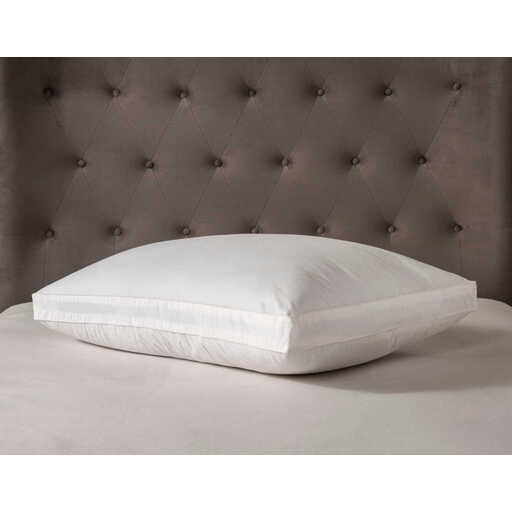
- Why It Stands Out: The defining feature is its gusseted box border, which creates a structured shape with consistent height from edge to edge. This design provides reliable medium support and prevents the filling from clumping, making it an excellent side sleeper pillow. The 100% cotton cover enhances breathability.
- Pros:
- Box edge construction for even support and shape retention.
- Hypoallergenic hollowfibre filling.
- Breathable 100% cotton cover.
- Machine washable pillow for easy care.
- Who is it for? Side sleepers who need consistent loft to keep their neck and shoulders properly aligned. It's also a good choice for those who prefer the feel of a traditional fibre-filled pillow.
Emma Pillow Adapt Memory Foam Medium Firm
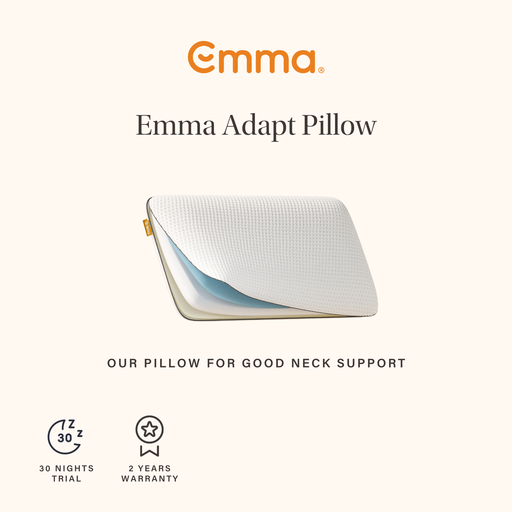
- Why It Stands Out: This is a truly adjustable pillow thanks to its innovative three-layer foam construction. You can remove one or two of the internal foam layers to achieve the perfect height and firmness for your sleeping position. This customisability makes it a versatile and ergonomic pillow solution.
- Pros:
- Three removable foam layers for customisable height.
- Balanced comfort and support for head and neck.
- Breathable design to help reduce heat build-up.
- Removable and machine-washable cover.
- Who is it for? Anyone who is unsure of their ideal pillow height or who wants the flexibility to fine-tune their sleep setup. It’s an excellent choice for back and side sleepers seeking tailored support.
Looking for More Options?
Pillow preference is highly individual, and what works for one person may not work for another. If you haven't found the perfect match yet or wish to explore a wider variety of materials and support levels, we invite you to browse our full collection.
[Explore our complete range of bed pillows here.](https://www.joybuy.co.uk/explore/bed-pillows/lVaIn4Bh)
Frequently Asked Questions
1. How do I know if my pillow is causing my neck pain? Common signs include waking up with neck stiffness or pain that tends to improve as the day goes on, tension headaches and discomfort in your shoulders. When lying down, your pillow should hold your head in a neutral position, aligned with your spine, not tilted up or down.
2. How often should I replace my pillow? A general guideline is to replace your pillow every one to two years. Over time, pillows lose their supportive qualities and can accumulate allergens. A simple test is to fold your pillow in half; if it doesn't spring back to its original shape, its supportive structure is likely worn out.
3. Can a firm support pillow be too hard? Yes. The term "firm support" should refer to the pillow's ability to prevent your head from sinking too low, maintaining alignment. It should not feel uncomfortably hard. A pillow that is too firm or too high can create new pressure points and push your neck out of alignment, just as a pillow that is too soft can. The goal is always balance and neutral alignment.


