
24/7 Customer Support

Free returns

Same-day & Next-day Delivery

Quality Guaranteed

Unlock Your Welcome Offers: FREE Delivery | Up to 80% OFF | Free 30-day JoyPlus trial
Download the APP
Waking up with a stiff, aching neck is a frustrating start to any day. While many factors can contribute, an unsuitable pillow is often the primary culprit. The market is flooded with options, all promising a perfect night's sleep, but finding the right pillow for neck pain can feel like an impossible task.
As a Joybuy Product Recommendation Officer, my role is to help you cut through the clutter. Many shoppers fall into common traps that lead to wasted money and continued discomfort. Before you buy, be aware of these pitfalls:
To make an informed choice, focus on a few core parameters that directly impact comfort and support.
Loft (height) and firmness are crucial for maintaining a neutral spine, where your head and neck are aligned with the rest of your body. The ideal combination depends entirely on your primary sleeping position.
The material determines the pillow's feel, support, durability and other features like temperature regulation.
An adjustable pillow is one of the most practical innovations for tackling neck pain. These pillows contain multiple internal layers of foam or fibre that you can add or remove. This allows you to customise the loft and firmness precisely to your body shape and sleeping style, effectively creating a bespoke ergonomic pillow. It’s an excellent way to avoid the guesswork and find your perfect fit.
Based on these practical criteria, we've matched several pillows to different user needs. These recommendations focus on functional design and honest materials, helping you avoid the common purchasing traps.
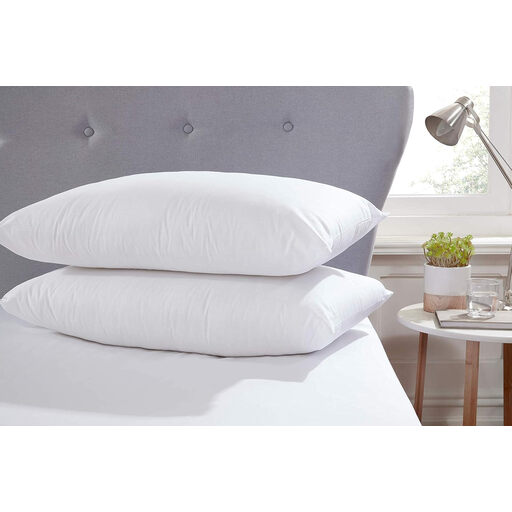
Why This Fits Their Persona: Ideal for those seeking an immediate comfort upgrade from a flat, old pillow without a large investment. Its soft support is well-suited for front and some back sleepers in the UK who prefer a plush, traditional feel.
It avoids the "miracle material" trap by being transparent about its construction. It is an honest, straightforward microfibre pillow that delivers on its promise of a soft, down-like feel without over-the-top claims.
Excellent value for money. The pillow is fully machine washable for easy hygiene, and its hypoallergenic hollowfibre filling is a practical choice for many households.
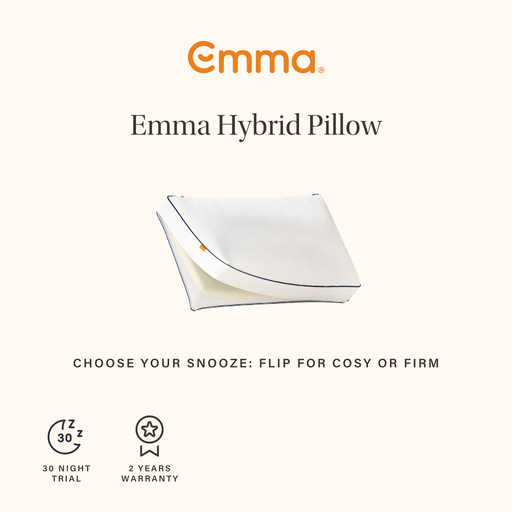
Why This Fits Their Persona: Perfect for the UK shopper who is unsure what loft or firmness they need. Combination sleepers who switch between their side and back will find the ability to adjust the pillow's height invaluable for consistent comfort.
This pillow is the direct antidote to the "one-size-fits-all" myth. Its modular design empowers you to find the right configuration for your body, rather than forcing you to adapt to a fixed shape.
Fully adjustable height and firmness via removable foam and microfibre layers. The hybrid design offers a balance of supportive foam and plush microfibre.
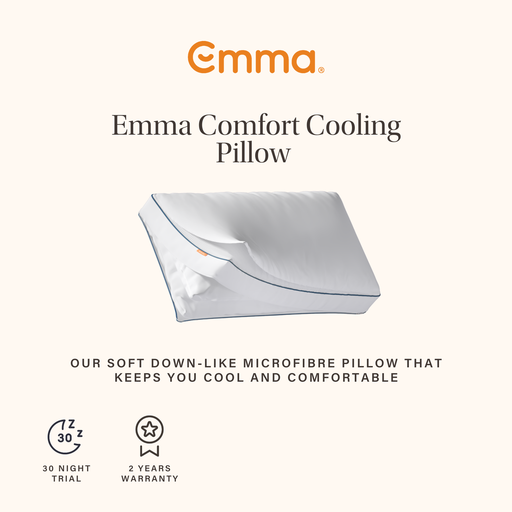
Why This Fits Their Persona: This is for the person who struggles with both neck discomfort and overheating at night. The combination of adjustable support and active temperature regulation addresses two major sleep disruptors in one product.
It sidesteps vague "breathable" claims by incorporating a specific technology (Outlast) designed for temperature regulation. It is also adjustable, avoiding the one-size-fits-all pitfall.
Features an integrated cooling pillow layer to help regulate temperature. The height is also customisable with removable layers, making it suitable for all sleep positions.
We have compiled a complete, real-time list of products that fully satisfy these strict selection criteria and UK safety regulations.
A simple test is to have someone take a photo of you from the back while you lie in your usual sleeping position. If you are a side sleeper, your spine should be in a straight, horizontal line. If you are a back sleeper, your spine should maintain its natural curve. If your head is tilted up or down, your pillow's loft is incorrect.
The lifespan of a pillow depends on its material. Microfibre pillows may need replacing every 1-2 years as they lose their loft. Memory foam and latex pillows are more durable and can last 3-5 years or more. A clear sign that it's time for a replacement is when the pillow no longer provides adequate support, appears lumpy or feels flat.
Yes, there can be a short adjustment period. If your neck has been accustomed to poor support, switching to a proper ergonomic pillow can feel strange or even slightly uncomfortable for a few nights. Your muscles need time to adapt to the new, correct alignment. However, if the pain persists or worsens after a week, the pillow may not be the right fit for you.