Single-serve smoothie makers
If you normally make one drink, a blend-in-the-cup format can mean fewer shared dishes and less to store. Check the cup’s usable fill limit before assuming it holds your usual serving.


Choose a personal blender if you usually make one pineapple smoothie and want fewer shared dishes; choose a jug blender if several people want drinks at once or you prepare multiple servings. In either case, check how the cup or jug and blade assembly are cleaned, how much liquid the vessel can actually hold, and whether the manufacturer says the model is suitable for any ice or frozen ingredients you use.
If you normally make one drink, a blend-in-the-cup format can mean fewer shared dishes and less to store. Check the cup’s usable fill limit before assuming it holds your usual serving.
A jug format makes more sense when several people want smoothies together. Compare working liquid capacity, not just the jug’s overall size, and consider where the appliance and its parts will be kept.
If your pineapple smoothies regularly include ice, frozen fruit, seeds or thick additions, check the exact model’s stated ingredient guidance and controls rather than choosing by appearance or motor rating alone.
Start with the number of drinks you usually make at once. Then compare the cleaning routine and the ingredients the blender is intended to handle.
| Concern | What to check | Who this matters to |
|---|---|---|
| Cleaning and one-person use | Check the cup or jug, lid, blade assembly and seals individually for removable parts and dishwasher instructions. | If I make one drink before someone else needs the kitchen, I want a cup I can use and clean without leaving a pile of shared parts. For around 42% of consumers, easy single-serve use would be the primary need. |
| Shared-batch capacity | Compare the stated working liquid capacity with your usual number of servings, then check storage space. | When flatmates want smoothies together, I would rather prepare a batch than queue for separate blends. Around 33% of consumers would put shared-batch capacity first. |
| Ice and thicker additions | Check manufacturer guidance for the ingredients you use, including ice, frozen fruit or thick mixtures. | If I regularly add frozen fruit or ice to pineapple, I need a model intended for those ingredients, not just a high wattage figure. That would be the main concern for around 25% of consumers. |
Making several drinks in separate cycles can hold up a busy shared kitchen. A personal cup does not provide the working capacity of a batch-sized jug.
Count the servings you normally make together and compare stated working liquid capacities before choosing a format.
Cleaning instructions may differ between the vessel, lid, blade assembly and seals. Residue left in shared equipment also matters when people use different ingredients.
Check the exact model’s instructions for each component and agree on a cleaning routine everyone can follow.
A motor rating alone does not establish how a model will handle your particular pineapple smoothie, especially if you add ice or frozen ingredients.
Check the manufacturer’s stated uses and instructions for your full ingredient list, then weigh those features against the space and cleaning effort the appliance requires.
Water and spills make the condition of an electrical appliance particularly important. A damaged cable, plug or housing needs attention rather than another blending cycle.
Keep the motor base dry, unplug the blender before cleaning and stop using it if you notice damage, scorch marks, sparking or smoke.
Kenwood’s Blend-X Fresh BLP41.A0CT is an example of a jug blender aimed at larger batches. Kenwood states a 1.5 L working liquid capacity, three speeds plus pulse and an ice-crush function for this model.
The Vitamix A3500i is a larger household option. Vitamix specifies a 2.0-litre container, variable speed, pulse and programmes including Smoothies and Self-Cleaning.
Blendtec’s own UK buying guidance focuses on machines for ice, seeds and thick mixtures. It suggests looking for at least 1,500 W for those tasks; that guidance is not a performance result for every model or recipe.
These choices include jug blenders for making shared batches, personal blenders for individual drinks and a model offering both formats. Check each vessel’s usable capacity and cleaning instructions against your household’s routine.
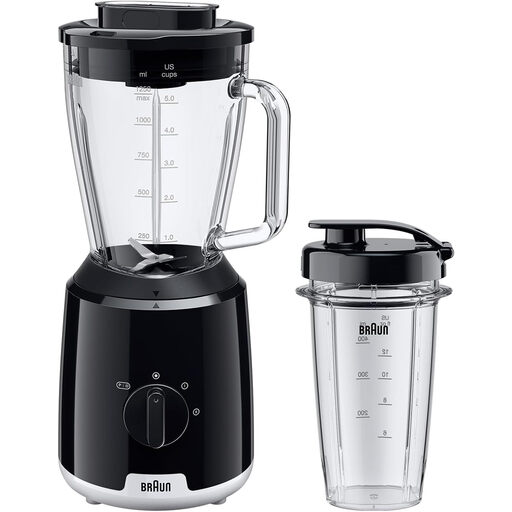 No image available
Consider this jug-and-bottle format if the kitchen needs both shared batches and an individual drink option.
The product title specifies a 1.5 L glass jug, 600 W motor and two speeds. Check the usable jug fill limit against the number of servings you plan to make.
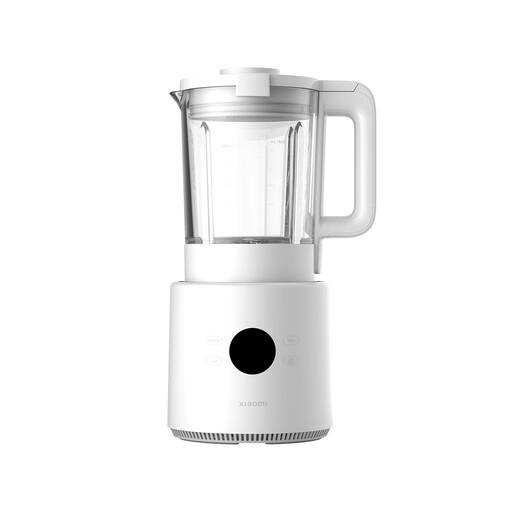 No image available
For shared cold drinks, check how much the vessel can hold and whether its cleaning routine works for everyone using it.
Check the component-cleaning instructions before buying, particularly if the household needs to remove traces of different ingredients between uses.
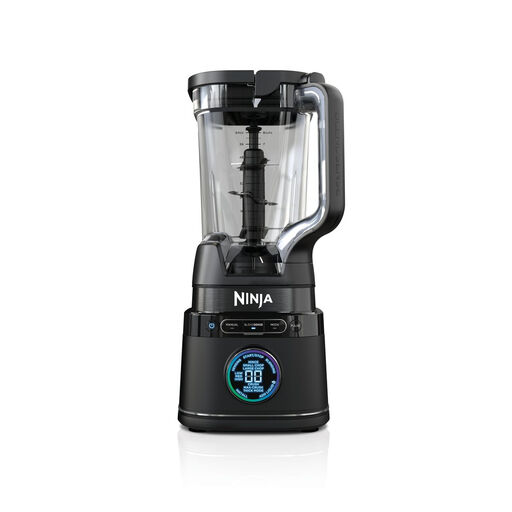 No image available
The jug-and-single-serve format may suit flatmates who sometimes share a batch and sometimes make separate drinks.
Check the jug’s usable volume, the included cup options and the cleaning instructions before deciding whether both formats fit your storage space.
 No image available
This bottle-based format is worth considering if two people usually want separate smoothies rather than one shared batch.
The product title specifies two to-go bottles and a 300 W motor. Check each bottle’s usable fill limit and the cleaning instructions for its parts.
 No image available
Consider the personal-cup format when you normally make one pineapple smoothie at a time.
The product title specifies a 1200 W motor and 900 ml cup; the cup figure is not a usable fill limit. If you add ice or frozen fruit, check the model’s ingredient instructions as well.
Choose a personal blender for drinks made one at a time, or a jug blender when several people regularly want the same batch. Compare usable capacity and the parts everyone will need to wash, rather than relying on vessel size alone.
No: a quick rinse should not be treated as an allergen-cleaning plan for shared equipment. The Food Standards Agency’s review focuses on removing allergenic food material from equipment, surfaces and utensils. Follow the appliance’s cleaning instructions and the affected person’s individual allergy-management advice when agreeing how the blender will be shared.
Check the blender, plug and cable for visible damage, and unplug it before cleaning. Electrical Safety First advises unplugging blenders for cleaning; if an appliance shows damage, scorch marks, sparking or smoke, stop using it rather than continuing in a busy kitchen.
Keep the motor base away from splashes and spills, and clean it only as the appliance instructions allow after unplugging it. The Health and Safety Executive notes that unsuitable electrical equipment can become hazardous in wet surroundings.