
24/7 Customer Support

Free returns

Same-day & Next-day Delivery

Quality Guaranteed

Unlock Your Welcome Offers: FREE Delivery | Up to 80% OFF | Free 30-day JoyPlus trial
Download the APP
Pink gin has moved beyond a single style. UK shoppers can now choose from strawberry gin, pink grapefruit gin, rosé gin, fruit gin, ready-to-drink cans and miniature gift sets. That variety is useful, but it can also make online buying confusing. A bottle’s colour does not always indicate its flavour, sweetness or alcohol strength.
Before you buy pink gin online, check the details that affect how it tastes, how it should be served and whether it suits your occasion.
Some products are flavoured gin-based spirit drinks rather than standard gin. In the UK, gin must meet a minimum alcoholic strength of 37.5% ABV. A lower-strength product can still be a convenient alcoholic drink, but it may be labelled as a spirit drink or ready-to-drink serve rather than gin.
For example, a 250ml pink gin and tonic may contain around 5% ABV, while a 70cl flavoured pink gin may be between 35% and 42% ABV. These products suit different occasions and should not be compared solely by bottle appearance.
A strawberry gin may taste fruit-forward without being heavily sweetened. Conversely, a pink gin and lemonade can contain considerably more sugar because of the mixer. Look at the nutritional panel where available, particularly if you are comparing a flavoured pink gin with a pre-mixed drink.
Fruit descriptions also need careful reading. “Pink grapefruit” generally suggests a sharper, citrus-led profile, while strawberry, raspberry and redcurrant tend to create a softer berry character. Rosé gin may include floral or red-fruit notes, but the name alone does not tell you how sweet it will be.
A 70cl bottle is a common choice for a home bar, while a 1L pink gin can offer more servings for parties or regular entertaining. However, a larger bottle also contains more total alcohol. A 70cl bottle at 40% ABV contains approximately 28 UK units, whereas a 1L bottle at 37.5% ABV contains approximately 37.5 units.
The UK Chief Medical Officers advise that adults should not regularly exceed 14 units per week. Always check the label, measure serves carefully and never drink and drive.
Start with the main botanical or fruit note:
Check whether the colour comes from fruit ingredients or added colouring. Malfy Rosa, for instance, is described as having a pink hue from natural fruit pigments. Ingredients can also flag allergens: Beefeater London Pink Strawberry lists cereals, while J.J. Whitley Pink Gin lists wheat and gluten.
Compare ABV, not just the product name. The selection available online includes:
Higher ABV does not automatically mean a better match. It usually means you should pay closer attention to pouring size and the tonic-to-gin ratio.
Choose the format around your occasion:

Why This Fits Their Persona: A straightforward 70cl option for shoppers who want recognisable London provenance, strawberry flavour and a familiar gin-and-tonic format.
The listing states its 37.5% ABV, 26.25 units per 70cl bottle and strawberry flavour, making comparisons clearer.
London-made; suitable for vegetarians and vegans; designed for pink gin and tonic, spritzes and fruity cocktails.
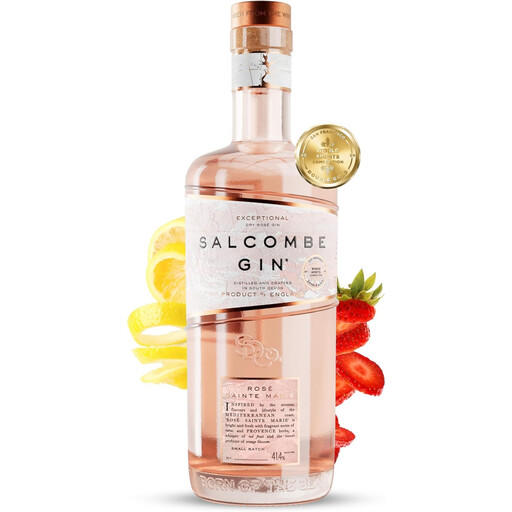
Why This Fits Their Persona: A Devon-made choice for drinkers seeking a fuller botanical profile with raspberry, rose, juniper and lemon notes.
The product information identifies the flavourings, 42% ABV, 70cl size and 29.4 units per bottle.
Devon provenance; suitable for vegetarians and vegans; works neat, with tonic or in cocktails.
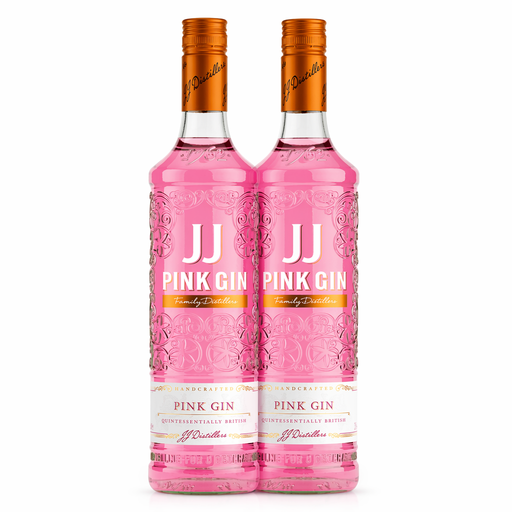
Why This Fits Their Persona: Two 1L bottles provide a practical format for hosts, cocktail makers and larger gatherings where a 70cl bottle may run short.
The listing clearly gives the 37.5% ABV and approximately 37.5 units per 1L bottle, helping hosts plan responsibly.
UK-made; berry-led strawberry and raspberry profile; suitable for tonic, ice or Prosecco serves.
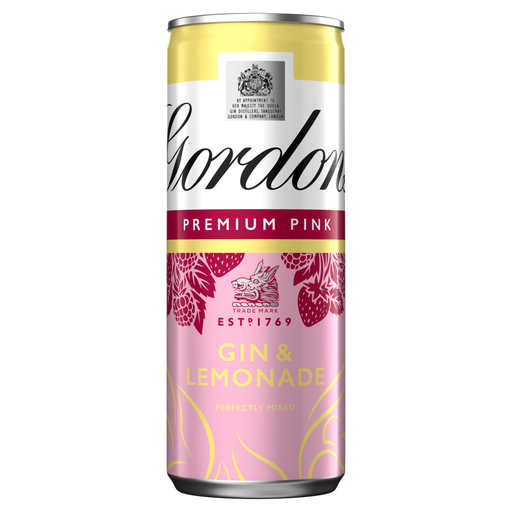
Why This Fits Their Persona: A chilled ready-to-drink option for picnics, barbecues, parties or evenings when measuring gin and tonic is inconvenient.
The can is clearly listed as 250ml and 5% ABV, so it is not mistaken for a full-strength 70cl bottle.
Pre-mixed with lemonade; strawberry and raspberry notes; serve chilled without additional equipment.
We have compiled a complete, real-time list of products that fully satisfy these strict selection criteria and UK safety regulations.
For a classic pink gin and tonic, begin with plenty of ice, then add a measured gin serve and tonic to taste. Match the garnish to the flavour: grapefruit for citrus-led gin, strawberries or raspberries for berry styles and cucumber for a fresh Yorkshire gin such as Masons Pink Grapefruit & Cucumber Gin.
Pink gin cocktails can include a fruit spritz, gin fizz or a simple combination with soda. A dry tonic can help balance sweeter fruit notes, while lemonade creates a softer, more approachable serve. Always check the bottle’s serving guidance and avoid assuming that one mixer suits every recipe.
Not necessarily. Pink gin can contain fruit flavourings while retaining juniper and citrus character. Sweetness depends on the recipe and whether sugar or a sweet mixer has been added. Check the ingredients and nutritional information rather than relying on colour.
Distilled gin can remain shelf-stable when stored upright, tightly sealed and away from heat and direct sunlight. Over time, air exposure may reduce the freshness of fruit and botanical aromas. Ready-to-drink products should follow the storage instructions on the packaging and are generally intended to be consumed promptly after opening.