
24/7 Customer Support

Free returns

Same-day & Next-day Delivery

Quality Guaranteed

Unlock Your Welcome Offers: FREE Delivery | Up to 80% OFF | Free 30-day JoyPlus trial
Download the APP
Pinot Grigio has become a go-to choice for many in the UK, and for good reason. It's known for being a reliable, refreshing white wine that suits almost any casual occasion. Yet, with so much choice on the shelves, it's easy to end up with a bottle that doesn't quite hit the mark. Vague labels and clever marketing can often lead to disappointment.
As a Joybuy Product Recommendation Officer, my role is to help you navigate the options and find a wine that genuinely delivers on its promise. Before you add a bottle to your basket, let's look at a couple of common pitfalls that can lead to a poor purchase.
To avoid these traps and find a bottle you'll truly enjoy, focus on a few key details. These objective markers will tell you more about the wine's quality and style than any marketing slogan.
The flavour of a Pinot Grigio is heavily influenced by where the grapes are grown. Understanding the difference between key regions is crucial.
The right Pinot Grigio for you also depends on when and how you plan to drink it.
To make your choice easier, we've matched some dependable options to different needs and preferences.
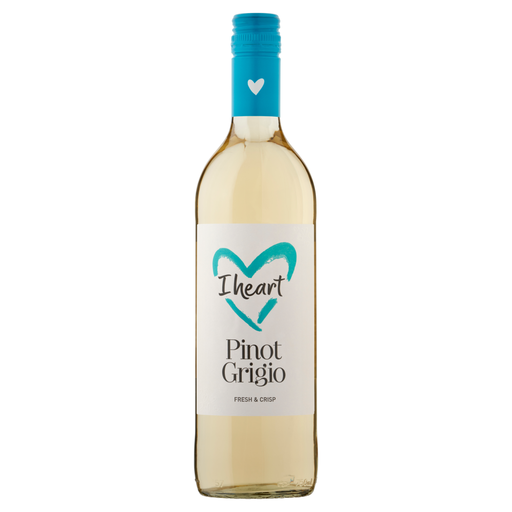
Why This Fits Their Persona: This is for the person who wants a reliable, no-fuss bottle for a weeknight meal or relaxing on the sofa. It's an accessible and recognisable brand that focuses on a consistently fresh and light style without any pretence.
It sidesteps the "vague flavour" trap by delivering exactly what it promises: a straightforward, easy drinking white wine with zesty citrus and peach notes. There are no surprises here, just consistency.
Excellent value and dependable quality. Its light body and crisp finish make it a versatile partner for salads, chicken or fish.
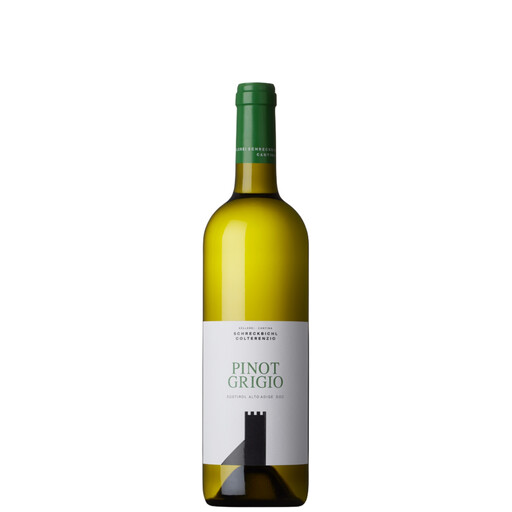
Why This Fits Their Persona: Ideal for someone hosting a dinner party who wants to serve a wine with more character and elegance. This is a step up from entry-level options, showing an appreciation for regional quality without a huge price tag.
This wine directly counters the "Italian origin" illusion. It proudly states its Alto Adige DOC status, a high-altitude region renowned for producing aromatic, mineral-driven and structured Pinot Grigio.
It offers greater complexity with notes of white pear, citrus zest and a distinct mineral finish. Its crisp acidity and texture make it an excellent food wine, particularly with seafood or light pasta.
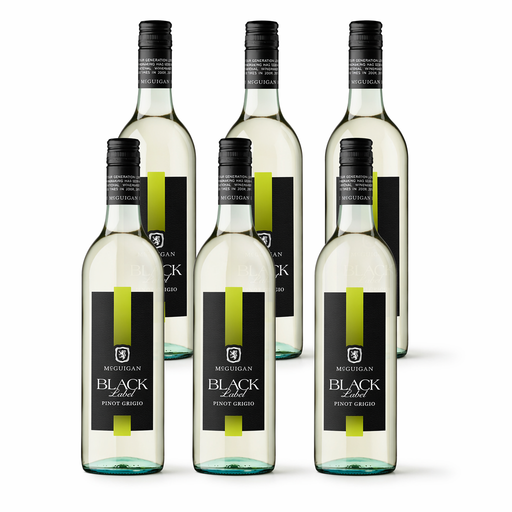
Why This Fits Their Persona: This is for the household that buys in bulk to get the best value. They want a crowd-pleasing wine that's always ready for a BBQ, a party or just to ensure the wine rack is never empty. Buying a case is the smartest move.
As a well-known Australian Pinot Grigio, it has a clear and consistent style. You know you are getting a fruit-forward, approachable wine, avoiding the gamble of an unknown label with vague descriptions.
The primary advantage is value. This case of wine deal significantly lowers the cost per bottle. The wine itself is a reliable crowd-pleaser with a richer fruit profile that appeals to a wide audience.
We have compiled a complete, real-time list of products that fully satisfy these strict selection criteria and UK safety regulations.
What is the main difference between Italian and Australian Pinot Grigio? The primary difference lies in the style. Italian Pinot Grigio, especially from cooler northern regions, is typically lighter-bodied, with higher acidity and flavours of green apple, lemon and minerals. Australian Pinot Grigio tends to be slightly richer and more fruit-driven, with notes of pear, white peach and melon. The choice between them comes down to personal preference for a leaner, zestier wine versus a softer, fruitier one.
Should Pinot Grigio always be served ice-cold? While it should be served chilled, serving it "ice-cold" can mute its flavours. The ideal serving temperature is between 7-10°C. A good rule of thumb is to take it out of the fridge about 15-20 minutes before you plan to pour it. This allows the wine's aromatic qualities to open up.
How long does Pinot Grigio last after opening? Once opened, a bottle of Pinot Grigio should be re-sealed (with a screw cap or wine stopper) and stored in the fridge. It will generally stay fresh for 3 to 5 days. After this period, it will start to lose its vibrant fruit flavours and crispness as it oxidises, though it will still be safe to drink.