
24/7 Customer Support

Free returns

Same-day & Next-day Delivery

Quality Guaranteed

Unlock Your Welcome Offers: FREE Delivery | Up to 80% OFF | Free 30-day JoyPlus trial
Download the APP
Pinot Grigio wine is a familiar choice for UK households because it is usually light, refreshing and straightforward to pair with food. However, the label alone does not tell you whether a bottle suits a weekday dinner, a summer gathering or a larger household drinks cupboard.
Several common buying traps can lead to disappointing purchases:
A standard 75cl Pinot Grigio bottle generally provides around six 125ml glasses, although the number of servings depends on how generously you pour. This format is practical for meals, hosting and gifting.
For regular drinkers, Pinot Grigio cases can reduce the need for repeat orders and make sense when you already know the style you enjoy. Check the number of bottles included, the total volume and the delivery terms before comparing prices.
A 187ml bottle is more suitable for a solo meal, picnic or occasion where opening a full bottle would be unnecessary. The smaller format may cost more per 100ml, but it can help avoid leftover wine.
Italian Pinot Grigio is often associated with crisp acidity, citrus and pear notes, but Italy is not the only source of this grape variety. Wines labelled Pinot Gris may use the same grape, while wines from Australia, Romania, France, Chile and the United States can offer different levels of fruitiness and body.
Regional references can provide useful context:
Origin is not a guarantee of personal preference, so use it as a guide rather than a quality verdict.
Check the alcohol by volume (ABV) before ordering. The products in this selection range from 10.5% to 13%, so the alcohol units per bottle can vary considerably.
Wine commonly contains sulphites, which must be declared as an allergen when present above the relevant threshold. Vegan and vegetarian suitability also varies by product. Some listings clearly identify a wine as suitable for vegans, while others leave the information unknown. If this matters to you, check the product page and packaging rather than relying on the grape name.
For responsible consumption, UK Chief Medical Officers’ guidance advises adults not to regularly exceed 14 units per week. Alcohol should be avoided during pregnancy, and drinking and driving should never be combined.
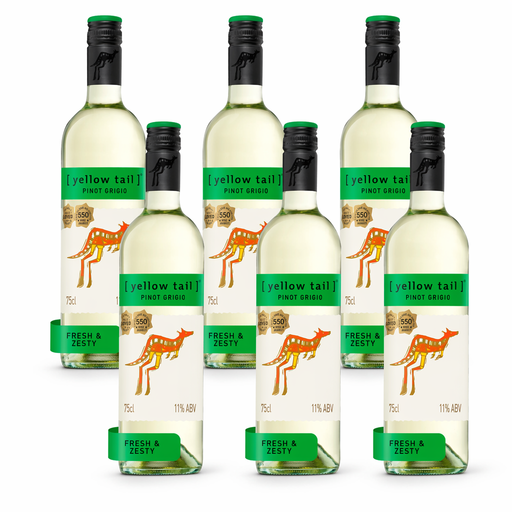
Why This Fits Their Persona: The case format suits shoppers building a regular home supply for weekday meals, casual sharing or informal entertaining.
The listing gives clear practical information, including 75cl bottles, 12% ABV, Australian origin and sulphite allergen details, so you can compare the case on more than promotional wording.
75cl format; 12% ABV; suitable for storing as an everyday cupboard option.
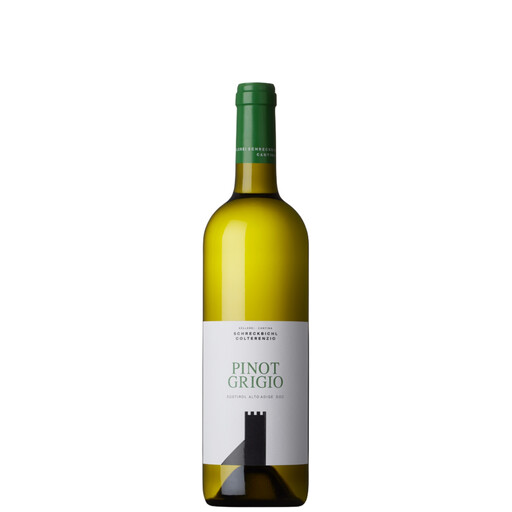
Why This Fits Their Persona: A suitable choice for shoppers looking beyond basic refreshment and interested in an Italian wine with a defined DOC origin and more detailed production information.
The product information identifies Alto Adige DOC, 100% Pinot Grigio grapes, stainless-steel fermentation and 13% ABV, giving useful points for comparison.
Italian DOC origin; listed as suitable for vegetarians and vegans; 75cl bottle.
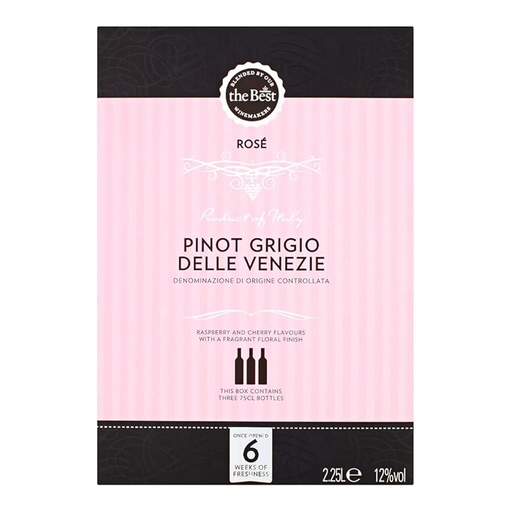
Why This Fits Their Persona: The larger format is designed for gatherings, outdoor meals and occasions where several guests may want a lighter rosé style.
Its 2.25L volume is clearly stated, helping prevent confusion between a case of bottles and a larger single container. It is also identified as rosé, rather than a standard dry white wine.
2.25L format; 12% ABV; listed as vegetarian; stated six-week shelf life after opening.
We have compiled a complete, real-time list of products that fully satisfy these strict selection criteria and UK safety regulations.
Serve most crisp white wine styles chilled, generally around 10–12°C, according to the product guidance. Very cold serving can mute aromas, while warm wine may taste heavier and less refreshing.
Store unopened bottles in a cool, dark place away from direct sunlight and heat sources. Once opened, re-cork or reseal the bottle, refrigerate it and follow the product’s recommended consumption period. Many still wines are intended to be enjoyed within a few days after opening.
For food pairing, Pinot Grigio works naturally with seafood, salads, grilled chicken, light pasta, soft cheeses and simple appetisers. Pinot Grigio rosé can also suit berry-led salads, picnic dishes and mild cheeses.
Many Pinot Grigio wines are dry white wines, but sweetness can vary between products. Check the tasting description and nutritional information, particularly carbohydrate and sugar values, if a drier style is important to you.
Both names generally refer to the same grape variety. “Pinot Grigio” is widely used in Italy and often describes a fresh, light style, while “Pinot Gris” is common in other regions. The actual taste depends on climate, harvest decisions and winemaking.
A case may offer a lower price per bottle, but compare the total number of bottles, bottle size, delivery cost and storage space. A 75cl case is practical for entertaining, whereas single bottles or 187ml formats may be more economical if your consumption is occasional.