
24/7 Customer Support

Free returns

Same-day & Next-day Delivery

Quality Guaranteed

Unlock Your Welcome Offers: FREE Delivery | Up to 80% OFF | Free 30-day JoyPlus trial
Download the APP
Buying Pinot Grigio wine should be straightforward, yet labels and promotional language can make comparison difficult. A familiar grape name does not guarantee the same flavour, alcohol level or value from one bottle to the next. Regional styles, serving formats and case quantities can all change what you receive.
This guide explains the practical details to check before ordering, helping you avoid common buying traps and choose a Pinot Grigio white wine for weekday meals, entertaining, gifting or relaxed drinking at home.
Pinot Grigio and Pinot Gris are two names for the same grape variety, but the resulting wines can differ considerably. Italian Pinot Grigio is often associated with a light, dry and crisp style, while Pinot Gris from other regions may be fuller-bodied, more aromatic or fruit-led.
The country and region on the label provide useful context. A wine from South Australia, California, France or northern Italy may have a different balance of fruit, acidity and texture, even when the grape variety is identical.
Words such as “smooth”, “premium” or “elegant” are subjective. They should not replace practical details such as ABV, bottle volume, grape composition, country of origin and allergen information.
Some online descriptions can also contain inconsistent or generic wording. Always use the product label and current listing information as the final reference, particularly for alcohol content, ingredients and serving guidance.
A multi-bottle case can be convenient for parties or regular drinkers, but the apparent saving may not suit occasional use. A standard bottle is usually 75cl, also described as 750ml wine, while larger formats can contain several bottles’ worth of liquid.
For example, a 2.25-litre Pinot Grigio rosé format may be practical for larger gatherings, but it needs suitable storage after opening. Compare the price per bottle or per litre rather than relying only on the headline case price.
A 75cl wine bottle typically provides around six 125ml glasses, although the exact number depends on how generously you pour. A larger format may reduce packaging and restocking, but it can be less convenient for a quiet meal or small household.
Most Pinot Grigio is intended to be enjoyed young and fresh. Store unopened bottles in a cool, dark place, away from heat and direct sunlight. Once opened, re-cork the bottle, refrigerate it and follow the product’s stated consumption guidance. Many still white wines are best used within a few days.
Serve chilled, but avoid making the wine excessively cold, as very low temperatures can mute aroma and flavour. Around 8–12°C is a practical range for many crisp dry white wine styles; check the individual product information where available.
Alcohol strength varies between products. Examples in the available range include approximately 10.5%, 12%, 12.5% and 13% ABV. A 75cl bottle at 13% contains roughly 9.8 UK units, while a 10.5% bottle contains around 7.9 units.
The calculation is:
Bottle volume in millilitres × ABV ÷ 1,000 = UK units
Checking ABV helps you compare bottles objectively and plan responsibly. Alcohol is restricted to adults aged 18 and over in the UK. Do not drink during pregnancy, and never drink and drive. The UK Chief Medical Officers advise that adults should not regularly exceed 14 units per week.
Pinot Grigio is often selected as a chilled white wine for its refreshing acidity and lighter body. Look for terms such as “dry” if you prefer a cleaner, less sweet finish, but remember that tasting descriptions are not a substitute for the wine’s nutritional or product information.
Crisp styles work naturally with seafood, prawns, grilled fish, sushi, salads, light pasta and mild soft cheeses. A Pinot Grigio rosé may offer additional red-berry character and can suit picnic foods, appetisers and informal entertaining. If you want a fuller or more aromatic experience, look towards Pinot Gris or a named regional wine rather than selecting only by price.
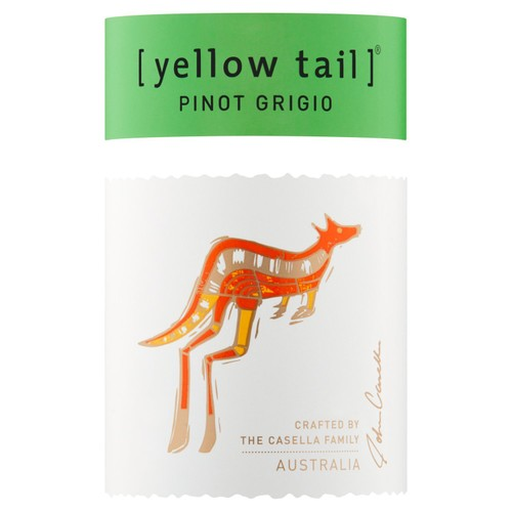
Why This Fits Their Persona: A familiar 75cl format for shoppers trying Pinot Grigio at home or keeping a bottle available for casual meals and informal sharing.
The listing clearly states its 75cl volume, 12.0% ABV, Australian origin and sulphite allergen information, making the purchase easier to compare.
Standard bottle size; suitable for everyday meals; stated energy value of 82 kcal per 100ml.
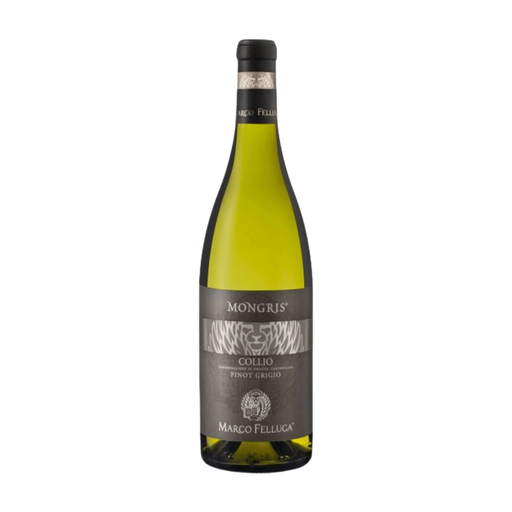
Why This Fits Their Persona: Suited to shoppers seeking a regional Italian Pinot Grigio with more detail for dinner parties, gifting or seafood-led meals.
The listing identifies Collio DOC in Friuli-Venezia Giulia, 100% Pinot Grigio grapes, 13.0% ABV and a stainless-steel fermentation and lees-ageing approach.
Named DOC region; vegetarian and vegan suitability stated; suggested serving temperature of 10–12°C.
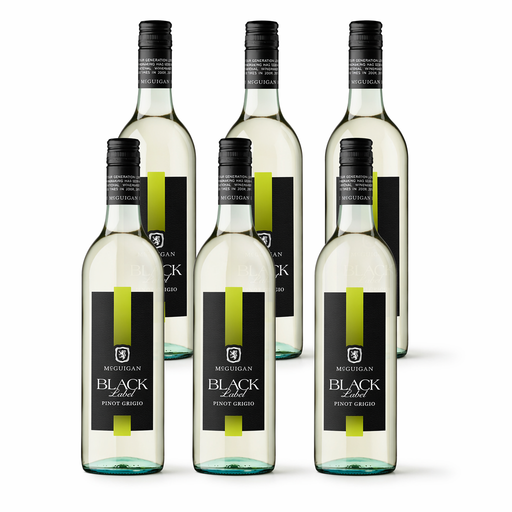
Why This Fits Their Persona: A case format for hosts, larger households and customers who regularly serve wine with meals or gatherings.
The case option makes the total purchase format clear, while the listing gives a 12.5% ABV and South Eastern Australia origin for comparison.
Useful for stocking up; 75cl bottles; stated energy value of 70 kcal per 100ml.
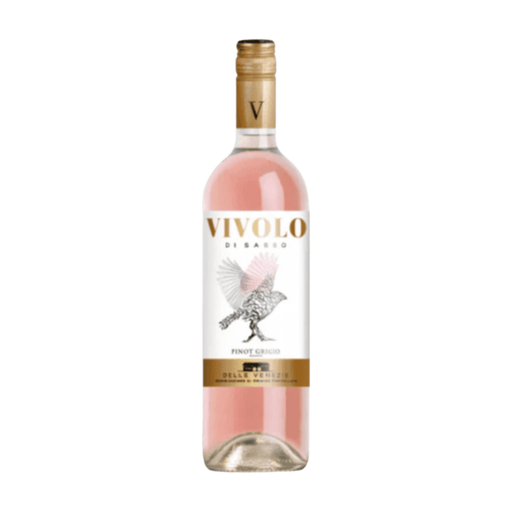
Why This Fits Their Persona: A suitable direction for shoppers who want a pale pink Italian wine for picnics, appetisers, seafood or informal gatherings.
The product is identified as Pinot Grigio Rosato DOC from Trentino-Alto Adige, rather than being presented as a conventional white wine.
75cl bottle; Italian DOC designation; described as dry, light-bodied and suited to seafood and salads.
We have compiled a complete, real-time list of products that fully satisfy these strict selection criteria and UK safety regulations.
No. Many Pinot Grigio bottles are dry or crisp, but sweetness can vary. Check the product description and nutritional information, while remembering that fruit aromas do not necessarily mean the wine contains much sugar.
For freshness, re-cork an opened bottle and refrigerate it. Many products recommend drinking within three to five days, although the exact guidance varies. Check the bottle or online listing before serving.
Its acidity and lighter body commonly suit seafood, grilled fish, prawns, salads, sushi, light pasta and soft cheeses. Pinot Grigio rosé can also work with appetisers and picnic dishes. Serve chilled and choose the style according to the meal and your preferred level of fruitiness.