
24/7 Customer Support

Free returns

Same-day & Next-day Delivery

Quality Guaranteed

Unlock Your Welcome Offers: FREE Delivery | Up to 80% OFF | Free 30-day JoyPlus trial
Download the APP
Pinot Grigio has become a go-to choice for many in the UK, and for good reason. Its typically light, crisp and refreshing character makes it wonderfully versatile. Yet, with so many bottles on the shelf, choosing the right one can feel like a lottery. It's easy to end up with a wine that's disappointingly bland or doesn't suit the occasion you had in mind.
As the Joybuy Product Recommendation Officer, my role is to help you navigate the options. We'll look past the marketing jargon to focus on what truly matters, ensuring your next purchase is a confident one. This guide will highlight a few common pitfalls and provide clear, practical advice for selecting a great bottle of Pinot Grigio.
Many shoppers find themselves disappointed by their purchase due to a few recurring issues. Being aware of them is the first step to avoiding them.
To ensure you get a wine you'll enjoy, focus on these three practical details on the label.
Where the grapes are grown has a significant impact on the final taste.
The ABV can be a useful clue to the wine's style and body.
Consider how you plan to drink the wine.
Here are a few selections that align with different needs and preferences, helping you sidestep the common pitfalls.
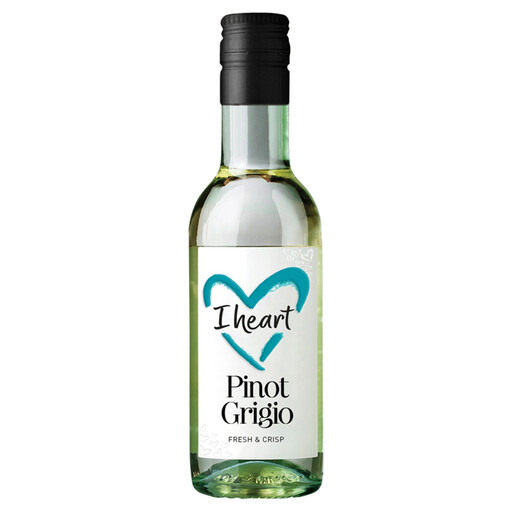
Why This Fits Their Persona: This is for the person who wants a single, fresh glass of wine with their evening meal or while relaxing, without committing to a full bottle. It's all about convenience and eliminating waste.
Directly solves the "Ignoring the Format" pitfall. The single serve wine format ensures a perfectly fresh glass every time, with no pressure to finish a larger bottle.
Ultimate convenience with no corkscrew needed. The taste profile is consistent and approachable, with zesty lemon and peach notes.
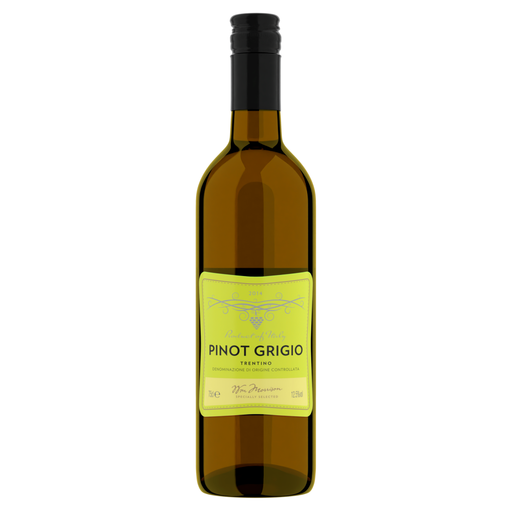
Why This Fits Their Persona: This is for someone hosting a dinner or seeking a wine with more character and a clear sense of place. They appreciate quality and want a wine that pairs elegantly with food.
Avoids the "Italian Label Trap" by specifying its origin: Trentino DOC. This designation signals a higher quality standard and the classic alpine style of Pinot Grigio.
Offers a refined taste profile with crisp green apple, honeysuckle and mineral notes. Its lively acidity makes it an excellent partner for seafood, antipasti and light pasta.
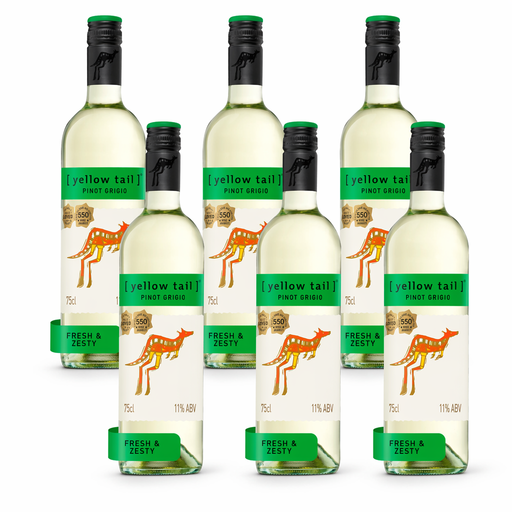
Why This Fits Their Persona: This user drinks Pinot Grigio regularly and likes to be prepared. They want a reliable, crowd-pleasing wine that offers good value when bought in bulk for casual gatherings or stocking the wine rack.
This case deal provides a consistent, approachable Australian style, avoiding the risk of bulk-buying a wine with a challenging or inconsistent flavour profile.
Excellent value for money when purchasing a case of Pinot Grigio. The fruit-forward style is dependable and suits a wide range of palates, making it a safe bet for any occasion.
We have compiled a complete, real-time list of products that fully satisfy these strict selection criteria and UK safety regulations.
The vast majority of Pinot Grigio is a dry white wine. This means that during fermentation, most of the natural grape sugar has been converted to alcohol, leaving very little residual sweetness. Its hallmark is a crisp, refreshing finish, not a sugary one.
They are the same grape variety, but the name often reflects the style. Pinot Grigio is the Italian name and typically refers to the light, crisp, high-acidity style. Pinot Gris is the French name (used in Alsace and many New World countries) and often denotes a wine that is richer, more full-bodied and can have a slightly oilier texture and notes of honey and spice.
For optimal freshness, an opened bottle of Pinot Grigio should be re-sealed and stored in the fridge. It is generally advisable to consume it within 3 days. After this period, the wine will not be harmful, but its bright, fruity aromas and crisp acidity will begin to fade.