
24/7 Customer Support

Free returns

Same-day & Next-day Delivery

Quality Guaranteed

Unlock Your Welcome Offers: FREE Delivery | Up to 80% OFF | Free 30-day JoyPlus trial
Download the APP
Navigating the snack aisle for pitted dried prunes can feel surprisingly complex. You are looking for a wholesome, high-fibre snack or a natural ingredient for your baking, but the shelves are filled with options that can be misleading. As a Joybuy Product Recommendation Officer, my role is to help you see past the marketing and focus on what truly matters for your pantry and your health.
Many shoppers find themselves disappointed with their purchase, and it often comes down to a few common issues. Let's look at the pitfalls to avoid so you can make a confident choice every time.
To ensure you get a quality product that meets your needs, focus on these three key factors. They will help you select the right pitted dried prunes for your household.
The first place to look is always the ingredients list. For the most natural option, the list should be very short: ideally, just "Pitted Prunes" and perhaps a preservative like Potassium Sorbate (E202), which is used to maintain freshness and prevent mould.
Be wary of lists that include "sugar," "glucose syrup" or "high fructose syrup" near the top. If you are looking for no added sugar prunes, these are clear red flags. Some products use sweeteners like sucralose or maltitol; while these are sugar-free, it is a matter of personal preference whether you want them in your food. The goal is to make an informed choice, not an accidental one.
One of the main reasons people seek out prunes for digestion is their naturally high fibre content. All prunes, which are simply dried plums, are a good source of fibre. However, some brands go a step further by fortifying their products with additional functional fibres, such as fructo-oligosaccharides (prebiotics). If supporting gut health is your primary goal, these enriched options might be worth considering. For general use, a standard pack of natural prunes provides an excellent source of dietary fibre without any additions.
Consider how you plan to use the prunes.
Based on these practical considerations, here are a few recommendations from our catalogue, matched to different needs and lifestyles.
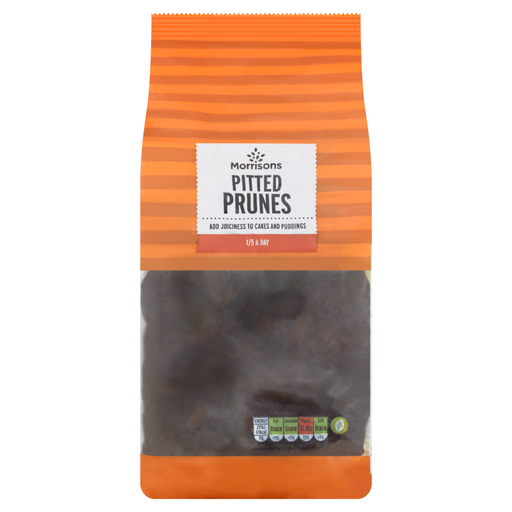
Why This Fits Their Persona: This generous 500g pack is ideal for families who use prunes regularly. It provides excellent value for money and is perfect for everything from breakfast toppings and lunchbox snacks to adding natural sweetness to home-cooked meals.
It directly counters the "hidden sweetener" trap with a simple ingredients list: just pitted prunes and a preservative. It also avoids the "value mismatch" by offering a large, economical pack size.
Contains no added sugar, making it a versatile and wholesome choice. The large pack is ideal for frequent use in baking and cooking.
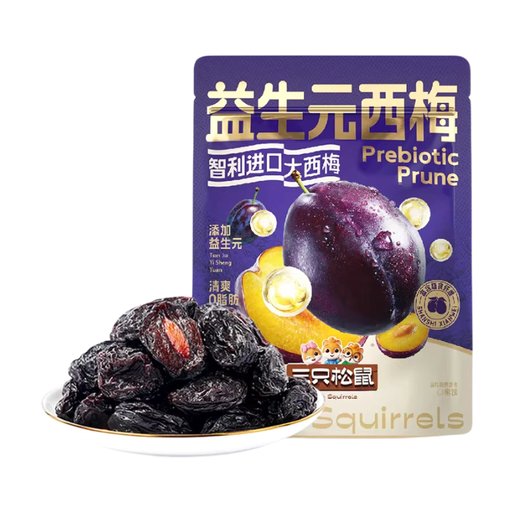
Why This Fits Their Persona: This user is specifically looking for prunes to support their digestive routine. This product is enriched with prebiotic fibre (fructo-oligosaccharides), aligning perfectly with their goal of promoting gut health.
While it contains sweeteners, this is a functional food where the added prebiotics are the main feature, not a hidden flaw. It's a deliberate choice for those prioritising this specific benefit over a "no added sugar" label.
Fortified with prebiotic fibre. The soft, juicy texture and individual wrapping make it a convenient, ready-to-eat functional snack.

Why This Fits Their Persona: For busy individuals who need a quick, no-mess snack for their desk or commute, this product's individual packaging is a key benefit. It offers portion control and ultimate portability.
While it falls into the "value mismatch" trap if compared to bulk bags, it excels in convenience. It also avoids the "dry texture" issue by delivering a soft, chewy bite, though users should note the presence of added sweeteners.
Extremely convenient individual packaging. The sweet and sour flavour profile makes for a satisfying and flavourful snack.
We have compiled a complete, real-time list of products that fully satisfy these strict selection criteria and UK safety regulations.
1. How should I store pitted dried prunes to keep them fresh? For most dried prunes, the best method is to store them in a cool, dark and dry place like a pantry cupboard. After opening the pack, it is advisable to transfer them to an airtight container. This prevents them from drying out and helps maintain their soft, plump texture for longer.
2. Can I use any type of pitted dried prunes for baking? For the most consistent results in baking, it is recommended to use standard no added sugar prunes. Products that are packed in juice can introduce extra moisture and sweetness, potentially altering the balance of your recipe. Similarly, prunes with strong added flavourings may not complement the taste of your final dish. Always check the ingredients list before adding them to your mix.
3. Are dried plums the same as pitted dried prunes? Yes, the terms are often used interchangeably. Prunes are simply dried plums. The term "pitted" specifies that the stone has been removed, which is the most common format available for snacking and cooking, making them convenient and ready to eat.