
24/7 Customer Support

Free returns

Same-day & Next-day Delivery

Quality Guaranteed

Unlock Your Welcome Offers: FREE Delivery | Up to 80% OFF | Free 30-day JoyPlus trial
Download the APP
A jar of good quality pitted olives can be a lifesaver in the kitchen. It’s a simple ingredient that can instantly elevate a weeknight pasta, add a savoury kick to a salad or form the backbone of an impressive antipasti platter. However, the convenience of ready-to-use olives can sometimes lead to disappointment. Many of us have been let down by a jar that promised more than it delivered.
Before you add a jar to your basket, it pays to be aware of a few common pitfalls. A frequent issue is the mushy texture trap, where olives that should be firm and satisfying are instead soft and fall apart. Another is the problem of overpowering brine, where excessive salt or acidity completely masks the olive's natural flavour. Finally, some marinated olives are little more than olives sitting in a flavourless oil with a few specks of dried herbs, lacking the rich, infused taste you expect.
To avoid these issues and choose a jar that will genuinely enhance your meals, it helps to understand a few key factors. Paying attention to these details can make all the difference between a forgettable ingredient and a pantry staple.
The liquid the olives are preserved in is fundamental to their final taste and texture.
Not all olives are created equal. The type of olive determines its flavour profile and best culinary use. Spanish Manzanilla olives, for example, are often used for pitted green olives and are known for their crisp texture and mild, nutty taste. They are excellent all-rounders. Larger varieties like Queen olives offer a meatier bite, perfect for snacking.
When selecting, consider your primary use:
pitted green olives or jarred black olives in brine are ideal, as their flavour will complement other ingredients without overwhelming them.marinated olives or a mix of varieties to provide visual appeal and a range of flavours.pimiento stuffed olives are the go-to choice for cocktail olives, offering a pop of colour and a hint of sweetness from the red pepper.Take a moment to scan the ingredient list. High-quality olives don't need a long list of additives. The core ingredients should be simple: olives, water and salt. An acid regulator like citric or lactic acid is common and acceptable for maintaining stability. Be wary of jars with artificial colours, flavour enhancers or excessive preservatives, as these can sometimes be used to compensate for lower-quality raw ingredients.
To help you navigate the choices, we've matched a few reliable options to different needs, focusing on products that deliver on their promise of flavour and quality.
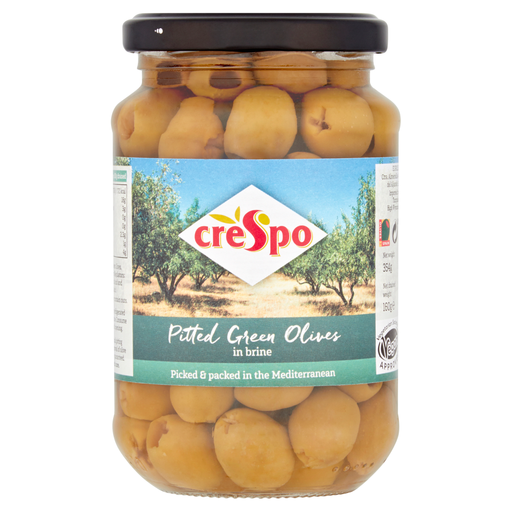
Why This Fits Their Persona: This is a dependable pantry staple for the UK home cook. These olives are versatile enough for tossing into a Greek salad, stirring into a tomato sauce for pasta or simply setting out for a quick snack. They offer a clean, classic flavour that won't overpower your dishes.
The product description specifically notes a firm, non-mushy texture and a delicate brine, directly addressing the common pitfalls of poor texture and overly aggressive preservation liquids.
Preserved in a simple, classic brine with no artificial colourings. Pitted for maximum convenience in everyday cooking.
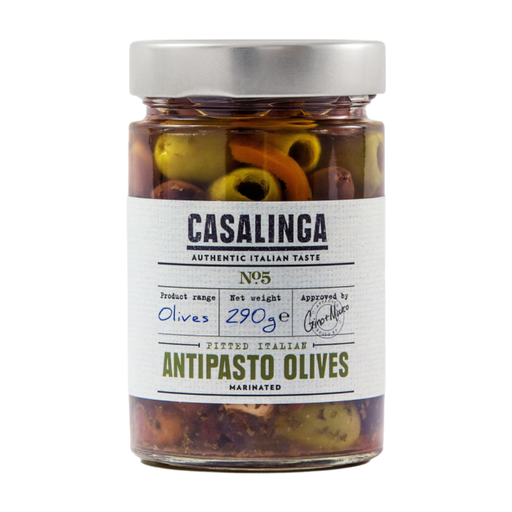
Why This Fits Their Persona: For someone who loves hosting and building grazing platters, this mix is ready to serve straight from the jar. It combines green and black olives with peppers and garlic, offering a complete flavour profile that pairs beautifully with cheeses and cured meats.
This product avoids the bland marinade trap by using a blend of sunflower oil, real pepper strips, garlic cloves and spices, ensuring the flavour is genuinely infused into the olives.
A ready-made, flavourful mix of olives for antipasti. The combination of different olives and vegetables provides texture and visual variety for platters.
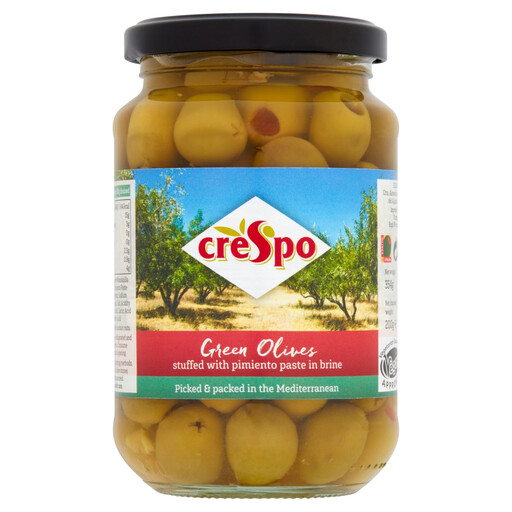
Why This Fits Their Persona: For anyone mixing classic cocktails like martinis or serving canapés, these pimiento-stuffed olives are the perfect garnish. They provide the essential briny flavour with a subtle sweetness from the pimiento paste, plus the classic look that makes a drink feel complete.
These are not just generic green olives; they are specifically Manzanilla olives stuffed with real pimiento paste, delivering the authentic, balanced flavour expected of classic cocktail olives.
Plump olives with a vibrant red pimiento centre for great visual appeal. The flavour profile is a balanced mix of savoury and subtly sweet, ideal for garnishing drinks.
We have compiled a complete, real-time list of products that fully satisfy these strict selection criteria and UK safety regulations.
Once you open a jar of olives, you should store it in the refrigerator. To maintain their quality, ensure the olives remain fully submerged in their original brine or oil. Most manufacturers recommend consuming them within two weeks of opening.
Green and black olives are not different species; the colour difference comes from their ripeness when harvested. Green olives are picked before they are fully ripe, which gives them a firmer texture and a more robust, sharp flavour. Black olives are left to ripen on the tree, resulting in a softer texture and a milder, richer taste.
Yes, it's always a good idea to be careful. The term 'pitted' means the olives have been processed by a machine to remove the stone. While this process is highly effective, it is not infallible. Most packaging includes a warning that, despite the care taken, some pits or fragments may occasionally remain. It's a sensible precaution, especially when serving them to children.