
24/7 Customer Support

Free returns

Same-day & Next-day Delivery

Quality Guaranteed

Unlock Your Welcome Offers: FREE Delivery | Up to 80% OFF | Free 30-day JoyPlus trial
Download the APP
As a Joybuy Product Recommendation Officer, I often see UK home cooks invest time and effort into creating authentic Sichuan dishes, only to be let down by one crucial component: the bean paste. If your mapo tofu or twice-cooked pork lacks that deep, complex flavour you find in restaurants, the culprit is likely in your pantry. Navigating the world of Chinese fermented bean paste can be confusing, but a few key insights can help you avoid common purchasing mistakes.
The most frequent pitfall is choosing a paste that looks the part but lacks authentic foundations. Many generic chilli sauces or pastes use the wrong ingredients or skip essential fermentation steps, resulting in a flat, one-dimensional heat. Let's clarify the essential details to ensure you get the right product for genuine Sichuan flavour.
When selecting a Sichuan chilli bean paste, many shoppers are misled by packaging or placement on the shelf. Here are two common traps that can compromise your cooking:
To ensure you are buying the real deal, focus on these two core parameters. They are the difference between a good attempt and a great dish.
The term "Pixian" (郫县) is more than just a name; it is a protected geographical indication. Much like Stilton cheese or a Melton Mowbray pork pie, it signifies that the paste was produced in the Pixian district of Chengdu, Sichuan, using traditional methods. This region's unique climate and centuries-old fermentation techniques are crucial for developing the paste's signature deep, savoury and complex flavour profile. When you see "Pixian" on the label, it's a strong indicator of authenticity and quality.
The soul of doubanjiang is the broad bean paste. While many other Asian pastes use soybeans, the authentic Sichuan chilli bean paste relies on fermented broad beans (fava beans). Always check the ingredients list. "Broad bean" or "fava bean" should be one of the primary ingredients, along with chillies, salt and wheat flour. This is what provides the robust, earthy umami that soybeans alone cannot replicate. This ingredient is essential whether you are making a mapo tofu paste or a base for a twice cooked pork sauce. While other regional varieties like Juancheng doubanjiang exist, the Pixian style is celebrated for its specific use of broad beans.
Based on these criteria, we've matched a few products to different cooking styles and needs. This is not a ranking, but a guide to help you find the right fit.
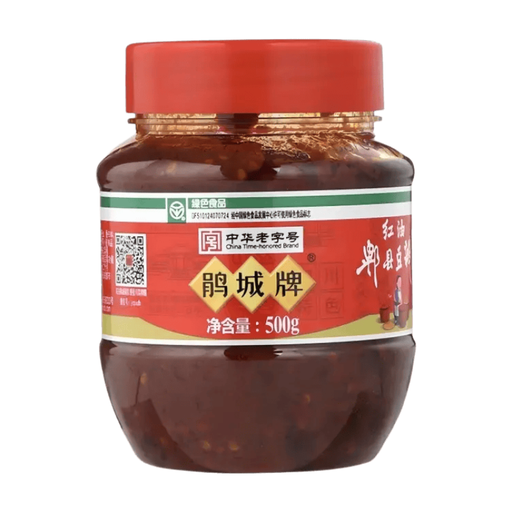
Why This Fits Their Persona: This is for the home cook dedicated to replicating restaurant-quality Sichuan dishes. They understand the importance of starting with a genuine, high-quality base for their mapo tofu, hot pot or twice-cooked pork.
It is a genuine Pixian-style paste made with broad beans, not a generic chilli sauce. Its certification as an intangible cultural heritage product confirms its traditional production method.
Features a rich, deep red colour and complex, savoury flavour. The 500g pack is a practical size for those who cook Sichuan cuisine regularly.
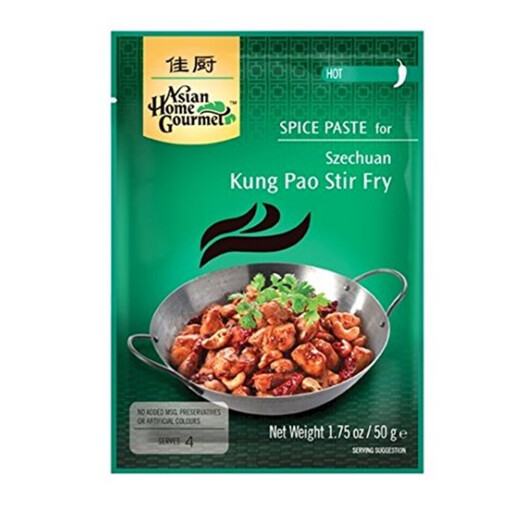
Why This Fits Their Persona: Perfect for the busy individual who loves the bold taste of Sichuan food but doesn't have the time or pantry space to build a complex sauce from multiple ingredients. This offers a shortcut to a specific dish.
This is a purpose-built stir-fry paste, not a single ingredient. It avoids the trap of trying to make a Kung Pao dish with an unsuitable sauce by providing a balanced flavour profile out of the packet.
A complete sauce base that includes Szechuan peppercorns for the authentic numbing sensation (mala). The 50g portion is ideal for a single meal, reducing waste.

Why This Fits Their Persona: For cooks exploring other Chinese regional cuisines, particularly Northern styles, who need a rich, savoury base for stews, noodles (like Zha Jiang Mian) or dipping sauces without any chilli heat.
This is a non-spicy soybean paste, clearly distinct from a Sichuan chilli paste. This prevents the common error of buying a bean paste for a Sichuan dish that turns out to have no heat at all.
Made from non-GMO soybeans, it delivers a pure, deep umami flavour. It is highly versatile for any application requiring a savoury, fermented bean taste without spice.
We have compiled a complete, real-time list of products that fully satisfy these strict selection criteria and UK safety regulations.
Thanks to its high salt content and fermentation, doubanjiang is a very stable product. Once opened, store it in an airtight container in the refrigerator. It can easily last for many months, often up to a year. You may notice the colour darkens and the flavour deepens over time, which is a normal part of the ageing process.
Not exactly. Pixian doubanjiang is the single most important ingredient in an authentic mapo tofu paste. However, a complete sauce for mapo tofu also requires other components like fermented black beans (douchi), ground Sichuan peppercorns, garlic and ginger. You can buy pre-made mapo tofu sauces, but using a quality doubanjiang as your base gives you much more control over the final flavour.