
24/7 Customer Support

Free returns

Same-day & Next-day Delivery

Quality Guaranteed

Unlock Your Welcome Offers: FREE Delivery | Up to 80% OFF | Free 30-day JoyPlus trial
Download the APP
If you've ever tried to recreate the bold, complex flavours of a restaurant-quality Mapo Tofu or Twice-Cooked Pork at home, you know that the secret often lies in one key ingredient: Pixian Broad Bean Paste. Known as doubanjiang, this fermented paste is the cornerstone of Sichuan cuisine, providing a depth of savoury, spicy and umami notes that is simply irreplaceable.
However, navigating the world of Sichuan chili bean paste can be confusing. With terms like "premium grade," "red oil" and "zero additives," how do you choose the right one for your kitchen? As the Joybuy Product Recommendation Officer, my role is to help you understand these differences so you can select the perfect paste to bring authentic Sichuan flavours to your cooking. This guide will break down what to look for and highlight a few excellent options available.
Choosing the right doubanjiang comes down to understanding a few key characteristics. Paying attention to these details will ensure you get the flavour profile you're looking for.
The depth of flavour in a fermented broad bean paste is largely determined by its fermentation time. A "premium grade" paste has typically been aged for a longer period, sometimes for several years. This extended process breaks down the proteins in the broad beans, resulting in a much richer, darker and more complex umami flavour with less sharp saltiness. Standard grades are fermented for a shorter time, offering a brighter, saltier and more direct spiciness.
An authentic Pixian Broad Bean Paste has a straightforward ingredients list: broad beans, chillies, salt and wheat flour. Some variations are worth noting:
The texture of spicy bean paste can vary. Some are chunkier, with visible pieces of broad beans and chili skins, which add a rustic quality to dishes. Others are smoother and more paste-like. The choice is a matter of personal preference and the specific dish you are preparing. For a smooth Mapo Tofu sauce, a finer paste might be preferable, while a heartier stew could benefit from a coarser texture.
Based on these criteria, here are our recommendations from the respected Juan Cheng brand, a time-honoured producer from the Pidu District of Sichuan.
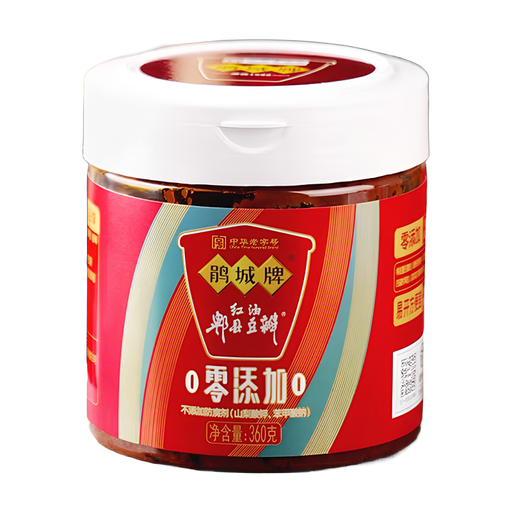
Why It Stands Out: This paste is all about pure, unadulterated flavour. By omitting additives, it allows the natural taste of the fermented broad beans and chillies to shine through, delivering the classic Pixian profile that is savoury, mellow and mildly spicy.
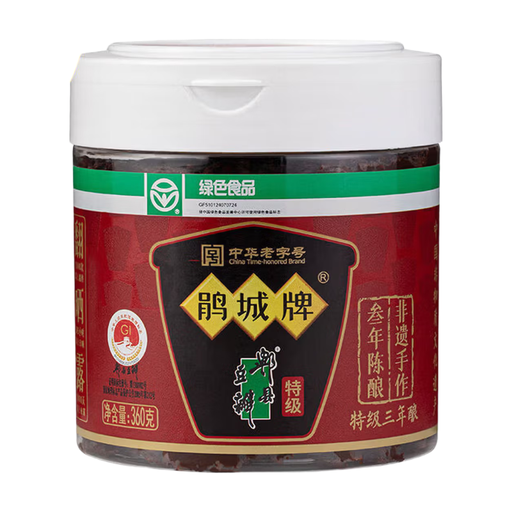
Why It Stands Out: The "Premium Grade" designation indicates a longer aging process. This results in a paste that is noticeably darker in colour and possesses a deep, complex and intensely savoury flavour. It's less about sharp heat and more about building a profound umami foundation in your cooking.
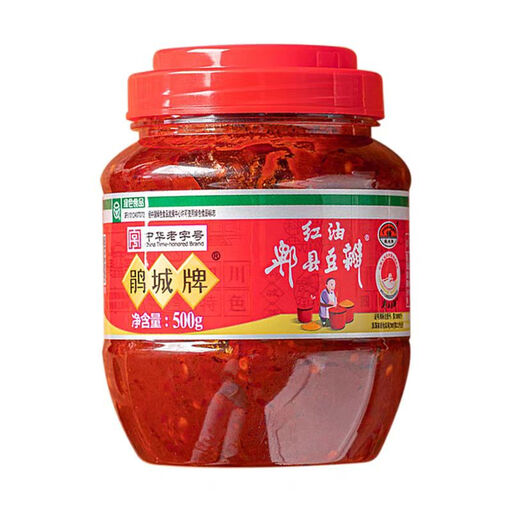
Why It Stands Out: This version is defined by its glossy, oily texture and vibrant colour. The inclusion of rapeseed oil makes it incredibly easy to achieve the signature red sheen of Sichuan cooking. It blooms beautifully when stir-fried, releasing a rich aroma and colouring the entire dish.
While these three selections from Juan Cheng offer a fantastic starting point for any home cook, the world of fermented pastes is vast. If you'd like to explore a wider variety of pastes, including different brands or regional styles, feel free to browse our full collection of bean sauces.
1. What is the difference between Pixian broad bean paste and other chili pastes? The primary difference lies in its core ingredients and origin. Authentic Pixian doubanjiang is made specifically with fermented broad beans and chillies from the Pidu District of Sichuan. This combination, along with its unique aging process, gives it a deep, savoury, umami flavour that distinguishes it from other chili pastes like Korean gochujang (which uses soybeans and rice) or simple chili-garlic sauces that lack the fermented complexity.
2. How do I store doubanjiang after opening? Before opening, store it in a cool, dry place away from direct sunlight. Once opened, it is important to seal it tightly and keep it refrigerated. This helps to preserve its flavour and prevent spoilage. Always use a clean, dry spoon when taking paste from the jar to avoid introducing contaminants.
3. Do I need to cook Pixian broad bean paste? Yes, it is a raw, fermented product that should be cooked before consumption. The most important step is to "bloom" the paste. To do this, add it to a wok or pan with a generous amount of oil over low-to-medium heat. Stir-fry the paste for a minute or two until it becomes fragrant and the oil turns a deep red colour. This crucial step unlocks its full aroma and flavour, forming the foundation of your dish.