Small-batch picnic pizza makers
If you usually prepare one modest batch, check that its dough quantity fits the mixer’s stated limit without choosing a machine too large for your worktop or cupboard.


Choose a stand mixer by the amount of pizza dough you need to make at once, then check whether you have room to use and store it. A compact model can suit a modest batch, while regular group-sized batches call for closer attention to the exact model’s stated dough capacity and the space a larger machine takes up. Prepare the dough at home; plan separately for transporting any chilled picnic food.
If you usually prepare one modest batch, check that its dough quantity fits the mixer’s stated limit without choosing a machine too large for your worktop or cupboard.
If you make several pizzas for a family or group, compare the intended batch with each model’s stated dough capacity. Otherwise, you may need to split the dough into separate mixes.
If you regularly knead larger or stiffer batches, pay particular attention to the model’s dough limit and bowl design, while allowing for the space and lifting involved in storing a larger mixer.
Start with the amount of dough your pizzas require, then check the mixer’s fit in your kitchen and its instructions for kneading. A bowl’s volume and a motor’s wattage do not replace the exact model’s stated dough limit.
| Concern | What to check | Who this matters to |
|---|---|---|
| Dough batch size | Compare your batch with the exact model’s stated dough or yeast-dough limit, noting which type of dough the figure covers. | If I am making several pizzas for a group, I want to mix enough dough without repeatedly dividing the batch. Around 42% of consumers would put batch capacity first. |
| Worktop and storage space | Check the model’s dimensions and weight against your counter, cupboard and overhead clearance. | With little room to leave a mixer out, I need one I can accommodate between baking sessions; for around 33% of consumers, space is the primary concern. |
| Repeated dough kneading | Confirm the dough-hook arrangement and follow the exact model’s dough limit and operating instructions. | When I knead heavier batches regularly, I care most about a setup suited to that repeated task. That would be the leading need for around 25% of consumers. |
A wattage figure does not tell you how much dough the exact mixer can knead. Manufacturers state dough limits separately from bowl size and motor specifications.
Compare the model’s stated dough capacity with your intended batch, and check which dough type that limit describes.
Capacity is only part of the decision if you must lift the mixer into a cupboard. For scale, Kenwood lists its Chef XL Titanium KVL8320S at 13.62 kg.
Measure the counter and storage route, including clearance above the machine, before choosing a larger format.
The mixer is for dough preparation at home. Transporting the finished food is a separate decision, particularly when the picnic includes chilled toppings or other cold foods.
Choose the mixer for your home batch and storage needs, then plan how applicable chilled foods will stay cold on the journey.
Kenwood’s Chef XL Titanium KVL8320S provides a model-specific reference point for larger batches: Kenwood states a 6.7 L bowl and 2.56 kg dough capacity.
KitchenAid offers tilt-head and bowl-lift formats. For its 5.6 L Artisan bowl-lift model, KitchenAid states a maximum of 3.7 kg of bread dough.
Bosch identifies 1.7 kg or 1.9 kg yeast-dough capacities as options for small or medium pizza-dough quantities. Its MUM58W20GB has a stated 1.9 kg yeast-dough limit.
These stand mixers are relevant to preparing pizza dough at home before a picnic. Compare each model’s stated bowl or dough information with your intended batch, and check its storage fit; the listed products do not all establish the same pizza-dough limit.
 No image available
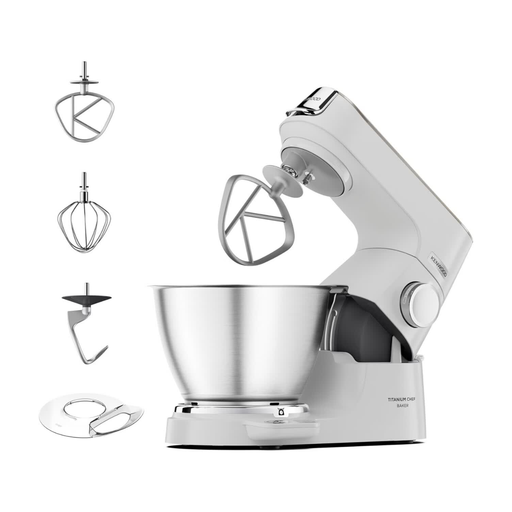
Consider this model if you prepare a modest batch and need to check how the mixer fits your kitchen.
The product name specifies a 4.3 L bowl, 1000 W and three bowl tools. Check which tool is supplied for dough and how the applicable dough limit relates to your recipe; bowl volume alone does not establish the finished batch size.
 No image available
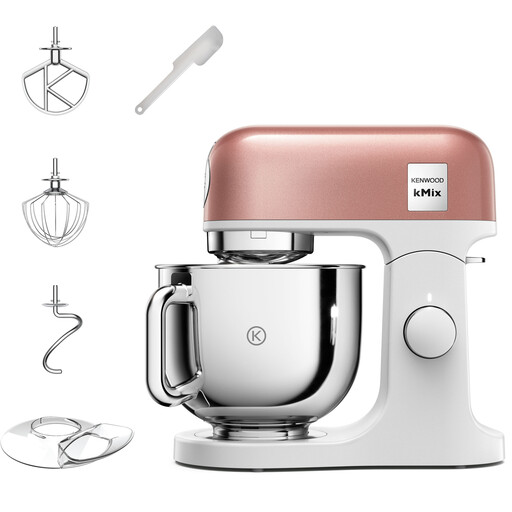
This is a model to assess if a stated dough limit matters more to you than choosing solely by bowl size.
Check that its dough limit suits your pizza recipe, and measure the counter and storage space needed for this specific mixer.
 No image available
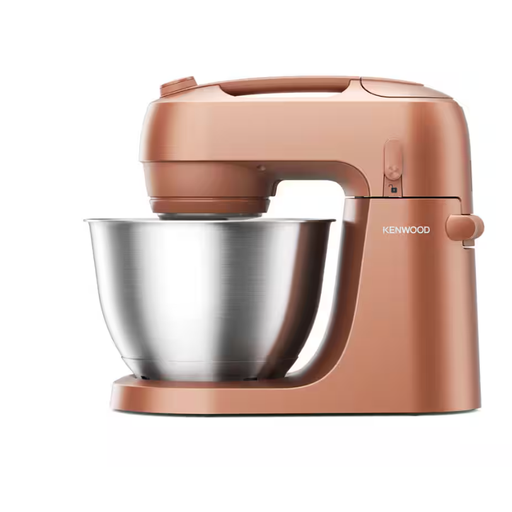
Consider this model if you want to compare a stated limit for stiff yeast dough with your planned pizza batch.
That dough type is not automatically the same as your finished pizza dough. Check the applicable limit and the model’s operating and cooling instructions before planning repeated mixes.
 No image available
If kitchen space is your main constraint, compare this mixer’s dimensions with where you would use and store it.
Before planning pizzas for a group, check the permitted dough quantity for the exact model rather than relying on a serving-size description.
 No image available
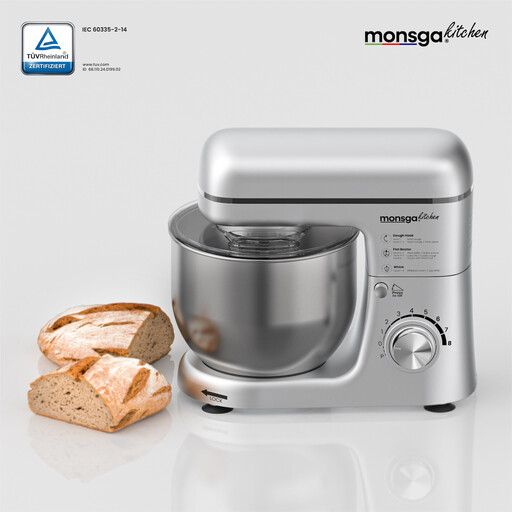
This is an option to assess if you want a dough hook for preparing pizza dough at home.
Its product name specifies a 5.0 L stainless-steel bowl, eight speed settings and a dough hook. Confirm the usable bowl fill level and the permitted dough quantity for your intended batch; neither follows from the bowl capacity alone.
Usually not: use the mixer to prepare dough at home, where you can set it on a suitable worktop and follow its operating instructions. For the picnic, plan how to carry the prepared food and keep any foods that need chilling cold.
No. Compare your intended batch with the exact model’s stated dough, yeast-dough or bread-dough capacity, and note which type the figure covers. Bowl litres describe the bowl, not by themselves how much dough the mixer may knead.
Check whether the exact mixer is supplied with or supports a dough hook. Bosch’s pizza recipe uses a dough hook on its slowest-speed setting, but use the instructions for the mixer and recipe you actually choose.
Keep foods that need chilling cold during transport. The Food Standards Agency’s picnic advice covers keeping food clean and chilled in England, Northern Ireland and Wales. In Scotland, Food Standards Scotland advises using a cool box or bag with ice, frozen gel packs or frozen drinks for cold food; it also advises eating ready-to-eat foods within four hours of taking them from the fridge.