
24/7 Customer Support

Free returns

Same-day & Next-day Delivery

Quality Guaranteed

Unlock Your Welcome Offers: FREE Delivery | Up to 80% OFF | Free 30-day JoyPlus trial
Download the APP
Choosing plant-based food and drinks can make supermarket shopping more complicated than expected. A carton labelled “plant-based” may still contain allergens, added sweeteners or milk-derived ingredients, while a large multipack may offer poor value if it is not used before opening.
This guide explains what to check before buying vegan milk alternatives, dairy-free drinks, pantry ingredients and plant-based desserts. It also highlights suitable options for different UK household needs, from coffee-making and breakfast routines to baby food and long-life cupboard storage.
“Plant-based” does not always mean completely free from animal-derived ingredients. For example, some coconut products use sodium caseinate, a milk-derived ingredient, while certain coconut milk powders also contain milk protein. Products may also contain soy, nuts, peanuts, sesame or cereals containing gluten.
Always check the full ingredients list and allergen statement rather than relying only on the front label. This is particularly important when buying dairy-free snacks, coconut milk or products for children.
A product described as having no added sugar may still contain naturally occurring sugars. Conversely, some soy milk powder products include sugar, maltose syrup or maltodextrin. Compare the “of which sugars” figure per 100g or 100ml and check the serving size.
For example, the listed Alpro Oat No Sugars Long Life Drink provides 0g sugar per 100ml, while the Alpro Barista Oat version lists 3.0g per 100ml from naturally occurring oat sugars. Neither is automatically suitable for every drink or recipe; the choice depends on flavour and intended use.
Long-life plant milk is convenient before opening, but UHT processing does not remove the need for refrigeration afterwards. The Alpro oat and almond drinks should be refrigerated between 1°C and 7°C after opening and used within five days. Coconut milk cartons may require use within three to five days, depending on the product.
Check how quickly your household consumes an opened carton before buying a large multipack. A shelf-stable pack is useful for small kitchens, office cupboards and emergency pantry supplies, but only when the storage instructions suit your routine.
For vegan milk alternatives, check:
“Oat milk” can contain gluten-containing oats, so it may not suit shoppers avoiding gluten. Almond milk is unsuitable for people with almond allergies, while soy milk powder requires careful preparation and usually needs to be consumed soon after mixing.
Compare products using the same measurement. Useful points include:
Nutrition figures do not determine whether a product suits your diet, but they help prevent misleading comparisons between a sweetened dessert, a cooking ingredient and an everyday drink.
Large packs can reduce the number of shopping trips, but smaller formats may reduce waste. A 200g ready-to-drink coconut beverage is designed for immediate use, whereas a 1L carton is more practical for cooking or family breakfasts.
For powders, check the mixing instructions. YON HO Original Soy Milk Powder recommends approximately 25g mixed with 200–250ml of hot water. Powdered products should be stored in a cool, dry place and prepared according to the label.

Why This Fits Their Persona: The eight 1L cartons provide a practical cupboard stock for households replacing dairy milk across breakfasts, hot drinks and smoothies.
The nutrition panel lists 0g sugar per 100ml and the product is labelled dairy-free and lactose-free. Oats remain an allergen to check.
UHT format; contains calcium, iodine and vitamins B2, B12 and D2; suitable for use in cereal, tea and coffee.
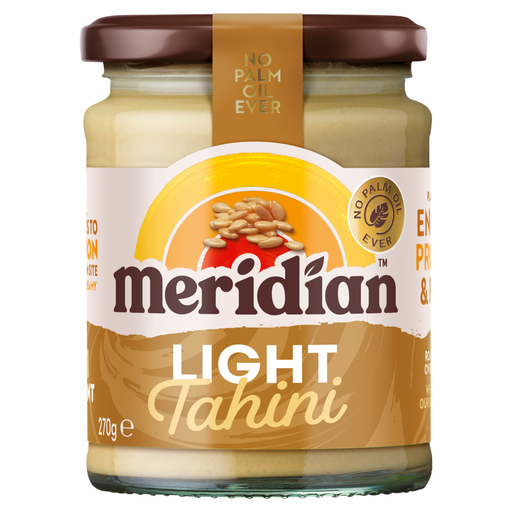
Why This Fits Their Persona: A short ingredient list suits shoppers seeking a straightforward vegan pantry staple for hummus, sauces, dressings and baking.
It lists roasted hulled sesame seeds as the only ingredient, with no added sugar or salt. Natural oil separation is expected, so stirring is necessary.
Vegan, dairy-free and gluten-free; shelf-stable before opening; contains sesame and may contain nuts or peanuts.
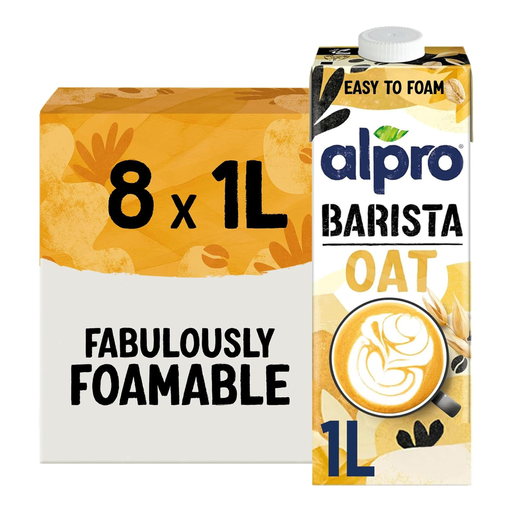
Why This Fits Their Persona: Its barista-style formulation is designed for hot coffee, iced drinks and milk frothing at home.
The pack states no added sugars, while the nutrition panel identifies 3.0g sugars per 100ml. This makes the distinction clear.
Foamable texture; 0.2g saturated fat per 100ml; UHT storage before opening.
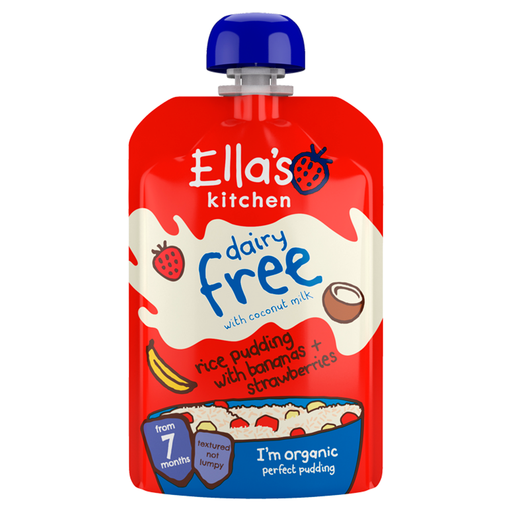
Why This Fits Their Persona: A cupboard-friendly portion for parents looking for an organic, dairy-free dessert or snack for children aged seven months and above.
The stated age guidance, ingredient list and no-added-sugar information are clear. Check the packaging and your child’s dietary requirements before serving.
Organic ingredients; coconut milk-based rice pudding; store in a cupboard and refrigerate for up to 24 hours after opening.
We have compiled a complete, real-time list of products that fully satisfy these strict selection criteria and UK safety regulations.
The cost depends on brand, pack size and promotions. Long-life multipacks can reduce the price per litre and help avoid frequent shops, but compare the total pack price with the usable volume. Fortified drinks may also cost more than basic alternatives, so check whether calcium or vitamin additions are important for your household.
Most products should be refrigerated after opening and consumed within around five days, although the label takes priority. Before opening, store cartons in a cool, dry place and check the best-before date. Do not freeze products unless the packaging specifically allows it, as texture can change.
Tahini made solely from sesame seeds is generally suitable for vegan and dairy-free diets. Meridian Natural Light Tahini lists roasted hulled sesame seeds as its sole ingredient, but it contains sesame and may contain nuts or peanuts. Always read the current packaging, particularly when buying for someone with an allergy.