
24/7 Customer Support

Free returns

Same-day & Next-day Delivery

Quality Guaranteed

Unlock Your Welcome Offers: FREE Delivery | Up to 80% OFF | Free 30-day JoyPlus trial
Download the APP
Navigating the world of plant-based food in the UK can be a challenge. With labels promising health benefits and authentic flavours, it is easy to end up with products that are disappointing, overly processed or simply not what you expected. As a Joybuy Product Recommendation Officer, my role is to help you see past the marketing and make informed choices.
Many shoppers find themselves caught in a few common traps. Firstly, the "healthy halo" effect, where a "plant-based" label masks high levels of salt, sugar or processed fillers. Secondly, vague "high protein" claims that don't stand up to scrutiny when you check the nutritional panel. Finally, there is the frequent let-down of plant-based meat alternatives that fail on texture and taste, ending up as a waste of money. This guide will help you identify these issues and select products that genuinely fit your lifestyle.
To ensure you buy vegan food online with confidence, focus on a few key details beyond the front-of-pack advertising. These parameters are crucial for separating quality products from the marketing hype.
The most reliable indicator of a product's quality is its ingredient list. A shorter list with recognisable, whole-food ingredients is often a good sign. Be cautious of products where sugar or salt appear near the top of the list.
When looking at plant-based meat alternatives, check what the primary protein source is. Common bases include:
Pay attention to the Quantitative Ingredient Declaration (QUID), which tells you the percentage of key ingredients. This helps you understand if a product claiming to be a "seaweed snack" contains a meaningful amount of seaweed or is mostly filler.
Front-of-pack claims can be a useful starting point, but the nutritional panel provides the facts. When assessing high protein vegetarian meals or snacks, look for the protein value per 100g. A product with 15g of protein or more per 100g is generally considered a high-protein source.
Also, consider:
The growing interest in plant-based food UK has led to a fantastic variety of international options. Exploring Asian vegetarian food, for example, can introduce you to new textures and flavours developed over centuries. Products like dried tofu, vegetarian char siu and oat noodles offer authentic culinary experiences that go beyond standard Western meat substitutes. Consider whether a product is ready-to-eat, requires simple heating or is an ingredient for a more complex dish, and choose what best suits your routine.
Based on these practical criteria, here are a few recommendations matched to different needs and lifestyles.
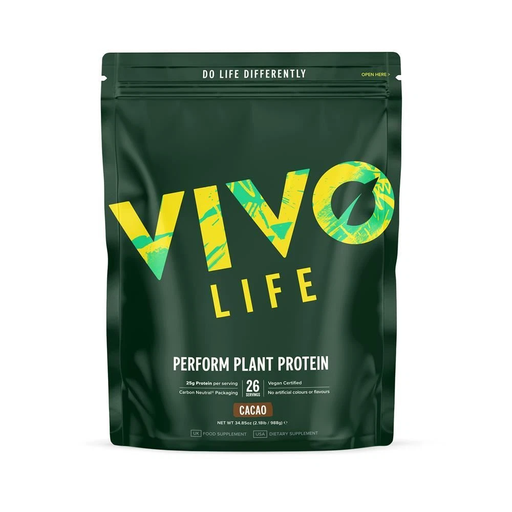
Why This Fits Their Persona: This is designed for those who need a reliable protein boost post-workout or to supplement their daily intake. It is formulated specifically for performance and recovery, making it a practical choice for an active lifestyle in the UK.
It sidesteps the vague "high protein" trap by providing a clear 25g of protein per serving from a specified triple-plant blend. It also includes a BCAA complex to support muscle maintenance.
Features a blend of pea, brown rice and pumpkin seed protein for a complete amino acid profile. It is also fortified with zinc and iron and uses natural sweeteners.
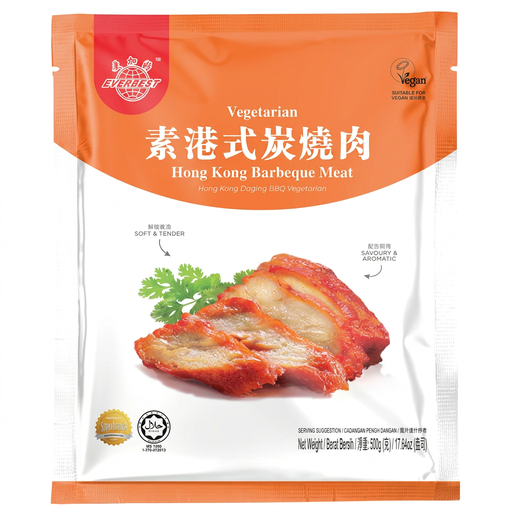
Why This Fits Their Persona: Perfect for the home cook who loves exploring global cuisines. This product allows you to recreate the authentic flavour of Hong Kong-style Char Siu, a popular barbecue dish, without meat. It is an ingredient that inspires creativity in the kitchen.
This directly counters the "flavour and texture disappointment" trap. By using wheat gluten as its base and a traditional spice blend, it delivers a satisfyingly chewy texture and a fragrant, savoury-sweet flavour profile.
Offers an authentic `Asian vegetarian food` experience. It is a versatile frozen product that can be used in stir-fries, noodle soups or as a main dish.

Why This Fits Their Persona: This is for anyone seeking interesting and satisfying `vegan snacks` that are ready to eat. The individual vacuum-sealed pouch makes it ideal for on-the-go snacking, adding to a lunchbox or a quick protein hit during a busy day.
It avoids the "healthy halo" trap by being transparent. While a flavourful snack, it clearly lists its ingredients and provides a substantial 21g of protein per 100g from non-GMO soybeans, making it a genuinely high-protein choice.
Offers an authentic Sichuan flavour with a firm, chewy texture. It is a convenient, ready-to-eat snack that delivers a significant amount of plant-based protein.
We have compiled a complete, real-time list of products that fully satisfy these strict selection criteria and UK safety regulations.
The healthiest options are typically those with shorter ingredient lists based on whole foods. Look for products made primarily from soy (like tofu and tempeh), wheat gluten (seitan) or legumes. Always check the nutritional panel for lower levels of sodium and saturated fat, and a higher protein and fibre content.
Absolutely. A well-planned plant-based diet can provide all the protein you need. The key is to eat a variety of sources throughout the day, such as lentils, beans, chickpeas, tofu, seitan, nuts, seeds and whole grains. For those with higher needs, such as athletes, incorporating high protein vegetarian meals and products like protein-fortified healthy breakfast cereals or plant protein powders can be very effective.
The cost can vary. While some highly specialised meat analogues can be more expensive, buying staples online can be very cost-effective. Items like dried noodles, grains, legumes and shelf-stable vegan snacks are often cheaper when purchased in larger quantities. Shopping online also provides a wider selection, allowing you to compare prices and find products that fit your budget.