
24/7 Customer Support

Free returns

Same-day & Next-day Delivery

Quality Guaranteed

Unlock Your Welcome Offers: FREE Delivery | Up to 80% OFF | Free 30-day JoyPlus trial
Download the APP
Navigating the world of plant-based milk alternatives can feel overwhelming. The shelves are packed with options, all promising a healthier, dairy-free lifestyle. Yet, many of us have been left disappointed by a carton that was surprisingly high in sugar, a milk that separated in our morning coffee or a product that simply didn't deliver the creamy texture we needed for a recipe.
As a Joybuy Product Recommendation Officer, my role is to help you see past the marketing and make informed choices. Before you add another carton to your basket, let's look at the common pitfalls that lead to buyer's remorse.
To ensure you get a product that meets your needs, focus on these three non-negotiable details on the packaging.
The ingredient list is your most reliable source of information. Ingredients are listed by weight, so the first one is the most prominent. For a quality plant-based milk, you want to see the main ingredient (e.g., soybeans, coconut extract) listed first or second, after water. Pay attention to the percentage. A higher percentage generally means a richer, more flavourful product. Be wary of products where sugar or syrups appear high on the list.
Look at the "of which sugars" line in the nutritional information. This figure includes both naturally occurring and added sugars. For a truly low-sugar option, this number should be very low (under 5g per 100ml is a good benchmark). If you're looking for sugar-free soy milk, check that the ingredients list does not include sucrose, glucose syrup or other forms of sugar. Some products use sweeteners like malt syrup, which can be a suitable alternative for those managing their sucrose intake.
The format of your plant-based milk should match its purpose.
Instead of a one-size-fits-all approach, we've matched some reliable products to specific needs and lifestyles.

Why This Fits Their Persona: Ideal for those who cook Caribbean or Asian cuisines. This powder format is a pantry essential, allowing you to make rich, creamy coconut milk for curries, sauces and desserts without worrying about finishing an entire can or carton.
It solves the "watery consistency" and "format mismatch" problems. You control the thickness by adjusting the powder-to-water ratio, ensuring perfect creaminess for cooking and avoiding waste.
Long shelf life makes it a reliable pantry staple. Made from mature coconut extract for an authentic, rich flavour. Note: Contains Sodium Caseinate (a milk protein).
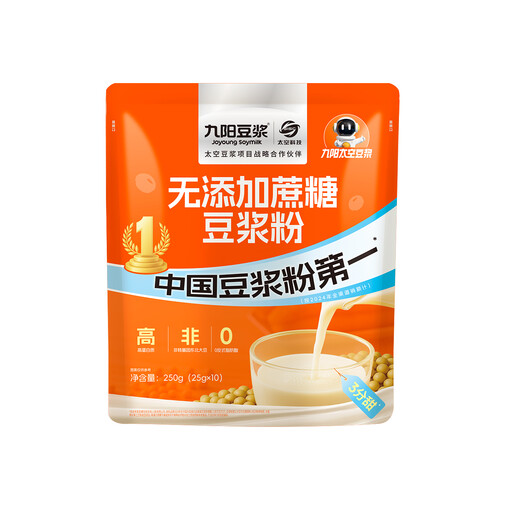
Why This Fits Their Persona: Perfect for busy individuals who want a quick, nutritious drink without added sucrose. The individual 25g sachets are easy to take to the office or gym, requiring only hot water for a satisfying soy milk drink.
This product directly tackles the "hidden sugar trap." It contains no added sucrose, with sweetness derived from malt syrup, making it a transparent choice for those monitoring sugar intake.
High soybean content (50%) ensures a rich, authentic soy flavour. The single-serving packs offer excellent convenience and portion control, reducing waste.
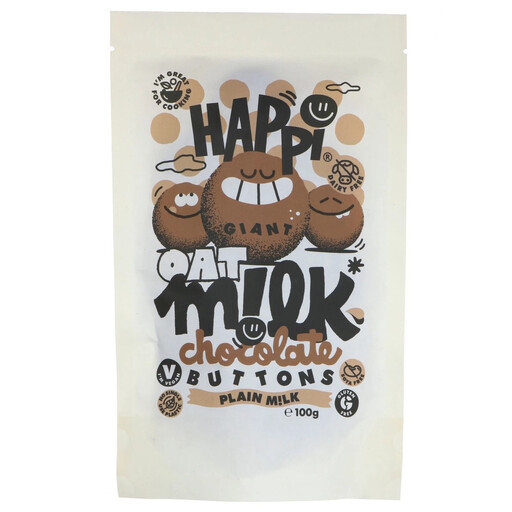
Why This Fits Their Persona: For those seeking high-quality **dairy-free snacks** that don't compromise on flavour. This **oat milk chocolate UK** brand offers a creamy, indulgent experience suitable for vegans and those with multiple dietary restrictions.
It avoids the pitfall of disappointing "free-from" alternatives. By using single-origin Colombian cacao and oat milk, it achieves a genuinely creamy and rich chocolate flavour, proving dairy-free can be delicious.
Ethically sourced, slavery-free cacao and packaged in recyclable materials. Free from dairy, gluten and soya, making it accessible for various dietary needs.
We have compiled a complete, real-time list of products that fully satisfy these strict selection criteria and UK safety regulations.
Yes, but preparation is key to avoiding clumps. For the smoothest result, mix the soy milk powder or coconut powder with a small amount of hot (not boiling) water in your mug to form a paste. Once smooth, slowly stir in the rest of the hot water or your tea and coffee. This ensures it dissolves fully for a creamy drink.
For liquid UHT cartons, they must be refrigerated after opening and are typically good for 3-5 days. This is where powdered long-life milk alternatives have an advantage. When stored correctly in a cool, dry place in an airtight container, they can remain fresh for several months after opening, which helps reduce food waste and is more economical. Always refer to the packaging for specific guidance.
Yes, they are quite different. Coconut milk for cooking, whether from a tin or made from powder, has a much higher fat content and a thicker consistency. This richness is essential for creating creamy curries, soups and sauces. Coconut milk beverages sold in cartons are more diluted with water, have a lower fat content, and are formulated for drinking, pouring on cereal or adding to smoothies. Using a drinking milk for cooking will likely result in a thin, less flavourful dish.