
24/7 Customer Support

Free returns

Same-day & Next-day Delivery

Quality Guaranteed

Unlock Your Welcome Offers: FREE Delivery | Up to 80% OFF | Free 30-day JoyPlus trial
Download the APP
Choosing plant-based milk alternatives can seem straightforward until you compare sugar levels, allergens, pack sizes and intended uses. A carton labelled “no added sugar” may still contain naturally occurring sugars, while a product marketed as a milk alternative may actually be designed mainly for cooking.
For UK households, the right choice depends on whether you need soy milk for protein, oat milk for coffee, almond milk for a lighter drink or coconut milk for recipes. The following guide highlights common buying traps and the practical details worth checking before placing an order.
“No added sugar” means that sugar has not been added during production; it does not always mean the drink contains no sugar. Oat drinks, for example, can contain naturally occurring sugars from oats. Check the “of which sugars” figure per 100ml rather than relying only on front-of-pack wording.
Some products use sweeteners or syrups, while others have a naturally sweeter taste from the base ingredient. If you are comparing low-sugar soy milk or unsweetened plant-based drinks, review both the ingredients list and nutrition table.
Soy, oat, almond and coconut drinks have different compositions. A soy drink may provide more protein than an almond drink, while coconut milk in a tin is usually a rich cooking ingredient rather than a direct replacement for a glass of dairy-free milk.
Fortification also varies. If calcium, iodine or vitamins are important to your shopping decision, look for these nutrients on the label instead of assuming they are included.
Long-life plant milk is convenient for cupboards, student accommodation and larger households, but opened cartons still need refrigeration and should be consumed within the stated period. Small ready-to-drink cartons are useful for packed lunches and commuting, whereas tinned coconut milk is intended for recipes and generally needs transferring to a suitable container after opening.
Check whether the main ingredient is soybeans, oats, almonds or coconut. UK labels should identify relevant allergens, commonly in bold type within the ingredients list. Soybeans, oats containing gluten, almonds and milk ingredients all matter when choosing vegan milk alternatives or accommodating food sensitivities.
Not every product described as a soy drink is dairy-free. Some products in the wider market can contain milk ingredients, so read the full ingredients list every time. Products labelled as suitable for vegans should still be checked against the current packaging before consumption.
Comparing values per 100ml creates a more useful comparison between cartons and bottles. Focus on:
Nutrition figures can differ between flavours and pack sizes, so use the values printed on the specific product listing or carton.
Long-life plant milk can be stored unopened in a cool, dry cupboard. Once opened, refrigerate it and follow the manufacturer’s consumption guidance. Many 1-litre products state a period of around five to seven days, while small cartons may advise consuming within 24 hours after opening.
For cooking, check whether the product is a drink or a concentrated ingredient. Coconut milk in a 400ml tin has a much higher fat content than a light almond drink and is more suitable for curries, soups, sauces and desserts.
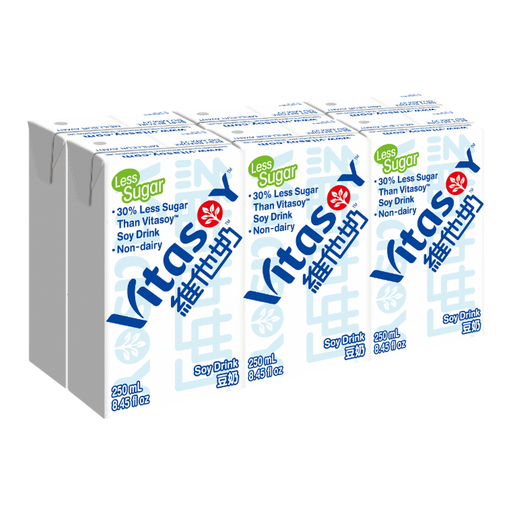
Why This Fits Their Persona: Six individual 250ml cartons suit breakfast, packed lunches and shared household use without opening a full litre at once.
The listing provides per-100ml nutrition information, helping shoppers compare its reduced added sugar positioning with other soy drinks.
Ready-to-drink format; listed at 7g protein per 100ml. Contains soy, so check the allergen information.
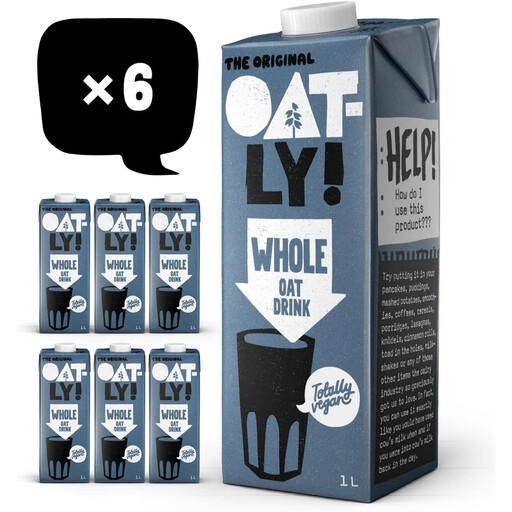
Why This Fits Their Persona: A six-pack of 1-litre cartons is suited to households wanting a fuller oat drink for cereal, baking, sauces and hot drinks.
Its nutrition panel states 3.4g sugars and 3.0g fat per 100ml, making the richer profile visible rather than leaving it to packaging impressions.
Contains calcium, iodine, vitamin D2, riboflavin and B12; suitable for use in cooking and drinks. Contains oats.
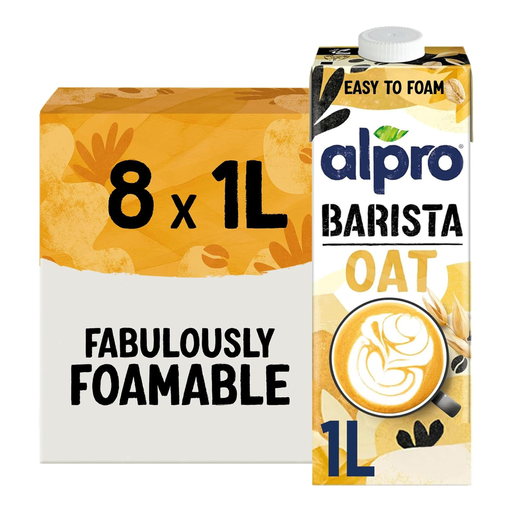
Why This Fits Their Persona: Designed for frequent coffee drinkers who want a long-life carton for heating and frothing at home.
The product is specifically identified as a barista oat drink, so it is less likely to be confused with a standard breakfast-only oat milk.
Suitable for heating and frothing; listed with no added sugars and 43 kcal per 100ml. Contains oats.

Why This Fits Their Persona: A cupboard-friendly option for shoppers who prefer a lighter almond flavour in cereal, smoothies or everyday drinks.
The listing specifies 0.0g sugars per 100ml and identifies almond as the allergen, giving shoppers clear comparison points.
Listed at 20 kcal per 100ml; fortified with calcium and vitamins B2, B12 and D2. Contains almonds.
We have compiled a complete, real-time list of products that fully satisfy these strict selection criteria and UK safety regulations.
A dedicated barista oat milk is designed for heating and frothing, making it a practical option for lattes and cappuccinos. Standard oat, soy or almond drinks may also work in coffee, but texture and separation can vary. Heat gently, shake the carton first and follow the product instructions.
Unopened cartons can usually be stored in a cool, dry cupboard until the best-before date shown on the packaging. After opening, refrigerate them and follow the stated guidance, commonly around five to seven days. Small ready-to-drink cartons may have shorter instructions, so check each label.
Many soy, oat and almond drinks are labelled suitable for vegans, but not every plant-based drink is dairy-free. Some soy beverages contain milk ingredients, and coconut cooking products can include additional stabilisers or emulsifiers. Always read the ingredients and allergen statement before buying, particularly for children or anyone with an allergy.