
24/7 Customer Support

Free returns

Same-day & Next-day Delivery

Quality Guaranteed

Unlock Your Welcome Offers: FREE Delivery | Up to 80% OFF | Free 30-day JoyPlus trial
Download the APP
The world of plant-based milk has expanded far beyond a simple carton of soya milk. From oat and almond to coconut and rice, the choices are vast. But with this variety comes confusion. Many products make bold claims, and it's easy to pick one that disappoints in your morning coffee or adds unwanted ingredients to your diet.
As a Joybuy Product Recommendation Officer, my role is to help you navigate this crowded market. We'll look past the marketing and focus on what truly matters, helping you find the right dairy-free milk for your needs without the guesswork. Let's start by examining a few common pitfalls.
To avoid these traps, focus on a few core parameters. Understanding these will empower you to select a product that performs exactly as you need it to.
The foundation of any good plant-based milk is its primary ingredient, but the additives determine its texture, taste and performance.
Different milks are formulated for different jobs. Matching the milk to the task is the key to success.
Consider how you'll store and use your vegan milk.
Instead of a generic list, we've matched specific products to the people who will get the most out of them.
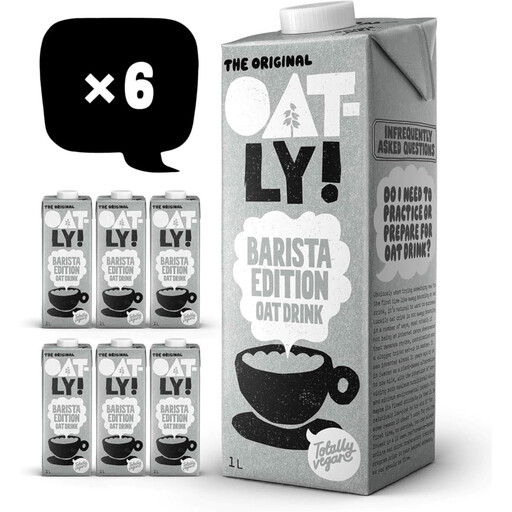
Why This Fits Their Persona: For anyone in the UK serious about their morning flat white or cappuccino, this is a go-to. It's specifically formulated to perform under heat and pressure, delivering a consistently creamy texture that complements coffee rather than overpowering it.
This product directly counters the "Barista Mirage." Its formulation, including rapeseed oil and a dipotassium phosphate acidity regulator, is designed for stability and creating velvety microfoam, ensuring it won't split in your coffee.
Reliable frothing and steaming performance. Its mild oat flavour is balanced, making it a versatile partner for various coffee roasts.

Why This Fits Their Persona: This is for the shopper who meticulously reads labels. With no sugars, a low saturated fat content and a good source of plant protein, it's a straightforward, nutritious dairy-free milk UK consumers can rely on for daily use.
It completely avoids the "Healthy Halo" trap by being exactly what it claims: a soya drink with no sugars. The nutritional information is clear and transparent, with 0g of sugar per 100ml.
High in protein (3.3g per 100ml) and fortified with Calcium, B2, B12 and D. Its neutral flavour makes it versatile for smoothies, cereal and savoury cooking.
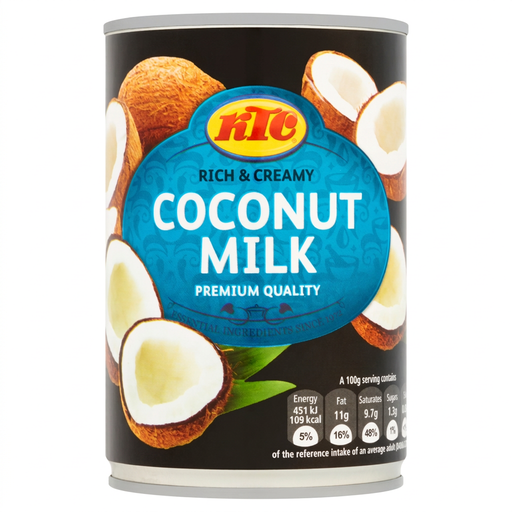
Why This Fits Their Persona: This is a pantry staple for anyone who loves cooking authentic world cuisines. It's not a drinking milk, but a dedicated cooking ingredient designed to add richness and depth to Thai green curries, Caribbean stews or creamy desserts.
This product solves the "One-Size-Fits-All" problem by being specialised. It doesn't try to be a coffee whitener or a cereal milk; it excels at its primary purpose of being a rich, creamy base for cooking.
A high coconut extract percentage (54.55%) ensures a rich, authentic flavour and creamy consistency that is essential for many recipes. It's a simple, effective and versatile cooking ingredient.
We have compiled a complete, real-time list of products that fully satisfy these strict selection criteria and UK safety regulations.
While you can add any plant milk to coffee, not all are suitable for creating café-style drinks. Standard plant milks, especially those low in fat and protein, can split or curdle when they hit hot, acidic coffee. For best results, choose a product specifically labelled as a barista milk alternative, as these are formulated to remain stable and create foam.
The difference lies in added sugars. Unsweetened varieties contain only the sugars naturally present in the base ingredient (like oats), which is often very low or zero. Sweetened versions have sugar, agave or other sweeteners added to enhance the flavour. If you are managing your sugar intake or prefer a more neutral taste for cooking, always opt for unsweetened.
UHT or long life milk is shelf-stable for months before being opened. However, once the seal is broken, it must be kept in the fridge. Most manufacturers recommend consuming it within 5 to 7 days to ensure freshness and quality. Always check the packaging for specific storage instructions.