
24/7 Customer Support

Free returns

Same-day & Next-day Delivery

Quality Guaranteed

Unlock Your Welcome Offers: FREE Delivery | Up to 80% OFF | Free 30-day JoyPlus trial
Download the APP
The world of plant based milk has expanded far beyond the lone carton of soy milk in the supermarket corner. Today, shelves are brimming with options from oat and almond to coconut and rice, each promising a delicious and wholesome dairy free milk experience. But with so much choice comes confusion. Many find themselves disappointed with a purchase that doesn't live up to its claims.
As a Joybuy Product Recommendation Officer, my role is to help you navigate this crowded market. We will look past the marketing buzz and focus on what truly matters, helping you avoid common pitfalls and find a product that suits your needs, whether it's for your morning cereal, a creamy latte or a rich curry.
Before we dive into the options, let's highlight two frequent issues that lead to buyer's remorse:
To make an informed choice, focus on these three practical details on the packaging.
The front of the pack might say "lightly sweetened," but the nutritional table tells the real story. Always check the "Carbohydrates, of which sugars" line. A no sugar milk alternative will list 0g of sugars. Others, like those using malt or fruit extracts, contain naturally occurring sugars. Being aware of this figure helps you control your sugar intake and choose a product that aligns with your health goals.
The primary ingredient in any plant based milk is water, but the percentage of the core component—be it oats, almonds or soybeans—is what determines the flavour, creaminess and nutritional profile. This can range from as little as 2% for some almond milks to over 10% for quality oat milk or soy milk. A higher percentage generally indicates a richer, more flavourful product.
Have you ever wondered why a barista oat milk performs so well in coffee? The secret lies in its formulation. Ingredients like dipotassium phosphate (an acidity regulator) and gellan gum (a stabiliser) are often added. These are not harmful additives; they are functional ingredients that prevent the milk from splitting in hot, acidic environments and help create a stable, velvety microfoam for lattes. If your primary use is for hot drinks, looking for a barista-specific edition is a wise move.
To help you get started, here are a few recommendations from our catalogue, matched to different needs and lifestyles.

Why This Fits Their Persona: This is an excellent choice for anyone actively managing their sugar intake or seeking a clean-tasting, versatile milk alternative. Its neutral flavour makes it suitable for cereals, protein shakes and savoury cooking without adding unwanted sweetness.
It directly counters the "hidden sugar" pitfall by containing 0g of sugar per 100ml. You get the pure taste of soya without any added sweeteners.
High in plant protein (3.3g per 100ml) and fortified with calcium and vitamins B2, B12 and D. The long life milk multi-pack is convenient for stocking up.

Why This Fits Their Persona: For anyone who takes their coffee seriously, this is the go-to choice. It is specifically formulated to perform under heat and pressure, allowing you to create silky smooth lattes and cappuccinos without disappointment.
It is engineered to solve the "coffee curdling" problem. The inclusion of an acidity regulator ensures it blends seamlessly with hot coffee, creating a consistently creamy result.
Excellent frothing capability for latte art. Its flavour is rich but neutral enough not to overpower the taste of your coffee beans. Fortified with vitamins and minerals.

Why This Fits Their Persona: This is a fantastic pantry-filler for families and individuals on the go. The 250ml cartons are perfectly portioned for lunchboxes, post-workout refreshment or a quick breakfast drink, offering ultimate convenience.
As a ready-to-drink beverage with a classic, reliable flavour, it's not trying to be a complex coffee ingredient. It delivers exactly what it promises: a smooth, refreshing soy drink.
The multi-pack format is economical and ensures you always have a drink on hand. The smooth, creamy taste with a hint of malt is a popular choice for all ages.
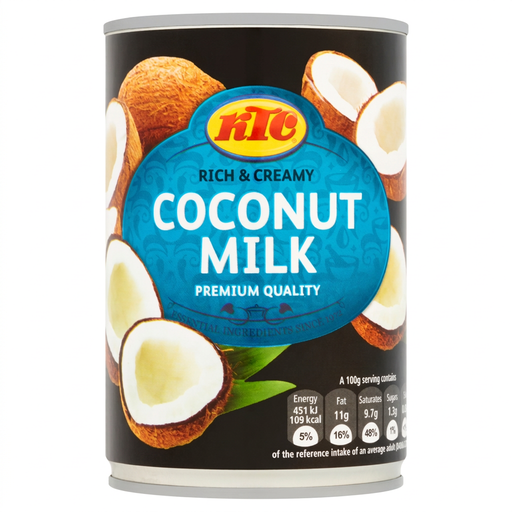
Why This Fits Their Persona: This is not a drinking milk, but an essential cooking ingredient. It's perfect for home cooks looking to create authentic Asian, Caribbean and other world cuisines, providing the rich, creamy base for curries, soups and desserts.
Its purpose is clear: it's a culinary ingredient. This avoids the trap of being misused as a drinking milk, where its thick consistency would be unsuitable.
A high coconut extract percentage (54.55%) ensures a rich and authentic flavour. It's a versatile and indispensable pantry staple for any adventurous cook.
We have compiled a complete, real-time list of products that fully satisfy these strict selection criteria and UK safety regulations.
This common issue, known as curdling, happens when the proteins in the plant based milk clump together due to a change in temperature and acidity. Coffee is more acidic than milk, and the sudden heat causes the separation. To avoid this, you can either let your coffee cool slightly before adding the milk, warm the milk gently first or choose a barista oat milk specifically formulated with acidity regulators to prevent this.
Long life milk, also known as UHT (Ultra High Temperature) milk, is heat-treated to a higher temperature, which allows it to be stored in the pantry for many months before opening. Fresh plant milk is pasteurised at a lower temperature and must be kept refrigerated. Once opened, both types typically need to be refrigerated and consumed within 5-7 days, but always check the packaging for specific instructions.
While most plant milks can be used in cooking, their properties differ. Soy milk is a good all-rounder with a high protein content. Oat milk adds creaminess to sauces and soups. Almond milk has a lighter texture and nutty flavour, which works well in baking. For rich and creamy dishes like curries, a canned coconut milk is often the most suitable choice due to its high fat content and thick consistency.