
24/7 Customer Support

Free returns

Same-day & Next-day Delivery

Quality Guaranteed

Unlock Your Welcome Offers: FREE Delivery | Up to 80% OFF | Free 30-day JoyPlus trial
Download the APP
Choosing between oat milk, soya milk, almond milk and coconut milk can seem straightforward until you compare ingredients, serving sizes, storage instructions and intended use. A carton labelled “plant-based” may not suit every vegan, allergy-conscious or lactose-free household, while a large multipack may offer poor value if it expires before you use it.
This guide explains the practical checks that matter when choosing plant-based milk alternatives, followed by recommendations matched to different shopping needs.
Some coconut beverages and soya drinks contain milk-derived ingredients. For example, Vamino Soymilk Regular includes whole milk powder, and Coconut Palm Coconut Milk lists sodium caseinate from milk. These products are not suitable for a vegan or dairy-free diet, even though their main flavour comes from a plant ingredient.
Always check the allergen statement rather than relying on the front-of-pack wording. Look for highlighted allergens including milk, soya, oats, almonds and coconut.
A sweetened coconut beverage is designed for drinking, whereas tinned coconut milk is generally intended for curries, soups, sauces and desserts. They differ considerably in fat, sugar and coconut content.
For example, Tropical Sun Coconut Milk 100% Natural contains coconut extract and water, while some ready-to-drink coconut beverages contain sugar and emulsifiers. Choosing the wrong type can alter the flavour and texture of a recipe.
Long-life plant milk is convenient before opening, but it still needs refrigeration after opening. Depending on the product, the recommended period may be two, five or seven days. A multipack of 6 x 1L or 8 x 1L works well for regular users, but smaller bottles or cans may reduce waste for occasional drinkers.
Check the best-before date, storage temperature and “consume within” instruction before buying in bulk.
The first check is whether the product fits your diet. Oat milk may contain gluten or be unsuitable for people avoiding oats. Soya drinks are not appropriate for those with a soya allergy, while almond drinks contain tree nuts.
For a vegan or dairy-free choice, check that the full ingredient list contains no milk, milk powder, caseinates or other dairy ingredients. A product described as lactose-free milk may still contain milk proteins, so lactose intolerance and milk allergy are not the same thing.
Compare the nutrition panel per 100ml rather than comparing serving claims. Unsweetened options can be useful for coffee, cereal and smoothies when you want more control over sweetness.
Alpro Oat No Sugars Long Life Drink lists 0.0g sugars per 100ml, while its almond equivalent also lists 0.0g sugars. By comparison, Oatly Oat Drink Whole lists 3.4g sugars per 100ml. These figures are product-specific, so check the packaging for the latest information.
Fortification also varies. Some oat and almond drinks provide calcium, vitamin D, vitamin B12, riboflavin or iodine. Treat these as nutritional features rather than assuming every plant-based drink has the same profile.
A standard oat drink may work well over cereal, but a barista oat drink is formulated for heating and foaming. Barista versions usually have a creamier mouthfeel and are more suitable for flat whites, cappuccinos and latte art.
For cooking, consider coconut extract percentage and fat content. Tinned coconut milk with a higher coconut concentration is generally more appropriate for rich curries and sauces than a sweetened coconut drink.

Why This Fits Their Persona: A single 300ml bottle suits shoppers who want to try soya milk without committing to a large multipack. It can be served chilled, used at breakfast or added to cooking.
The 300ml format helps limit waste, but buyers must note that it contains milk and is therefore not vegan or dairy-free.
300ml glass bottle; approximately 2.8g protein per 100ml. Serve chilled and consume immediately after opening.
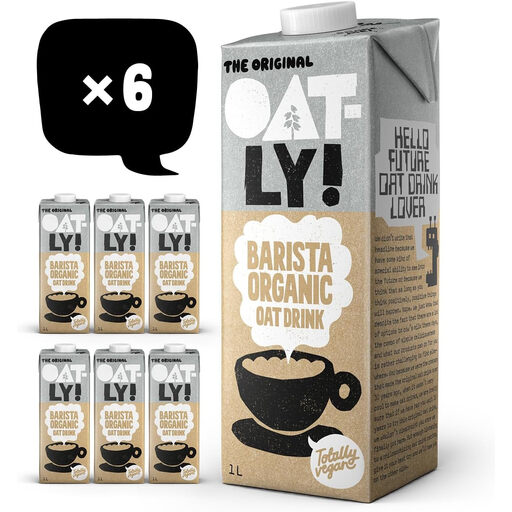
Why This Fits Their Persona: Suitable for shoppers seeking an organic oat drink for coffee, baking and cooking, with six 1-litre cartons for regular household use.
It is clearly positioned as an organic barista drink, while the ingredients identify oats, rapeseed oil, salt and an acidity regulator.
Organic oat base; 59kcal and 3.2g fat per 100ml. Suitable for coffee, tea, hot chocolate, baking and cooking.

Why This Fits Their Persona: Designed for frequent coffee drinkers, home baristas and larger households needing a long-life supply for frothing, pouring and everyday use.
The product is specifically identified as a barista oat drink and states no added sugars, helping distinguish it from standard sweetened varieties.
Eight 1-litre cartons; 43kcal and 3.0g sugars per 100ml. Refrigerate after opening and use within five days.
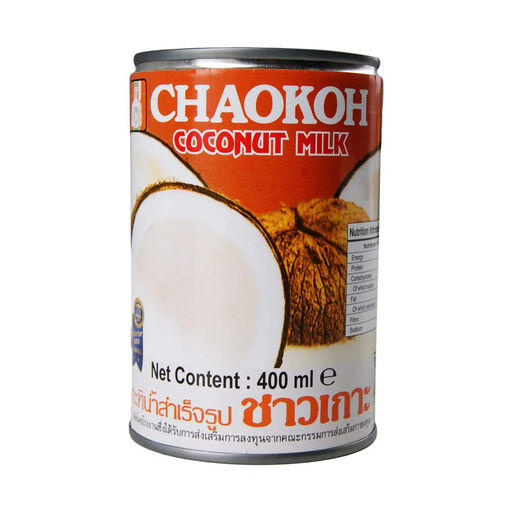
Why This Fits Their Persona: A practical pantry ingredient for Thai, Indian, Caribbean and other recipes requiring coconut milk for cooking.
It is a tinned cooking ingredient rather than a sweetened coconut beverage, with coconut extract listed at 53%.
400ml can; suitable for beverages, cooking and baking. Refrigerate after opening and consume within two days.
We have compiled a complete, real-time list of products that fully satisfy these strict selection criteria and UK safety regulations.
Many are naturally dairy-free and lactose-free, including suitable oat, almond and soya drinks. However, check the allergen declaration because some soya or coconut beverages can contain milk ingredients. You can browse the wider lactose free range for more options, while still checking each product label.
A barista oat drink is a practical choice for steamed coffee because it is formulated for foaming. Shake the carton, heat it separately and avoid boiling. Almond and coconut options can add a more noticeable flavour, so the choice depends on the coffee and taste preference.
The unopened shelf life is printed on the carton. Once opened, keep it refrigerated and follow the product instruction. Some options specify five days, while certain oat drinks specify up to seven days. Do not rely on the long-life label after opening, and discard the drink if its smell, appearance or texture changes.