
24/7 Customer Support

Free returns

Same-day & Next-day Delivery

Quality Guaranteed

Unlock Your Welcome Offers: FREE Delivery | Up to 80% OFF | Free 30-day JoyPlus trial
Download the APP
The world of plant-based milk has expanded far beyond a simple carton of soy. From creamy oat milk for your morning latte to rich coconut milk for curries, the choices are vast. But with so many options, it's easy to fall into common traps, buying products that don't live up to their promises. As a Joybuy Product Recommendation Officer, my role is to help you navigate the shelves and find the right dairy-free drink for your needs, without the marketing jargon.
Before you add another carton to your basket, let's look at the pitfalls that many UK shoppers encounter.
To avoid these issues, a quick check of the label is essential. Here are the three most important factors to look for when choosing a plant-based milk.
This is the most reliable indicator of quality and flavour. A higher percentage of the main ingredient—be it oats, almonds or soy—generally means a richer, creamier and more flavourful product. You'll find this in the ingredients list, often shown as Oat (10%) or Almond (2.5%). A higher number usually justifies a higher price point.
Additives aren't always a bad thing; in plant-based milk, they often serve a crucial purpose.
Understanding the sugar terminology is key for making a health-conscious choice.
Instead of a one-size-fits-all approach, we've matched some popular options to different lifestyles and needs.

Why This Fits Their Persona: For those who take their morning coffee seriously, this oat milk is designed to perform. It steams and froths reliably, creating a velvety microfoam for lattes and cappuccinos. The long-life multi-pack is perfect for stocking the pantry and ensuring you never run out.
It sidesteps the "Barista Disappointment" by including an acidity regulator (dipotassium phosphate) that prevents splitting in hot drinks, delivering on its promise of a coffee-shop-quality experience at home.
Excellent foaming capability and a neutral oat flavour that complements coffee rather than overpowering it. Fortified with vitamins D2, B2, B12 and calcium.

Why This Fits Their Persona: This almond milk is ideal for anyone prioritising health and minimal ingredients. It's a versatile dairy-free milk for cereals, smoothies, or tea and coffee, with the added benefit of being fortified with essential vitamins.
It directly counters the "Hidden Sugar Trap" by containing absolutely no sugars or sweeteners. The label is transparent, allowing you to make an informed choice without worrying about unwanted additives.
Zero sugar content and naturally low in fat. It's also a source of calcium and vitamins B2, B12 and D, making it a nutritionally sound lactose-free drink.
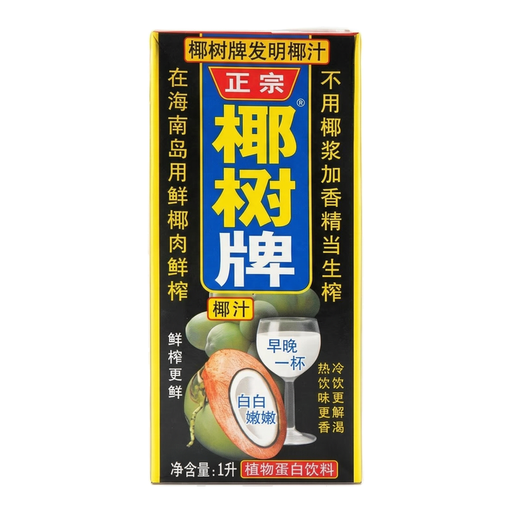
Why This Fits Their Persona: This is not your typical Western-style coconut milk for coffee. It's a classic, authentic Chinese beverage made from fresh coconut meat juice. It's designed to be enjoyed as a refreshing drink on its own, chilled or used in desserts, offering a different taste experience.
It avoids the "Flavourless Water" trap by being a beverage with a distinct, rich and authentic coconut flavour profile. It isn't trying to imitate dairy milk; it's a traditional drink with a specific taste and texture.
Made from pressed fresh coconut meat for a mellow, smooth taste. It contains no preservatives and comes in a large 1L format, ideal for sharing or using in recipes.
We have compiled a complete, real-time list of products that fully satisfy these strict selection criteria and UK safety regulations.
This is a common issue caused by a reaction between the acidity of the coffee and the proteins in the plant milk, often accelerated by a sharp temperature difference. To prevent this, choose a barista milk specifically formulated with an acidity regulator. You can also try letting your coffee cool for a minute before pouring in the milk or gently warming the milk first.
Long-life milk is treated with an Ultra-High Temperature (UHT) process that sterilises it, allowing it to be stored in your pantry for several months before opening. Fresh plant milk is found in the refrigerated section and has a much shorter shelf life. UHT options are very convenient for bulk buying and ensuring you always have a supply on hand.
The "better" choice depends entirely on your personal dietary needs and preferences. Plant-based milks are an excellent vegan milk option and are naturally lactose-free, making them suitable for those with allergies or intolerance. Many are also lower in saturated fat. However, dairy milk is a natural source of protein and calcium. If you are switching to a plant-based milk, look for varieties that are fortified with calcium and vitamins like D and B12 to ensure you're not missing out on key nutrients. Always check the label for added sugars.