Shared-desk plant-data classifiers
Repeatedly moving between observation images, labels and records makes click noise and predictable navigation worth considering when other people work nearby.


For repeated classification beside colleagues, start by looking for a quiet conventional mouse that fits your hand and lets you scroll through records comfortably. A compact multi-device model is worth considering if you change computers; a vertical mouse or trackball changes how you control the pointer and is worth considering when hand position or arm movement matters more than familiar controls.
Repeatedly moving between observation images, labels and records makes click noise and predictable navigation worth considering when other people work nearby.
Extended sorting or validation sessions make hand fit, mouse placement and the way you control the pointer more important than portability alone.
Moving between computers or desks makes connection compatibility and a shape you can carry relevant, provided the mouse can be used on each device.
For plant-observation classification at a shared desk, weigh repeated click noise and hand fit against the navigation and connection features your workflow actually needs.
| Concern | What to check | Who this matters to |
|---|---|---|
| Disturbing colleagues | Look for a quiet-click claim for the exact model, then consider whether its shape and connection suit your desk. | If I click through observations beside colleagues, I want those repeated clicks to be less distracting. Around 36% of consumers put low-disturbance clicking first. |
| Fit for long sessions | Compare hand-size and handedness guidance; consider mouse placement as well as shape. | When I review records for long stretches, I need a grip and desk setup that feel workable throughout the session. For around 29% of consumers, sustained-session fit is the primary concern. |
| Navigation control | Check scrolling behaviour and whether extra buttons work with your software and permitted setup. | I move between individual image details and longer record lists, so I care about how precisely I can navigate both. Controlled navigation comes first for around 21% of consumers. |
| Moving between devices | Confirm the supported connection methods and whether pairing or a USB receiver is permitted on each computer. | If I change desks or machines, I want to take one mouse with me without losing access to it. Around 14% of consumers prioritise portability and device switching. |
A slim shape may be convenient to carry but may not give your hand the fit you want during extended classification sessions.
If you usually stay at one desk, compare hand-size guidance and grip shape with a contoured mouse before prioritising portability.
A vertical design changes hand position, but mouse placement and the wider workstation still matter. A trackball also changes the control method.
Consider either shape as a fit decision, and review your workstation arrangement if discomfort persists. The Health and Safety Executive includes desk changes in its display-screen-work guidance.
Bluetooth pairing, configuration software or a USB receiver may be restricted on a managed computer.
Check workplace IT rules, available ports and Bluetooth access on the computers you will actually use.
A work-mouse listing can include conventional, trackball and vertical designs, which address different priorities at a shared desk.
Decide whether quiet clicking, fit or a different control method matters most, then check the exact model’s handedness, connection and click characteristics.
Its documented mouse lines include compact multi-device designs and conventional models with different hand-size options.
The Pro Click V2 Vertical represents a more specialised option for buyers considering a different hand position.
A brand to consider when comparing trackball control with a conventional mouse for desk work.
These conventional and vertical mice offer different ways to approach shared-desk classification. Compare each one against your hand fit, tolerance for click noise and permitted computer connection.
 No image available
Consider this conventional mouse if you want to assess a shaped grip for longer classification sessions. Check its fit for your hand and confirm that its connection and controls suit your computer and workflow.
 No image available
The quiet-click description makes this worth checking for repeated work beside colleagues. Its title specifies 2.4G+BT connections, adjustable DPI settings and a 1xAA battery; confirm which connection you can use and whether the shape fits your hand.
 No image available
Consider this quiet-click option if a USB receiver is permitted at your shared desk. The product title specifies 2.4GHz wireless, a USB receiver and 1600 DPI; check hand fit and scrolling behaviour for your record-review work.
 No image available
Consider this vertical design if you want to assess a different hand position during long sessions and can allow time to adjust. Its title specifies Bluetooth and 2.4GHz modes, six buttons and an adjustable sensor up to 1600 DPI; check handedness and click noise before using it beside colleagues.
 No image available
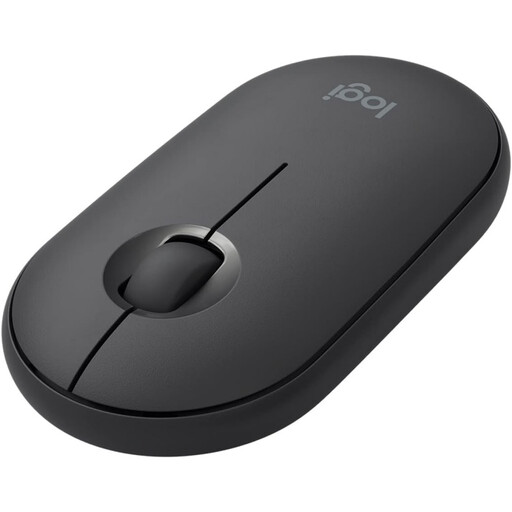
This is a compact option to consider when moving between desks matters. Confirm the connection method for this exact mouse before purchase, and check whether its low-profile shape suits longer classification sessions; do not assume it has the features of Pebble Mouse 2 M350s.
Not always, but quiet clicking is worth prioritising if you repeatedly classify observations beside colleagues. Check the exact model’s claim rather than assuming that any compact or wireless mouse has quiet clicks.
Consider one if its different hand position suits you and you are willing to adjust to its controls. Posturite describes the handshake-like position of vertical mice, but shape alone does not settle questions of fit or workstation setup.
Yes, if you regularly change desks for work, consider the mouse as part of each workstation setup. The UK Health and Safety Executive advises workers who change desks regularly to carry out a basic risk assessment; its guidance does not prescribe a particular mouse.
No; the connection must suit the exact computer and its workplace IT rules. Check Bluetooth access, available USB ports and operating-system compatibility before relying on device switching.
Check an electrical-waste collection or take-back option rather than assuming it belongs in general rubbish. GOV.UK’s August 2025 guidance describes UK arrangements intended to reduce electrical equipment sent to landfill or incineration; use your local collection guidance to find an available route.