Vegan grocery shoppers
If you exclude animal-derived foods, dairy whole milk is not an option. The Vegan Society’s definition of veganism includes avoiding dairy.


Whole milk does not meet a vegan shopping requirement: it is dairy, which The Vegan Society excludes from a vegan diet. Choose a plant-based drink instead, checking the exact product for ingredients and fortification; soya or pea may suit a protein-focused choice, while the drink’s intended use matters for coffee or cooking. Lactose-free whole milk remains dairy when it is made from milk.
If you exclude animal-derived foods, dairy whole milk is not an option. The Vegan Society’s definition of veganism includes avoiding dairy.
If you want a plant-based drink for cereal, hot drinks, porridge or cooking, compare the product’s ingredients, fortification and intended use rather than looking for the word “whole”.
If your purchase also needs to be vegan, check whether a lactose-free product is still made from dairy milk. Removing or reducing lactose does not change milk’s animal origin.
Start with vegan eligibility, then compare plant-based drinks for the nutrients and uses that matter to you.
| Priority | What to check | Your needs |
|---|---|---|
| Vegan eligibility | Read the ingredients for milk or other animal-derived ingredients. Check the exact plant-based product rather than relying on terms such as vegetarian, organic or lactose-free. | I need a drink that fits vegan shopping, not a dairy whole milk with a different processing label. |
| Fortification and protein | Compare the pack’s calcium, vitamin D, vitamin B12, iodine and protein information. The Vegan Society suggests considering soya or pea drinks when protein is a priority. | For a drink I use regularly, I want to know what the particular product provides rather than assuming all plant drinks are alike. |
| Intended use | Check whether the product is intended for hot drinks, cereal or cooking. The Vegan Society describes soya as versatile across drinks and savoury dishes, and oat drinks as an option for coffee. | Perhaps I need one drink for porridge and sauces; perhaps texture in coffee matters more. The use changes what I should compare. |
| Allergen information | Check ingredients and precautionary allergen statements on the exact pack. The Food Standards Agency warns that vegan labelling alone is not a substitute for allergen labelling. | If I am buying for someone with a food hypersensitivity, a vegan claim by itself does not answer the allergen question. |
Those descriptions do not remove dairy. Tesco, Cravendale and Waitrose whole-milk listings describe milk products even where vegetarian, organic or filtered wording appears.
For a vegan purchase, check the ingredient first; compare plant-based alternatives only after ruling out dairy milk.
Lactose-free whole milk made from milk is still an animal-derived product.
Read the ingredients list. If it lists milk, choose a different product for vegan shopping.
Plant-based drinks differ in protein and fortification. The Vegan Society points shoppers towards fortified alternatives and suggests soya or pea when protein is important.
Compare the exact pack’s protein, added sugar and listed fortification alongside how you intend to use the drink.
The Food Standards Agency warns that vegan labelling alone does not address possible allergen cross-contamination.
When buying for someone with a food hypersensitivity, check the exact product’s ingredients and precautionary allergen statement; seek professional advice where needed.
These whole-milk references help distinguish dairy products from plant-based alternatives; they are not a list of vegan drinks.
Waitrose & Partners describes its listed Cravendale whole milk as filtered dairy milk and labels it suitable for vegetarians.
Tesco lists milk as the ingredient in its Organic Free Range Whole Milk and labels that product suitable for vegetarians.
Waitrose & Partners lists dairy whole-milk products, including an organic Yeo Valley milk labelled suitable for vegetarians.
These oat and soya products offer different formats for vegan shopping, from drinks for cereal or coffee to a powder mixed with hot water. Check the exact pack for ingredients, allergen information and the features important to your use.
 No image available
An oat drink described for cereal, smoothies and hot drinks, and identified as suitable for vegans. Its product information lists added nutrients; check the exact pack’s sugar information, as the supplied marketing wording and nutrition table differ. Check allergen information if oats or cross-contamination matter to you.
 No image available
An oat-based drink described for steaming and frothing in coffee. Check the exact pack’s ingredients and allergen information if relevant. The supplied product information says it is not a complete milk substitute for infants or young children.
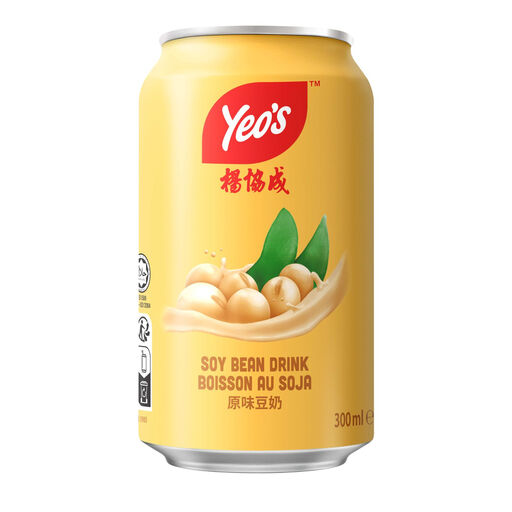 No image available
A ready-to-drink soya option described as suitable for vegans and for use with breakfast or cereal. Compare the pack’s sugar and fortification information if either affects your choice, and check its allergen statement if soya or cross-contamination is relevant.
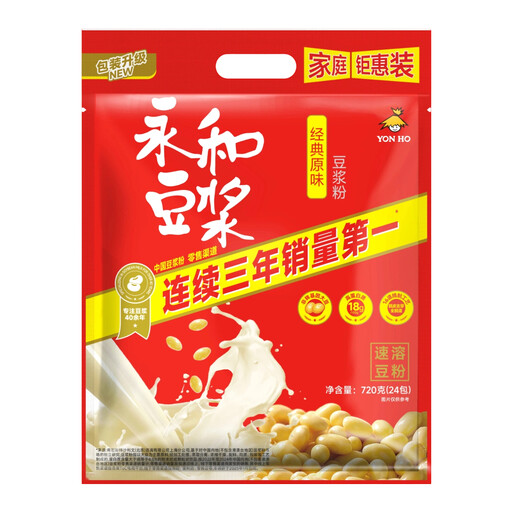 No image available
A soya powder for making a hot drink rather than a ready-to-drink carton. Check the exact pack’s ingredients and vegan suitability before buying. Any nutrition figures stated per 100g powder should not be read as figures for the prepared drink; check allergen information if soya is relevant.
No. Whole milk is dairy, and The Vegan Society’s definition of veganism excludes foods derived wholly or partly from animals, including dairy.
No, not when it is made from dairy milk. Check the ingredients: changing the lactose content does not change milk’s animal origin.
Start with a plant-based drink whose ingredients and intended use fit your needs, then compare fortification and protein on the exact pack. The Vegan Society suggests soya or pea when protein matters, describes soya as versatile for cooking and hot drinks, and points to oat drinks for coffee.
No. The Food Standards Agency warns that vegan labelling is not a substitute for allergen labelling because cross-contamination may be relevant. Check the exact product’s ingredients and precautionary allergen information.
Yes. Read the current pack for ingredients, fortification and allergen information before choosing a particular drink; Tesco advises shoppers to check product labels because formulations can change.