
24/7 Customer Support

Free returns

Same-day & Next-day Delivery

Quality Guaranteed

Unlock Your Welcome Offers: FREE Delivery | Up to 80% OFF | Free 30-day JoyPlus trial
Download the APP
Choosing plant pots and planters is not only about colour and shape. The wrong size, unsuitable material or missing drainage can leave you with damaged surfaces, unhealthy plants and an item that is difficult to move. UK homes and gardens also face changing weather, limited balcony space and varying light levels, so practical details matter as much as appearance.
A decorative pot may look suitable online but offer very little usable room inside. Shallow containers can restrict root growth, while a narrow opening may make repotting difficult. Check the internal planting depth, not just the external height and width.
A barrel planter, for example, generally offers a deeper planting area for shrubs, herbs, ornamental grasses and seasonal flowers. A small pot may be more appropriate for compact foliage or faux succulents.
Outdoor planters need to cope with rain, frost, sunlight and temperature changes. Real wood can warp or rot without treatment, while some cheaper finishes may fade or crack after prolonged exposure. Look for clearly stated materials and features such as UV stability, frost resistance and weather resistance.
Recycled plastic planters can provide a practical alternative to heavier stone or untreated timber. However, buyers should still check whether the product is intended for year-round outdoor use.
A large stone planter can be difficult to reposition once filled with compost. This is particularly important on balconies, roof terraces and rented properties where layouts may change. Lightweight garden planters are easier to move, but they should still be stable enough for their intended location.
For living plants, confirm whether there is a drainage hole or whether an inner pot is required. Without adequate drainage, excess water can collect around roots and damage flooring, decking or furniture.
For patios, entrances and exposed borders, recycled plastic is worth considering because it is generally easier to handle than solid stone and does not require the same maintenance as timber. An oakwood-effect finish can provide a rustic appearance without the routine treatment associated with real wood.
A stone-effect planter offers a neutral look that suits modern and traditional settings. Check the product description for its actual material rather than assuming that a stone appearance means the item is made from stone.
Use the planter’s dimensions to match the container with the plant:
Remember to allow space for compost, root growth and watering. If you are using a nursery pot inside a decorative container, measure the pot rather than relying only on the plant label.
Artificial plants and faux succulents require no watering or sunlight, making them suitable for offices, bathrooms, darker rooms and properties that are frequently empty. Their leaves may still collect dust, so a wipe-clean surface is useful.
A smart plant pot adds sensors and interactive functions but requires a power source or battery charging. The Ivy Gen 2 Smart Planter includes sensors for humidity, water level and light, with a stated 2,000mAh battery and 0.8W rated power. Keep electronic components away from spilled water and follow the supplied instructions.
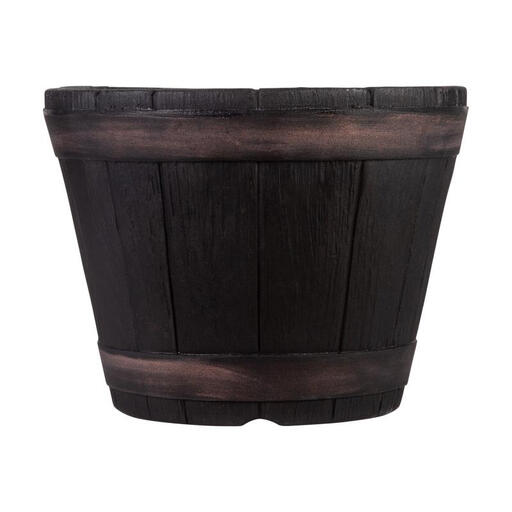
Why This Fits Their Persona: A manageable 34cm diameter suits a first patio display, entrance or decking arrangement without the visual bulk of a larger container.
Its recycled plastic construction avoids the routine treatment associated with real timber, while the stated weather-resistant and UV-stable finish addresses outdoor exposure.
Oakwood-effect styling; lightweight recycled plastic; deep barrel shape for flowers, herbs and shrubs.
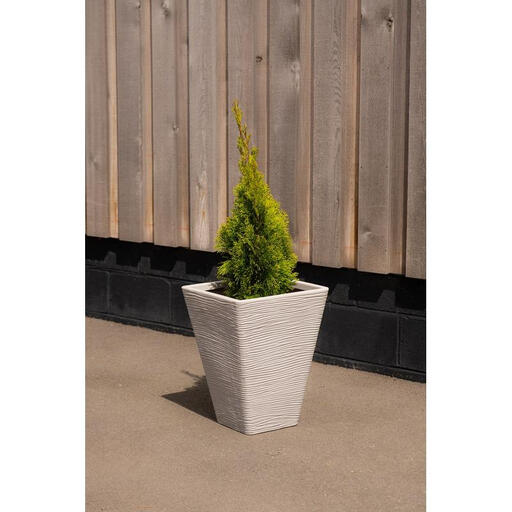
Why This Fits Their Persona: The 52cm height creates a structured focal point for a front entrance, patio corner, conservatory or layered planting arrangement.
The stone-effect appearance is paired with recycled plastic rather than a solid stone build, making repositioning more practical while retaining a neutral decorative finish.
40cm width and 52cm height; recycled plastic; stated resistance to weather, UV exposure, cracking and frost.
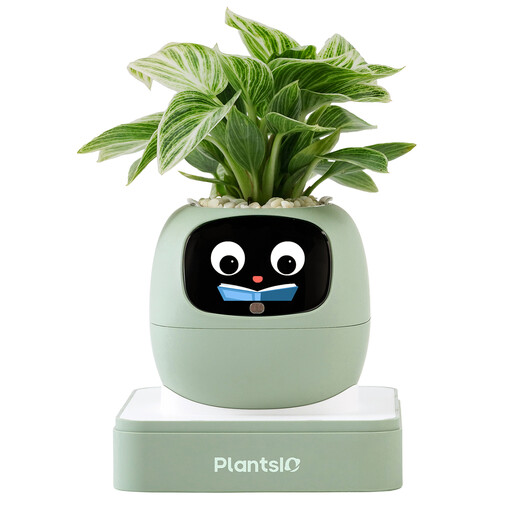
Why This Fits Their Persona: Suitable for busy professionals, office users or gift shoppers who want plant-care reminders and interactive home décor in a compact format.
It provides stated sensor functions for humidity, water level and light instead of relying only on vague automatic-care wording. It still needs correct setup and safe water handling.
80-plus stated expressions; 2,000mAh battery; compact 114 x 100 x 96mm main unit; one-year warranty stated in the listing.
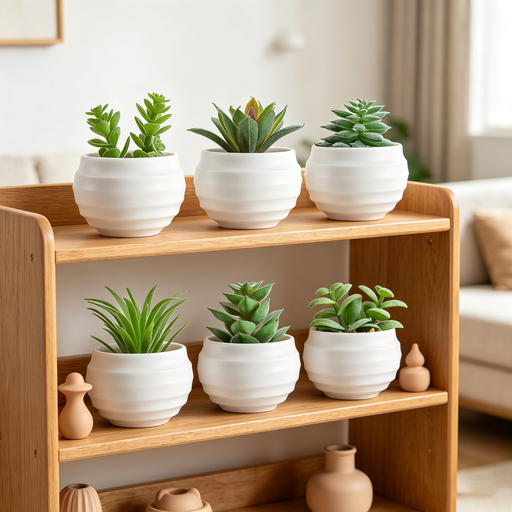
Why This Fits Their Persona: A practical choice for desks, shelves, bathrooms and darker rooms where living plants may receive insufficient light or regular watering.
There is no need to depend on claims about plant survival in poor conditions: these are artificial decorations and do not require watering or sunlight.
Six-piece set; compact 8cm pots; lightweight plastic construction; suitable for desks, shelves and indoor décor.
We have compiled a complete, real-time list of products that fully satisfy these strict selection criteria and UK safety regulations.
Living plants usually benefit from drainage, but the requirement depends on the container design and planting method. If a decorative pot has no hole, use a nursery pot inside it and empty collected water regularly. Check the surface beneath the planter to prevent staining or moisture damage.
Lifespan depends on exposure, construction and care. Products described as weather-resistant and UV-stable are intended to handle outdoor conditions, but positioning, cleaning and extreme weather can still affect appearance over time. Avoid dragging filled planters across paving, as this can stress the base.
Artificial plants do not require compost, watering, plant food or grow lights, so their ongoing care cost is limited to occasional cleaning. They do not provide the changing growth of living plants, but they can be useful for offices, rented homes, low-light rooms and busy households.