
24/7 Customer Support

Free returns

Same-day & Next-day Delivery

Quality Guaranteed

Unlock Your Welcome Offers: FREE Delivery | Up to 80% OFF | Free 30-day JoyPlus trial
Download the APP
Watching a small cutting from a beloved houseplant develop its own roots is one of the most rewarding aspects of indoor gardening. It’s a simple way to multiply your collection, share plants with friends or simply engage more deeply with the life cycle of your greenery. A dedicated plant propagation station not only makes this process easier but also turns it into a beautiful feature in your home.
However, with so many options available, choosing the right one can feel overwhelming. This guide is designed to help you understand what to look for in a propagation station, ensuring you find a functional and stylish piece that suits your needs and enhances your decor.
Before you decide, consider a few key factors that will help you select a station you’ll enjoy using for years to come.
The material of your station is important for both aesthetics and function. Glass is a popular choice because it allows you to watch the roots as they grow, which is not only fascinating but also helps you know exactly when the cutting is ready for soil. Look for a glass propagation vase made from high borosilicate glass, which is generally more durable and has higher clarity than standard glass. A clear vessel ensures you can easily monitor water levels and root health.
A plant propagation station is as much a decorative item as it is a gardening tool. Consider where you will place it. A compact desktop planter is perfect for a home office desk or a kitchen windowsill, bringing a touch of green to your daily environment. For a more eclectic look, a bud vase set with varied shapes and sizes can be arranged on a shelf to create a unique focal point. The design should complement your existing interior style, whether it's minimalist, rustic or biophilic.
Successful propagation starts with a healthy cutting. While the station itself is crucial for rooting, the tool you use to take the cutting is equally important. A clean, sharp cut minimises damage to the parent plant and gives the cutting the best chance of survival. For this reason, it’s worth considering a complete houseplant cuttings kit or investing in a pair of dedicated small pruning shears.
Here are a few items that stand out for their design, functionality and quality, helping you create the ideal setup for your plant propagation journey.
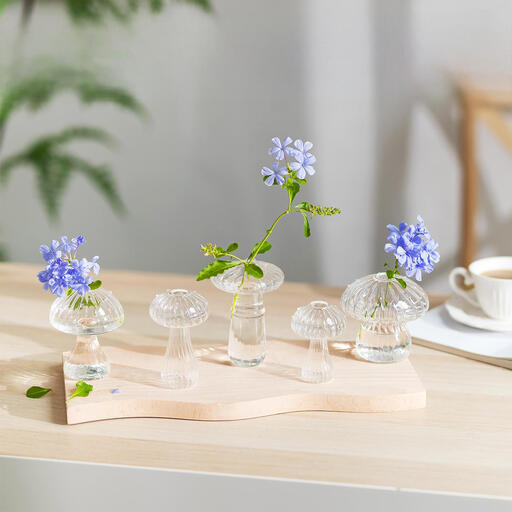
Why It Stands Out This set moves beyond the standard test-tube look, offering a collection of five assorted mushroom-shaped vases. Each piece is handmade from thicker, high borosilicate glass, giving it a substantial feel and high transparency. Its versatility is a key feature; it functions beautifully as a hydroponic planter for cuttings, a decorative bud vase for single stems or even a reed diffuser bottle. The wider base on each vase provides good stability, preventing accidental tips.
Pros
Who is it for? This set is ideal for the plant enthusiast who values unique design and a touch of cottagecore charm. It’s perfect for anyone looking to create an eye-catching display on a shelf or table while propagating their favourite plant cuttings.
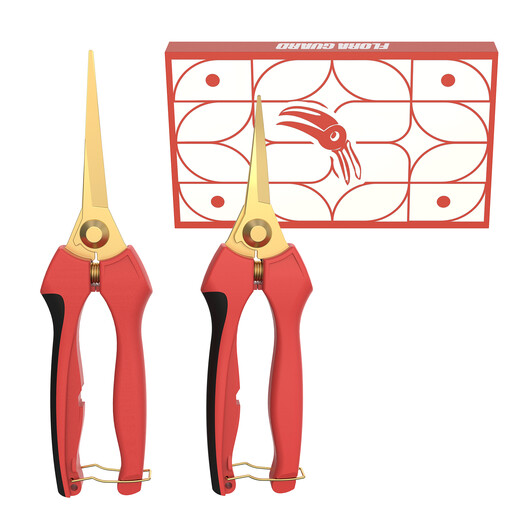
Why It Stands Out A clean cut is the first step to successful propagation. This set includes two types of shears to cover all your needs: a curved blade for delicate work and a straight blade for general trimming. The blades are crafted from stainless steel with a golden titanium coating for improved corrosion resistance and sharpness. The ergonomic handles are designed for comfort, reducing hand fatigue during larger pruning sessions.
Pros
Who is it for? This is an essential tool for any serious plant parent. If you want to ensure your cuttings are healthy from the very start, a dedicated pair of high-quality pruning snips is a worthwhile addition to your gardening toolkit.
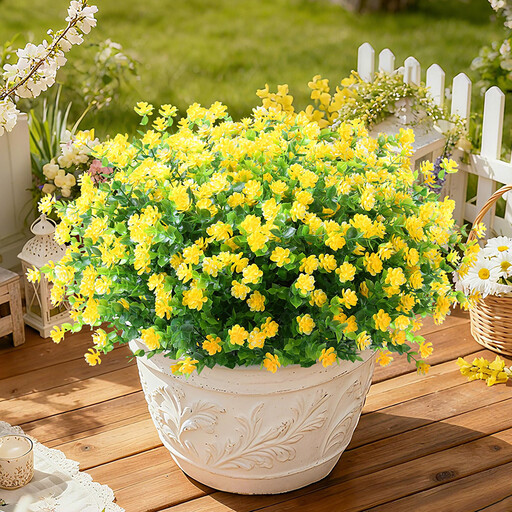
Why It Stands Out While you wait for your cuttings to root, you can still enjoy a pop of colour in your green space. This set of eight artificial flower bundles provides instant and lasting vibrancy. Made from durable, fade-resistant plastic, they require no maintenance and can be placed alongside your propagation station to create a fuller, more colourful display. The flexible stems and detachable petals allow for customisation to fit your arrangement.
Pros
Who is it for? This is for anyone who wants to complement their living plant display with guaranteed colour. It’s also a practical solution for adding a touch of nature to low-light areas where live plants might not flourish, ensuring your home feels green and vibrant everywhere.
Once your propagated plants are ready for a new home, or if you're looking for more ways to display fresh flowers, the right container is key. For gifting your new plant babies or creating larger arrangements, the right presentation makes all the difference.
Explore Our Collection of Bouquet Boxes for more inspiration.
For water propagation, use a clean, clear container like a glass propagation vase to easily monitor root growth. Take a healthy cutting just below a node (the point where a leaf grows) and remove any lower leaves that would sit below the waterline. Place the cutting in room-temperature water and change the water every 3-5 days to keep it fresh and oxygenated.
Many common houseplants are very easy to propagate in water. Some of the most forgiving options for beginners include Pothos (Devil's Ivy), Spider Plants, Tradescantia (Inch Plant) and certain varieties of Philodendron. These plants tend to root quickly and reliably.
The main advantage of a clear plant rooting station is that you can see the roots develop. Wait until the cutting has grown a healthy network of secondary roots (smaller roots growing from the main ones) that are at least one to two inches long. This indicates the plant is ready to absorb nutrients and moisture from the soil.